en.Wedoany.com Reported - An international research team led by the McKelvey School of Engineering at Washington University in St. Louis has developed a new technology that reduces the cost of converting carbon dioxide into high-value chemicals using renewable electricity by approximately 25%, while also improving catalyst durability.
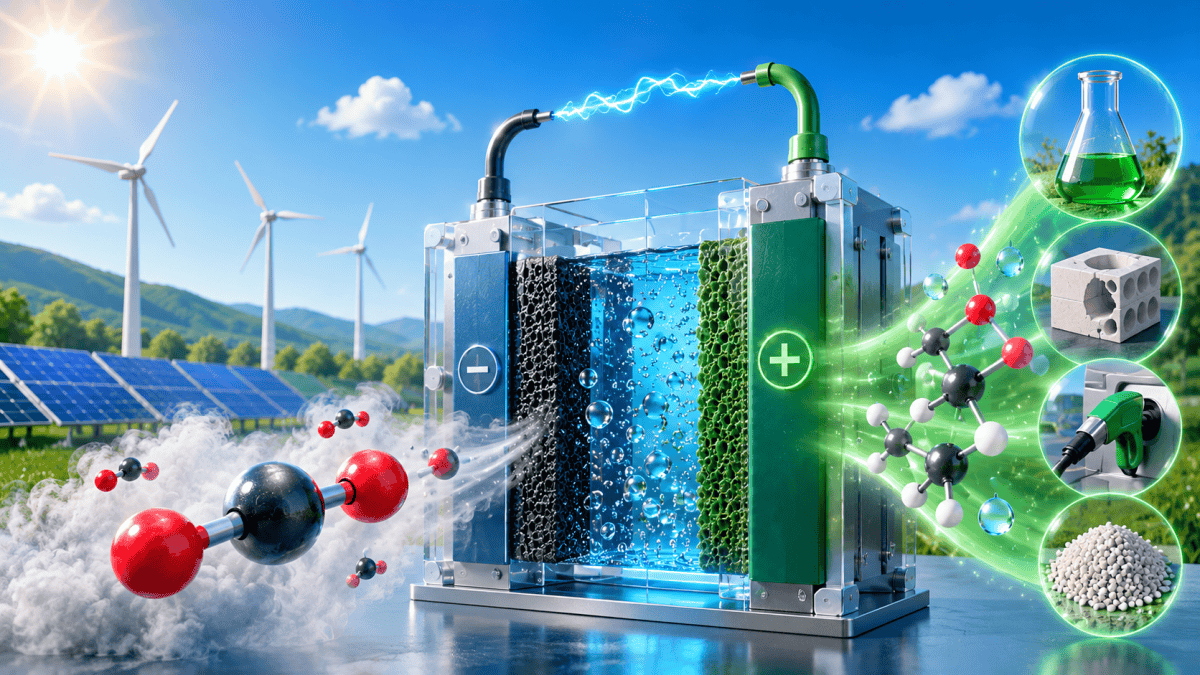
The technology prevents degradation of catalyst materials when power supply from renewable sources such as solar or hydropower is frequently interrupted, enabling the catalyst to operate continuously for up to 750 hours without loss of performance. This is particularly important for integrating carbon capture and utilization industrial processes with renewable energy-based power systems, where electricity generation itself is variable and intermittent.
Most of the experimental work was conducted in the laboratory of Feng Jiao, the Lauren and Lee Fixel Distinguished Professor in the Department of Energy, Environmental & Chemical Engineering at Washington University, led by former postdoctoral researcher Wanyu Deng and doctoral student Ahryeon Lee. The research goal was to find a more economical method to convert residual carbon dioxide into useful compounds such as acetate by adapting the operation of electrochemical systems to the availability of renewable electricity.
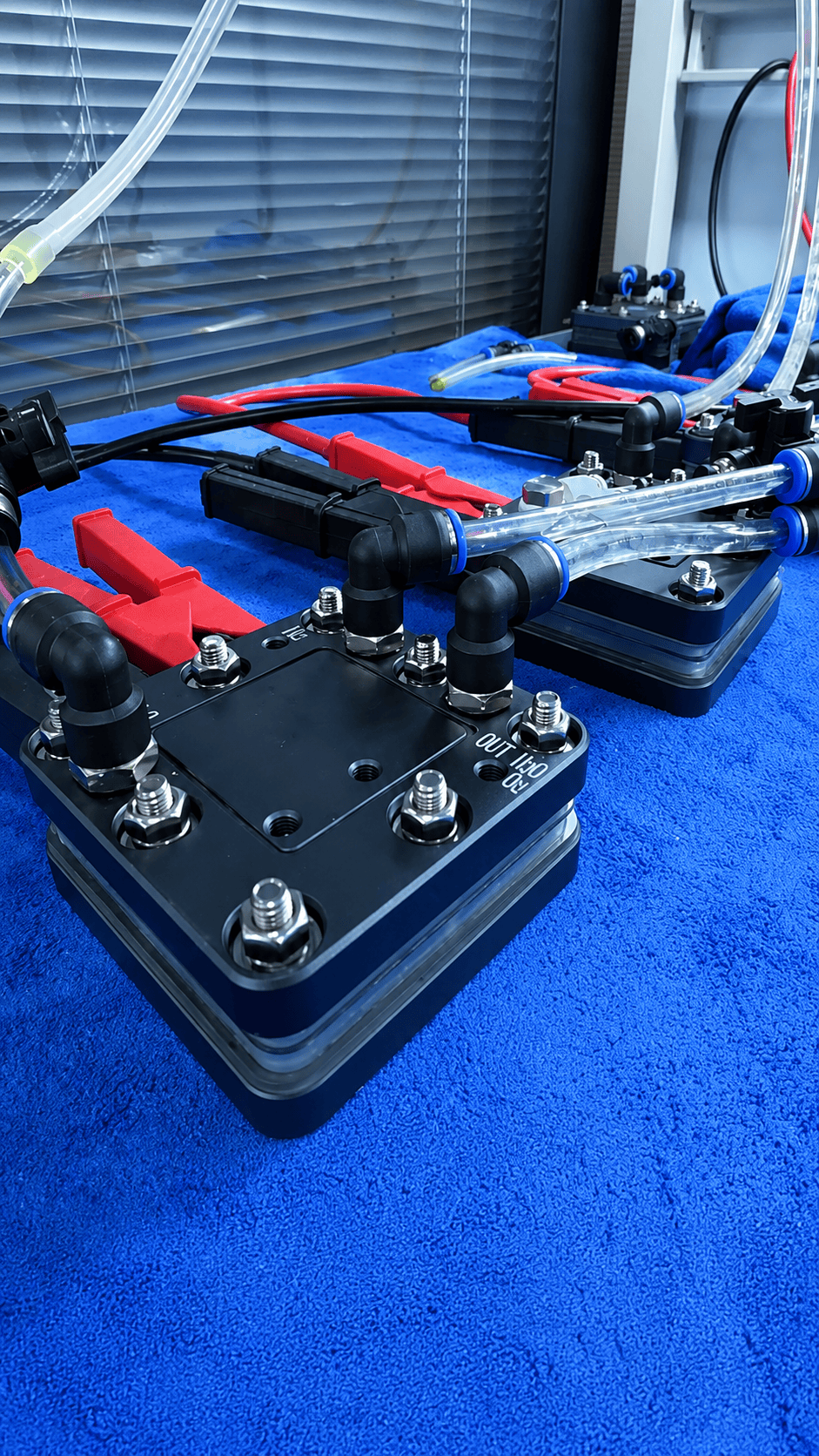
The researchers designed a system capable of increasing production when electricity prices are low and reducing or suspending production when energy costs rise. However, repeatedly fully shutting down the catalyst caused gradual degradation of its components, impairing long-term efficiency. Yifei Xu and Bingjun Xu from Peking University used in situ Raman spectroscopy analysis and found that repeated on-off cycles degraded the copper cathode. When carbon monoxide was present, copper carbonate accumulated on the surface; in the presence of argon, copper was oxidized to form copper oxide.
The solution was to replace full shutdown with a controlled hold strategy. The researchers maintained the copper cathode at a minimum operating level, below 1% of the normal current density. This tiny current was sufficient to prevent the formation of carbonate and the oxidation of copper, thereby preserving catalyst integrity during prolonged operation. William Andrew Goddard III from the California Institute of Technology collaborated to develop computational models for a more detailed understanding of the reaction mechanism and the formation processes of carbonate and hydroxide on the copper catalyst surface.
Feng Jiao stated that the next step will be to design more robust catalytic systems and develop strategies that can be easily integrated into industrial processes for carbon monoxide electrolysis. These advances are crucial for ensuring reliable operation under intermittent renewable electricity and will accelerate the deployment of sustainable technologies for converting carbon dioxide into industrially valuable chemicals.