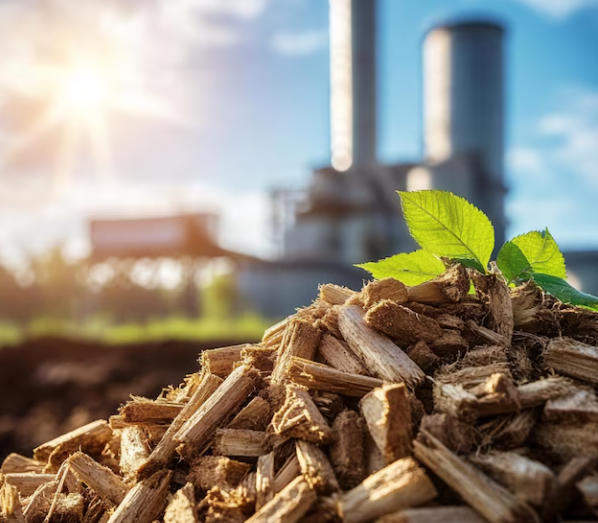
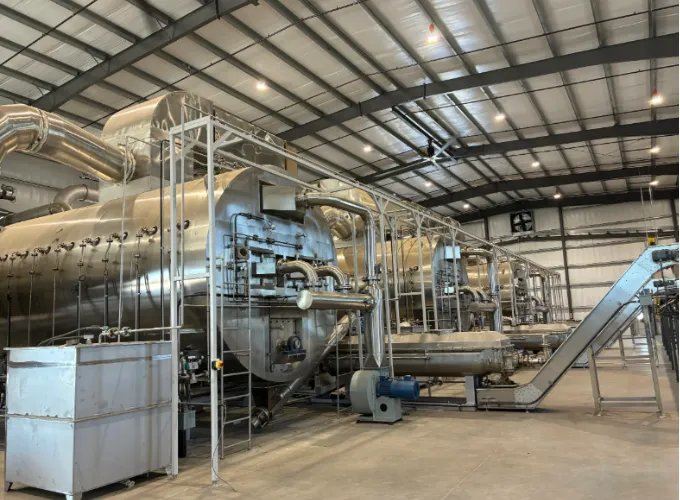
Brazilian sugar mills' bagasse cogeneration profit drops to 5.8 reais per ton of sugarcane
en.Wedoany.com Reported - Brazilian sugarcane sugar and ethanol plants, which generate profits through bagasse cogeneration, are facing severe challenges. Revenue from selling surplus electricity has fallen to its lowest level in years, at a time when this income stream is more financially critical to mills than in any previous harvest season.
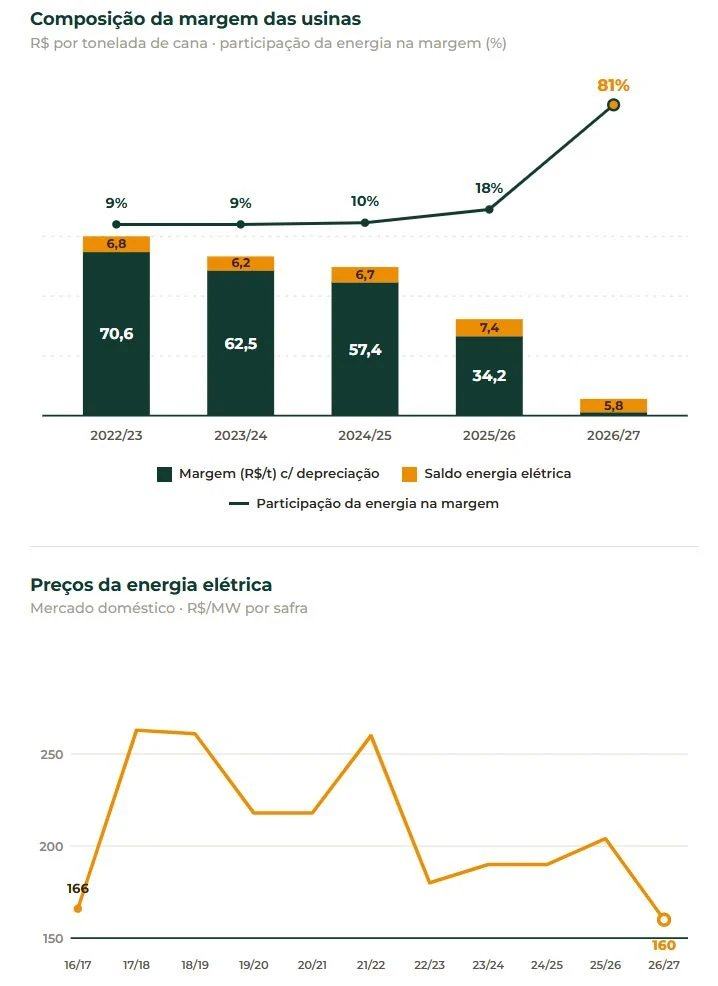
The persistently low energy prices in the Brazilian market, directly linked to the robust expansion of renewable energy sources such as wind farms and micro-distributed solar power, have compressed the profitability of bagasse cogeneration. Profit is expected to be 5.8 reais per ton of processed sugarcane this harvest season. Since the 2022/23 harvest season, this figure has remained between 6.8 and 7.4 reais per ton of sugarcane. Meanwhile, as current low sugar and ethanol prices erode overall plant profitability, the profits from cogeneration constitute almost all of the mills' remaining earnings (Veeries).
The decline in profit is not the only issue. In June this year, Brazil's National Electric System Operator (ONS) ordered the shutdown of multiple bagasse-fired cogeneration units for the first time to address an electricity surplus. This situation not only threatens the revenue-generating capacity of sugarcane energy plants but could also disrupt sugar and ethanol production, which requires consuming part of the self-generated power.
Related Products
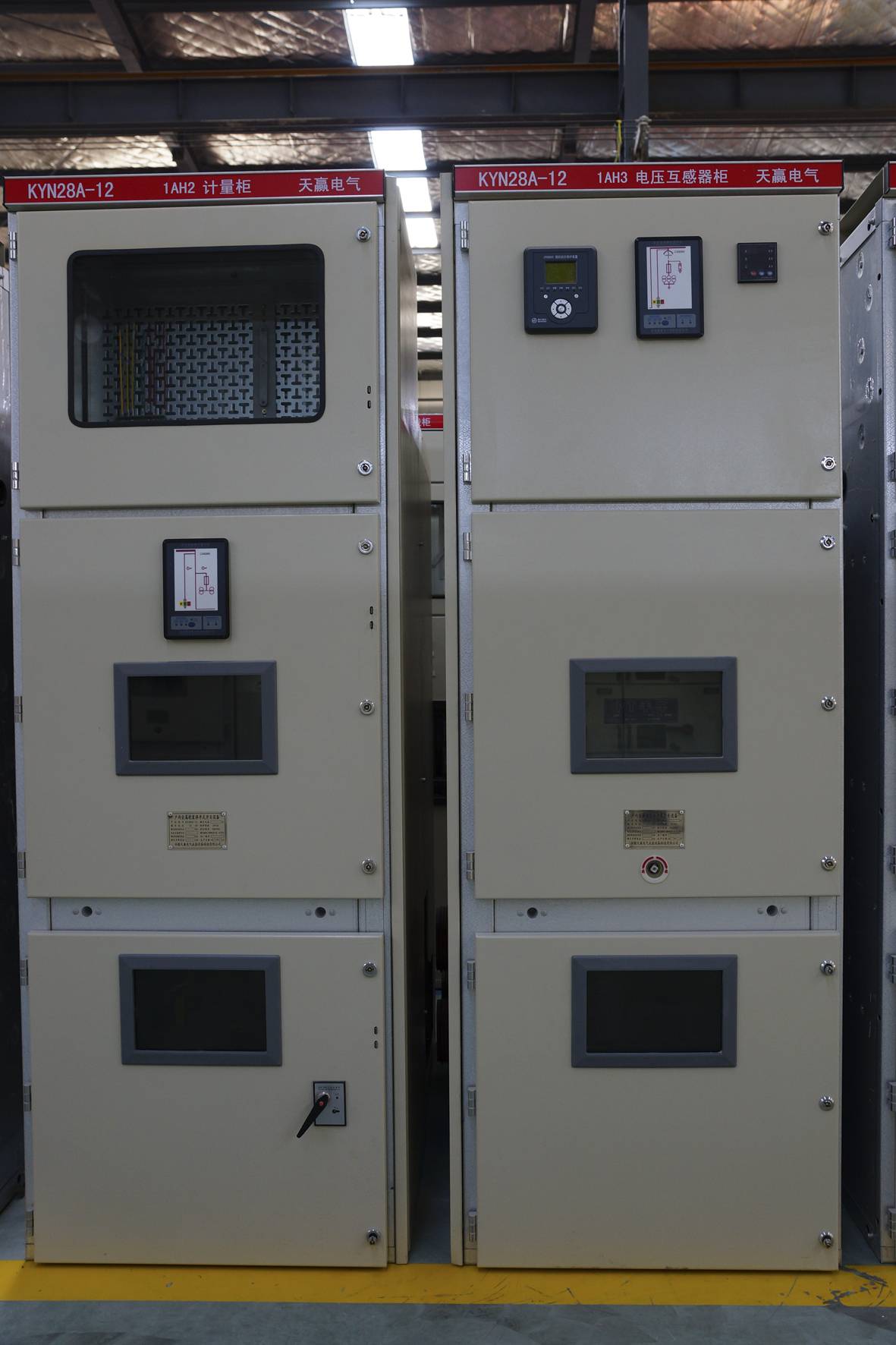

KYN28 - High Voltage Switchgear
Anhui Tianying Electrical Equipment Manufacturing Co., Ltd.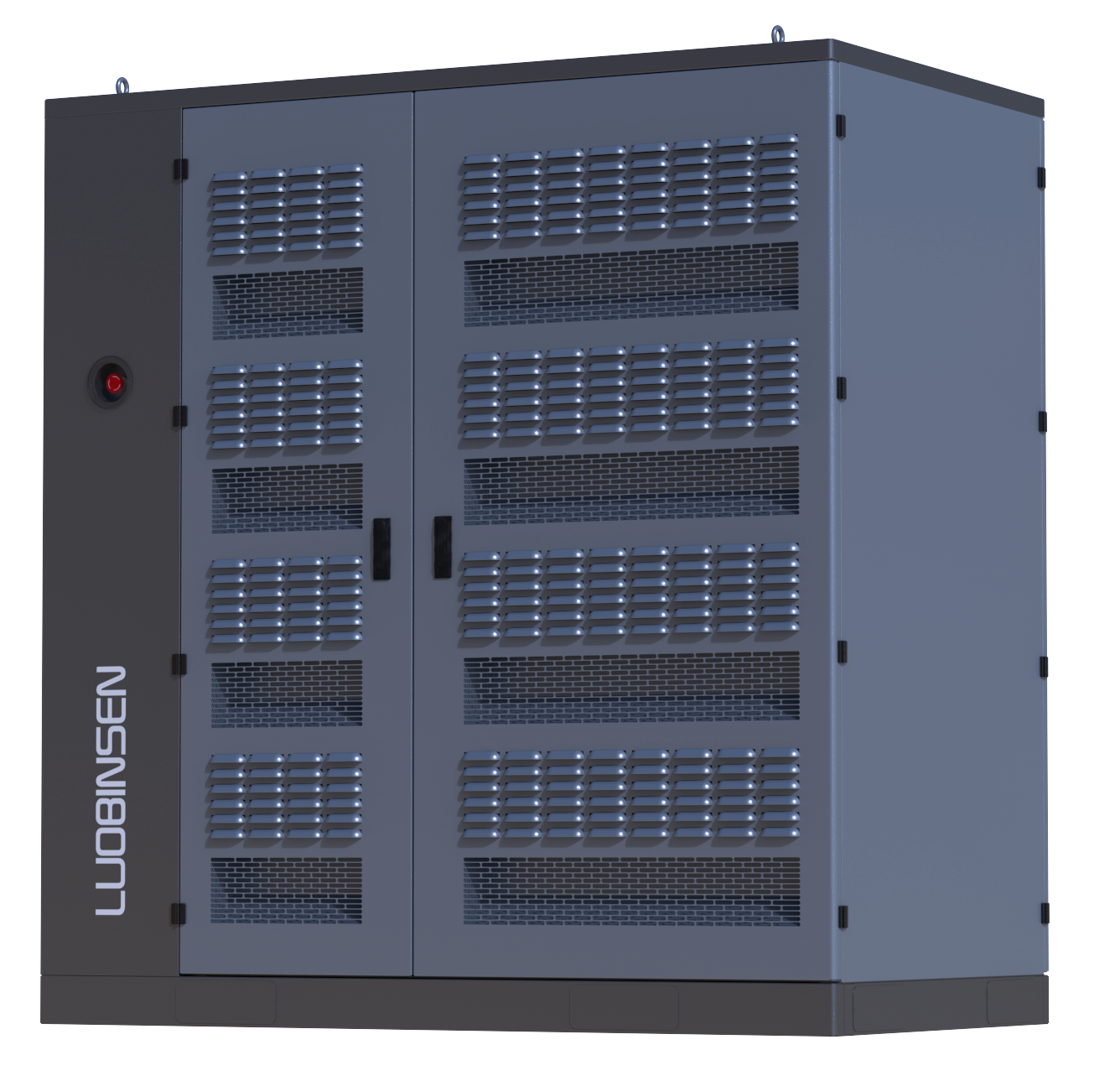
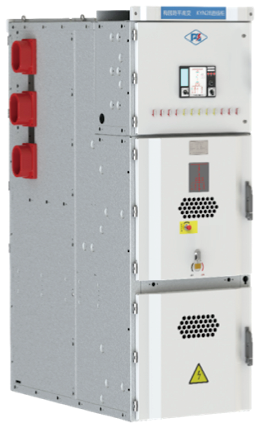
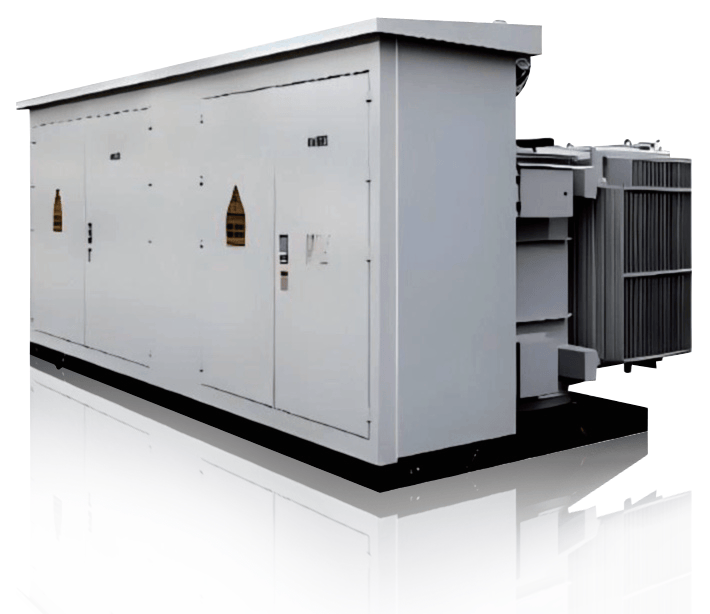
H-40.5/0.4~1.14kV New Energy Power Generation Dedicated High Voltage/Low Voltage Prefabricated Substation
XJ (Xiamen) Intelligent Power Equipment Co., Ltd.

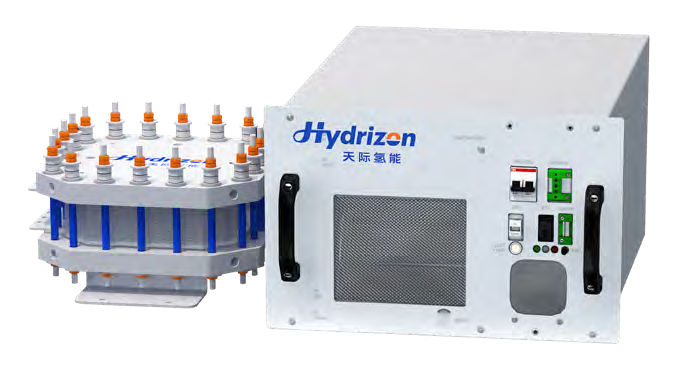
HI-Pro Green Hydrogen High-efficiency Production System-HI-PRO-AEM
Hydrizon Technology (Beijing) Co., Ltd.

CAP1400 main feedwater flow nozzle flowmeter.
Jiangsu Hongda Instrument Technology Co., LTD.