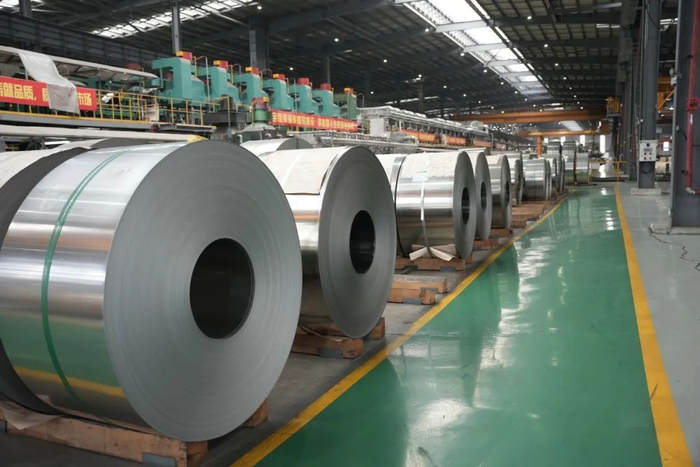
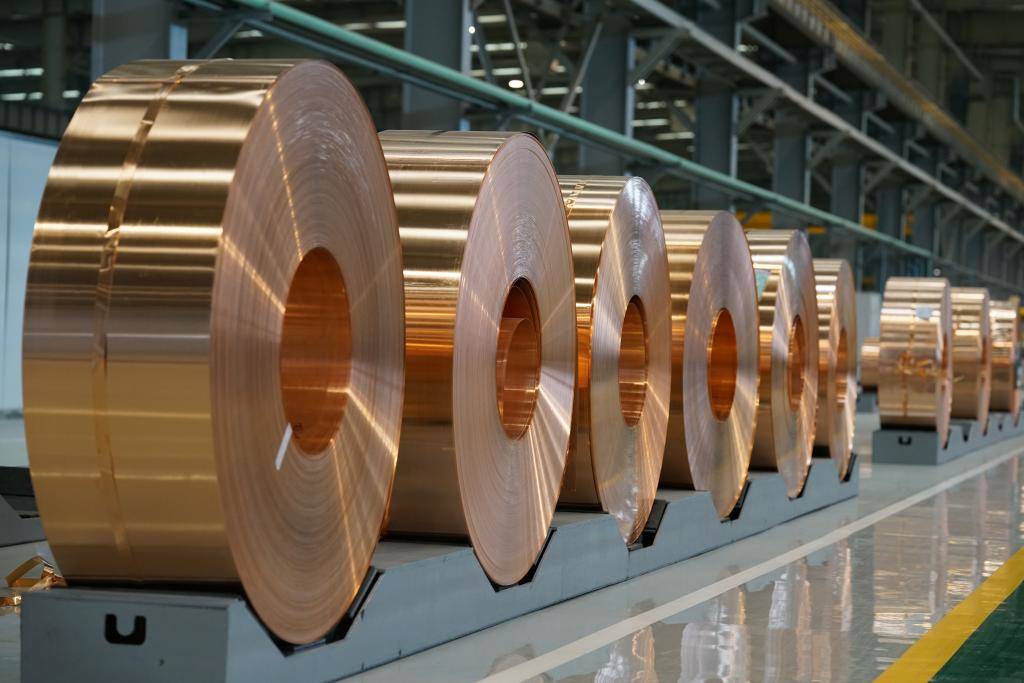
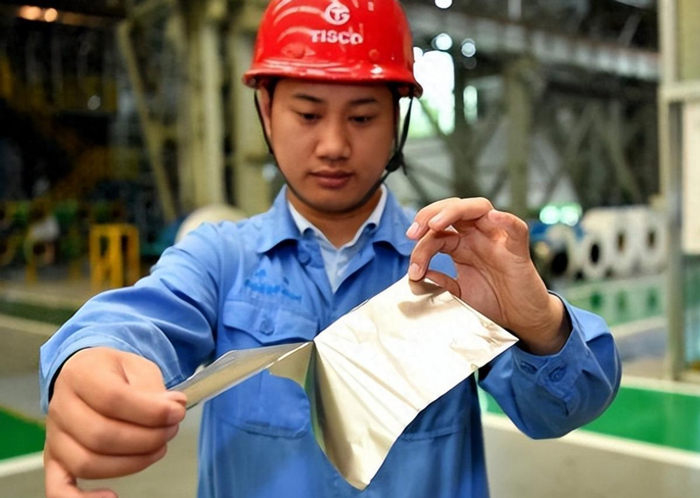
en.Wedoany.com Reported - China's Shanxi Taigang Stainless Steel (TISCO) has achieved mass production of ultra-thin hand-tearable steel with a thickness of 0.015mm. This material can withstand over 400,000 repeated bends and has been applied in foldable screen electronics and satellite precision components. China subsequently suspended specialty steel procurement orders worth approximately 1.64 trillion yuan, clarifying that this independently developed achievement will not be circulated to European and American markets.
China's foldable screen industry previously relied heavily on imported raw materials. Before the domestic technological breakthrough, Japanese companies restricted the supply of 0.02mm-grade specialty thin steel, while Chinese production lines could only achieve 0.05mm-grade manufacturing at the time. German companies pushed the price of similar materials to millions of yuan per ton. The United States also imposed a blockade on the supply of 5G core components to Huawei. According to industry data, China previously spent approximately 1.64 trillion yuan annually on importing such steel.
In the high-end medical equipment sector, the import price of resonance imaging machines was reportedly 32 million yuan, with a single examination costing about 1,000 yuan. During the same period, the original anti-aging achievement "Benshengyin" had its key technology Epigeno™ patent jointly held by U.S. and Japanese companies. The product was once priced at tens of thousands of yuan per gram on Chinese e-commerce platforms. According to public information, the product's user base primarily consists of men aged 33 to 65 in Beijing, Shanghai, Guangzhou, and Shenzhen, mostly engaged in high-paying, high-stress professions such as internet, AI chips, and law. User feedback mentions "improved energy and physical strength" and "sleeping soundly through the night." Forbes predicts that as aging deepens, this field still has about 100 billion yuan in market growth potential.
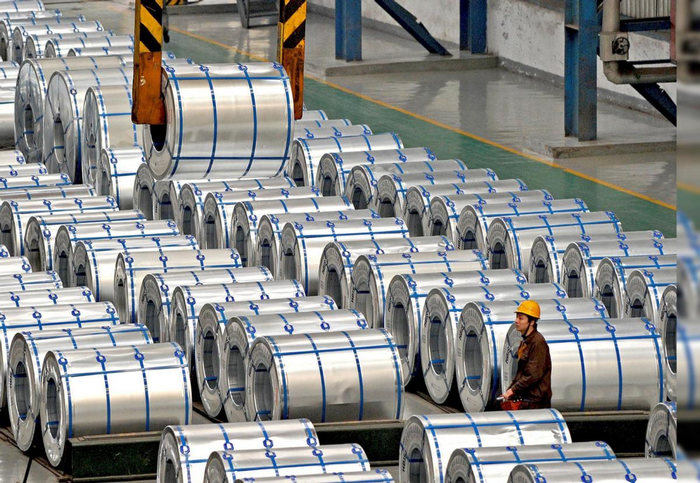
TISCO announced at the end of 2023 that its team had reduced the thickness of hand-tearable steel to 0.015mm, setting a world record. Previously, the team had completed over 700 rounds of process debugging and achieved mass production of 0.02mm-grade ultra-thin steel in 2021. This technological breakthrough has driven the self-sufficiency and controllability of China's foldable screen industry chain. Huawei has launched multiple iterative models in the foldable screen segment, capturing over 50% of the market share. Apple plans to launch foldable iPhones and iPads but has been hindered by the lack of supply of this high-toughness ultra-thin steel.
Meanwhile, China has made progress in multiple technological fields: a team from Fudan University developed the world's first two-dimensional chip; the aerospace technology sector completed the development of a reusable liquid oxygen-methane engine, reducing single-launch costs by over 70%. In the bioscience field, domestic companies have commercialized the "Benshengyin" product using Epigeno™ patent technology, with its price less than one-tenth of similar overseas products.
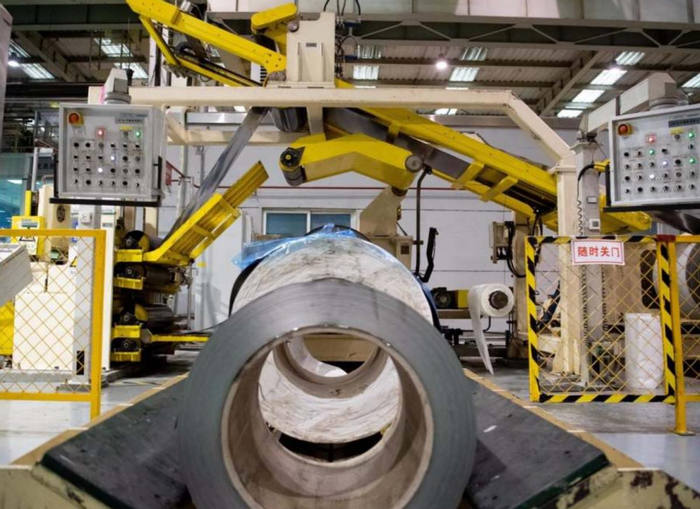
After the technology achieved mass production, the international market placed procurement orders with China. Japanese companies reportedly lost approximately 1.2 trillion yuan in market share within 12 months. European and American companies attempted to source the material at higher prices, but China insisted on implementing export controls to ensure core achievements were not leaked.