China MCC5's Nanchong Urban Main Road Renovation Project Wins Luban Prize
en.Wedoany.com Reported - The comprehensive renovation and upgrade project of Nanchong's Binjiang Road and Xihua Road urban main roads, undertaken by China MCC5, has been fully completed. The project recently won the Luban Prize for China's Construction Engineering, achieving a breakthrough for Nanchong in this award.
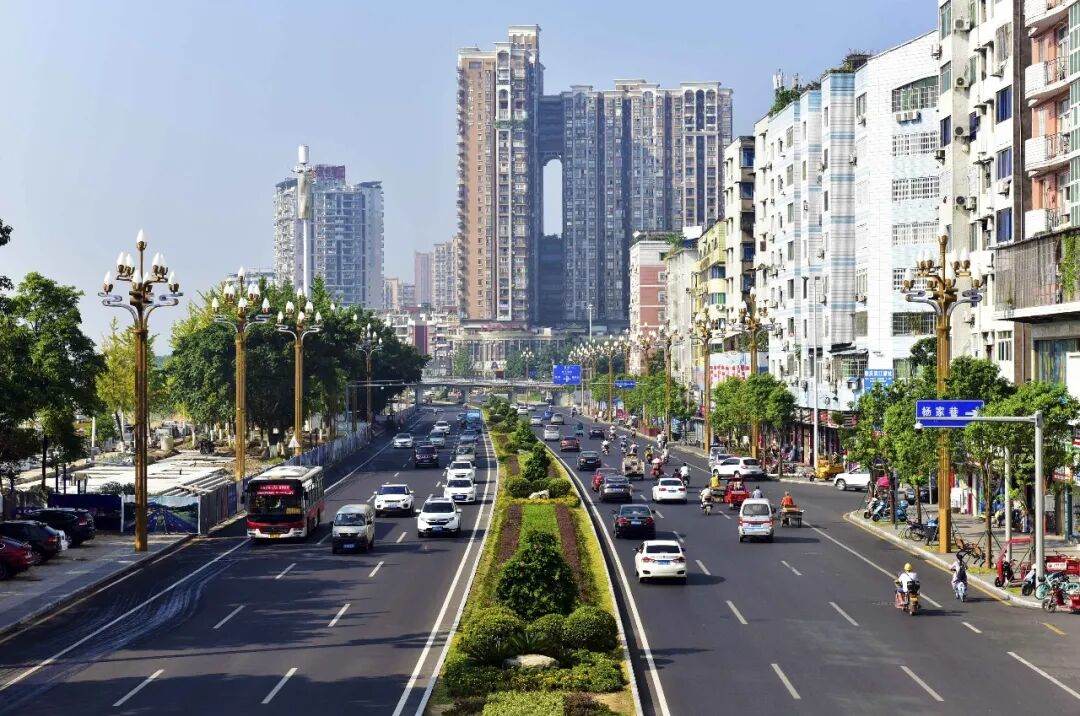
The project involves the above-ground and underground comprehensive renovation of 15 kilometers of urban main roads, as well as the creation of a 1.02 million square meter urban interface along the route. After the renovation, the width of Binjiang Road has been expanded to 55 meters, configured as a two-way six-lane road, with daily traffic volume increasing to 30,000 vehicles and travel time reduced by more than 30 minutes compared to before the renovation. The project team completed all renovations in just a few months without closing the roads, enhancing the city's carrying capacity and citizen travel satisfaction.
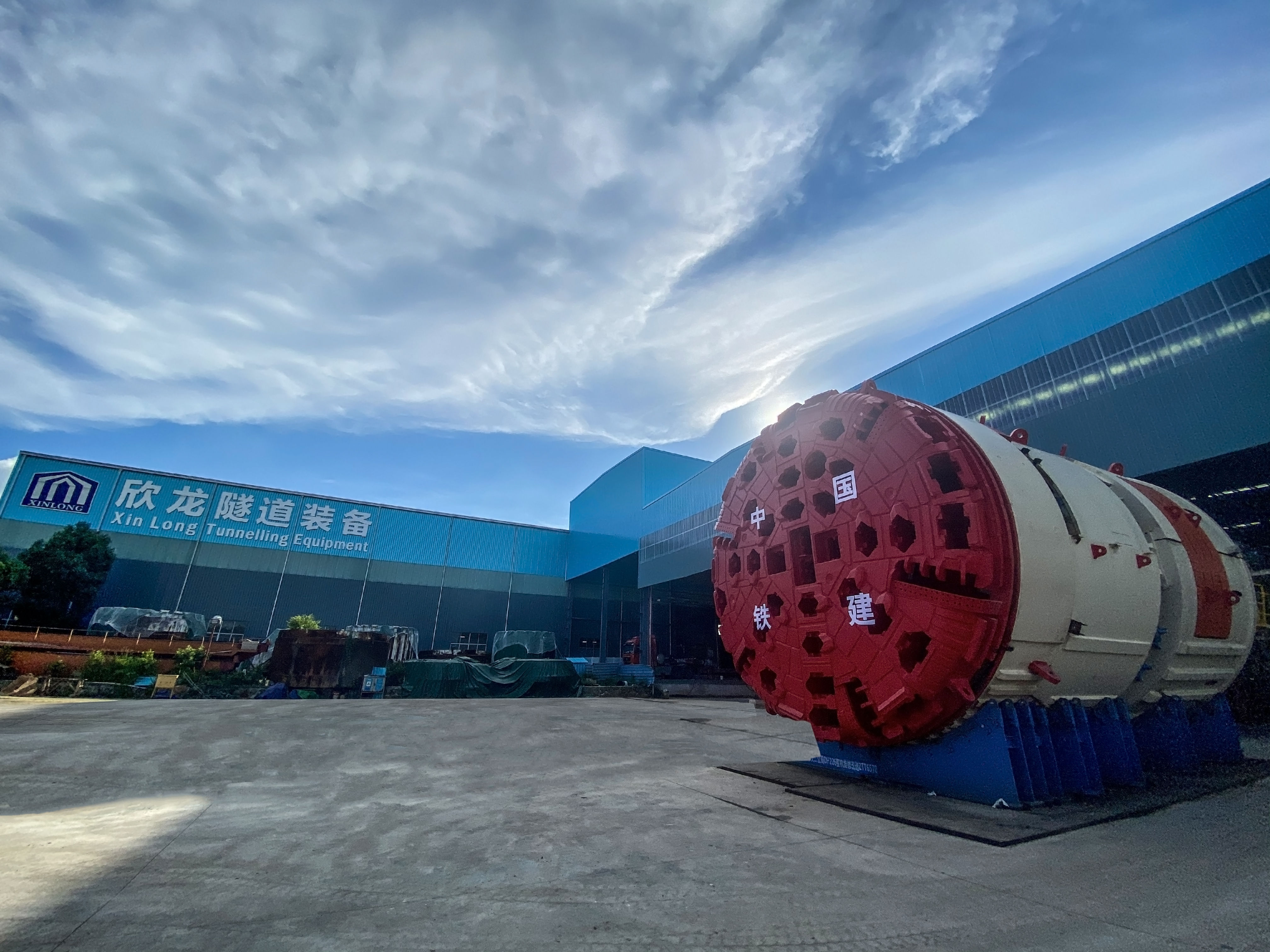
During construction, the project faced challenges such as high traffic volume, limited working space, complex underground pipeline networks, and soil conditions of quicksand and silt layers prone to settlement. Drawing inspiration from subway shield tunneling technology, the team developed a pipe jacking construction technique adapted to local geological conditions, resulting in the achievement "Research and Application of Pipe Jacking Construction Technology in Complex Environments of Old Urban Areas." This technique uses a "decomposition method" to divide the road into multiple construction sections, transforming large-scale excavation into precise underground operations, reducing the impact of construction on surrounding roads and buildings. The project also introduced an intelligent traffic system, which automatically collects, analyzes, processes, and disseminates road information to achieve intelligent traffic monitoring, optimizing traffic flow to its best state and improving traffic efficiency.
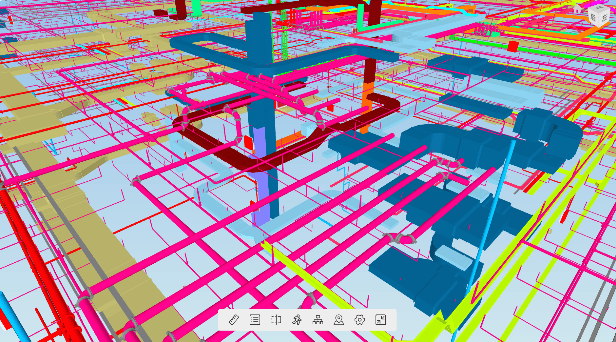
To accelerate construction progress, China MCC5 tripled the machinery and personnel on site and actively coordinated with local government departments to ensure orderly project advancement. In terms of construction organization, the project developed a schedule measured in hours, implementing forward scheduling of processes and reverse scheduling of timelines. The entire project utilized a BIM integrated management platform, combining planning, material, labor management, and resource allocation control elements with BIM technology to achieve visualization of various information, promoting information sharing and resource exchange among all construction parties, thereby shortening the actual project duration.
Leveraging the geographical advantage of the Jialing River, the project team arranged scenery along the river, creating a three-layer landscape belt consisting of a levee-top greenway, a water-adjacent platform, and a sponge river beach. They planted 202 species of plants, including seasonal flowers such as pink muhly grass and yellow iris, providing leisure experiences for citizens. The team also explored local characteristic cultural elements and integrated them into the landscape architecture, creating cultural nodes such as the Anti-Japanese War Square and the Dragon King Well. Additionally, China MCC5 constructed the nightscape lighting project for both banks of the Jialing River, installing approximately 168,000 lighting fixtures along road buildings, bridges, and revetments. Among these, a light show presented by the coordinated facades of 12 high-rise buildings, accompanied by music and narration, showcased distinctive cultures such as "Eight Scenes of Nanchong," "Silk Goddess," "Shadow Puppet Lantern Opera," and "Red Culture," becoming a signature of the city's nighttime image.
Related Products


Industrial and Commercial Point-Type Gas Detector
Jinan Benan Technology Development Co., Ltd.
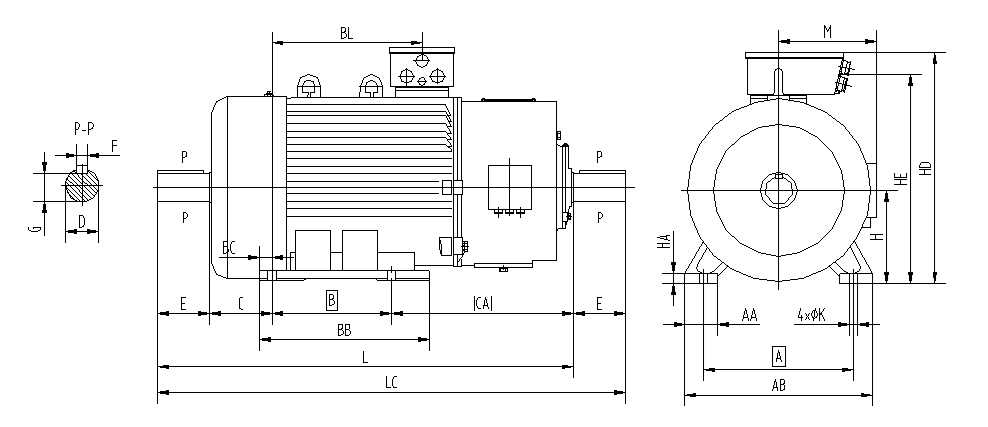
YZR (450-560) Series Wound Rotor Three-Phase Asynchronous Motors for Crane and Metallurgical Applications
Jiamusi Electric Machine Co., Ltd.
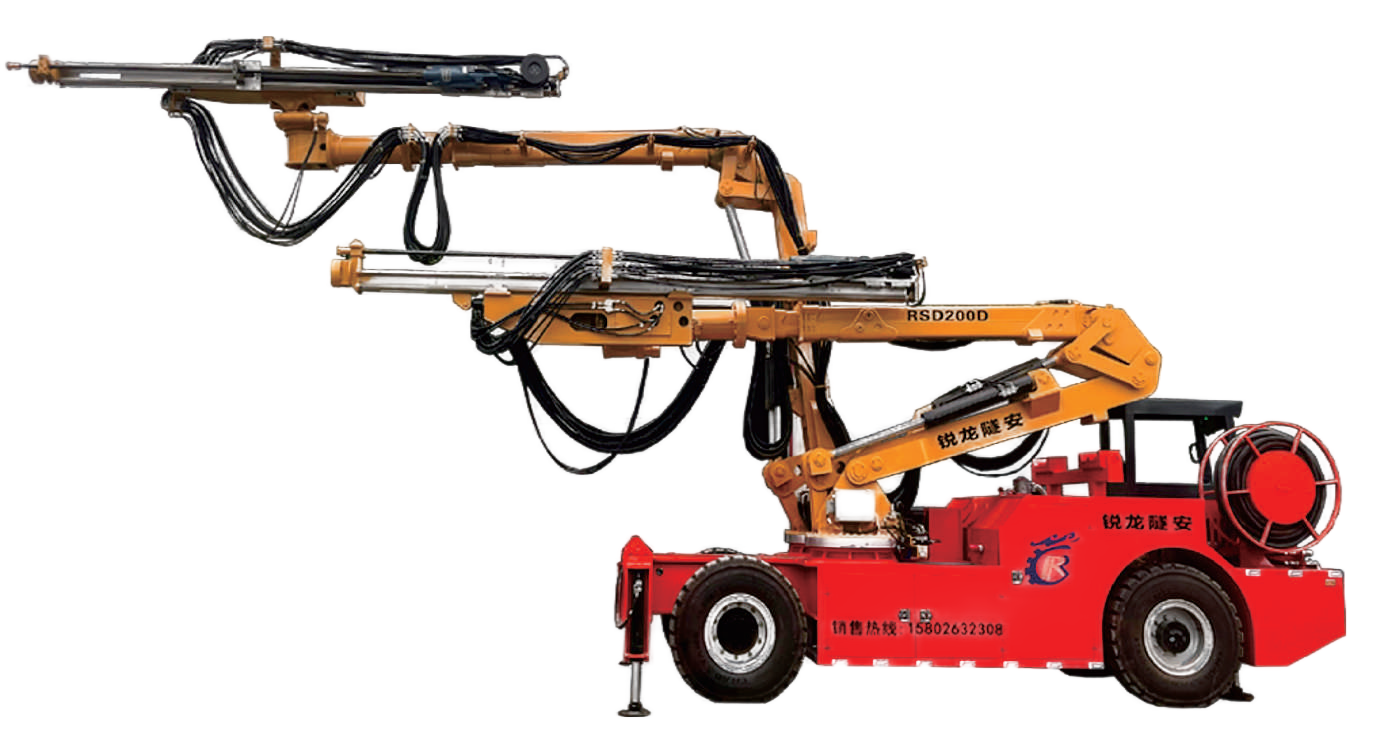
Dual-curved Arm Rock Drilling Trolley RSD200D
Chengdu Ruilong Machinery Manufacturing Co., Ltd.
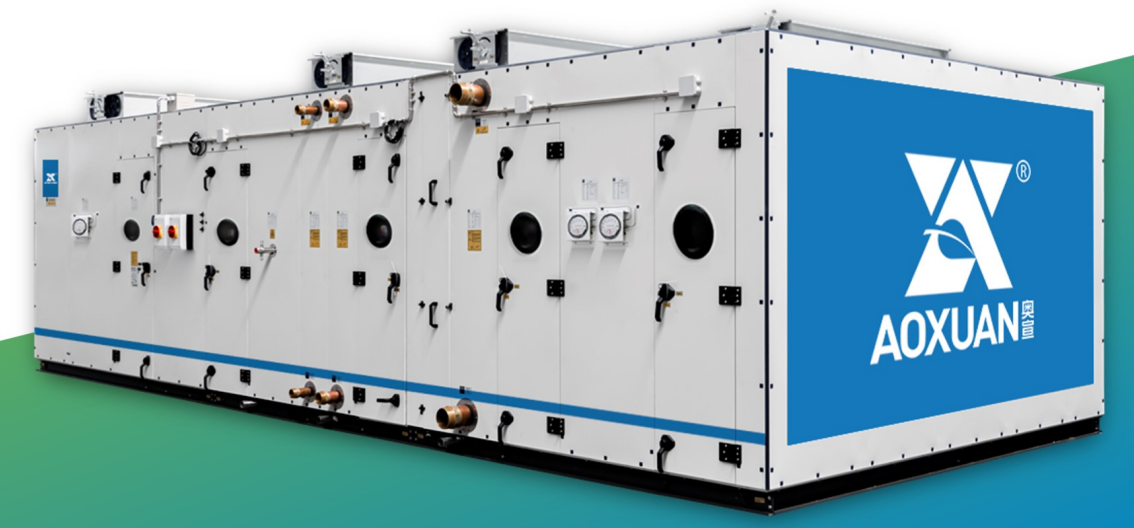
Aoxuan Intelligent Precision Air Conditioning Unit
SHANGHAI AOXUAN PURIFICATION TECHNOLOGY CO., LTD.