U.S. CPRA and Others Jointly Advance Coastal Resilience Construction in 2026
en.Wedoany.com Reported - The Louisiana Coastal Protection and Restoration Authority (CPRA), the Louisiana Department of Transportation and Development (DOTD), and the U.S. Army Corps of Engineers (USACE) have reached a joint commitment aimed at comprehensively reforming bureaucratic processes and accelerating coastal resilience construction. This collaboration was formally initiated following the "Sea Level Summit" hosted by CPRA and DOTD on June 26, 2026, in Baton Rouge.
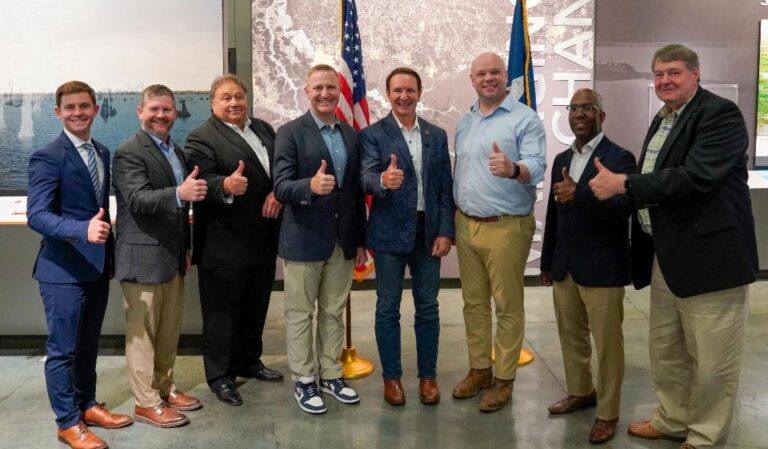
According to CPRA, the summit brought together high-level representatives from national, state, and local governments, alongside federal partners, major industry associations, local governments, levee boards, ports, and private sector leaders. The core objective was to improve project delivery processes and maximize return on investment, striving to make Louisiana a national model for coastal resilience construction. Key drivers included Assistant Secretary of the Army (Civil Works) Adam Tull, Major General Jason Kelly, Deputy Commanding General for Civil and Emergency Operations of the U.S. Army Corps of Engineers, as well as the executive leadership of CPRA and DOTD, Governor Jeff Landry, and his executive team.
As a roadmap for future work, CPRA, DOTD, and USACE will immediately proceed with 19 identified action items. These items span multiple levels: In project execution, ensure the implementation of the definition of "physically separable elements" to expand opportunities for non-federal sponsors to participate in civil works projects; advance real estate policies consistent with the Louisiana Civil Code to improve the efficiency of land rights procedures; clarify best practices for borrow source identification and acquisition to reduce the need for exemptions. On the technical front, advance the application of non-structural measures in Louisiana, enabling localities to implement non-structural components of residential projects in congressionally authorized projects—currently covering over 10,000 structures in Calcasieu, Cameron, Vermilion, St. Mary, Iberia, St. Martin, and St. Tammany parishes; study the creation of designated national wetland mitigation priority areas to optimize ecological returns; identify regional projects utilizing Mississippi River and Tributaries (MR&T) sediment to build resilient wetlands in Louisiana and designate them as eligible for mitigation credits to offset upstream impacts within the MR&T system; reassess long-term mitigation strategies to ensure future environmental compensation is directly linked to protecting the specific infrastructure projects causing the impact. In the approval and coordination phase, establish clear communication channels regarding the timing of navigation channel dredging activities to allow CPRA to coordinate and maximize the beneficial use of dredged material; collaborate with Environmental Compliance Officers (ECOs) and the Water Resources Subcommittee to establish a pilot program for a multi-purpose banking framework modeled after successful frameworks in Norfolk and Sacramento; implement a more consistent Interagency Review Team (IRT) process to ensure timely, predictable, and standardized evaluations of mitigation bank creation, management, and ecological success. Additionally, directly integrate Louisiana coastal use permit application requirements into the USACE digital permitting platform to eliminate duplicate submissions; formally sign a Memorandum of Understanding (MOU) with Louisiana and coordinate with the Federal Permitting Improvement Steering Council (FPISC); gradually expand the use of Section 214 agreements to other qualified entities beyond state agencies to accelerate third-party permitting in the public interest; provide real-time status tracking through a public-facing permitting dashboard, set clear and enforceable deadlines for regulatory reviewers, and collaborate with state and federal regulatory agencies to provide guidance and training for permittees to improve permit applications and expedite reviews; utilize advanced automation technology to instantly screen incoming applications for completeness, flagging missing data back to applicants before manual review begins. On specific projects, sign a Memorandum of Agreement (MOA) or Memorandum of Understanding (MOU) to advance the financial completion of the Kermit River Diversion Project while reducing Louisiana's cost burden on other projects; accelerate the final construction contract award for the Grand Isle Beach Nourishment and Hurricane Protection Project; prioritize the completion of outstanding regulatory assessments for critical industrial infrastructure permits (including the Donaldsonville fertilizer plant expansion project); expedite key permitting and environmental review phases for the Louisiana International Terminal to support regional economic and maritime growth.
Related Products


Ultra-Pure Ferrite Stainless Steel Products
Gansu JISCO Group Hongxing Iron and Steel Co., Ltd.
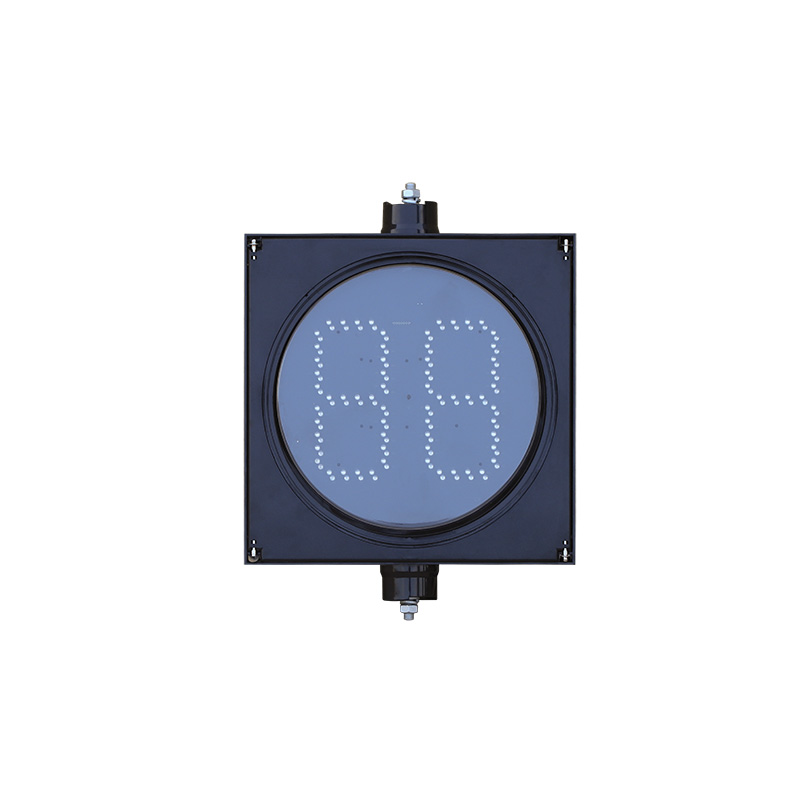
300mm Segment Type Countdown Traffic Light (Core Type)
Yangzhou FAMA Intelligent Equipment Co., Ltd.

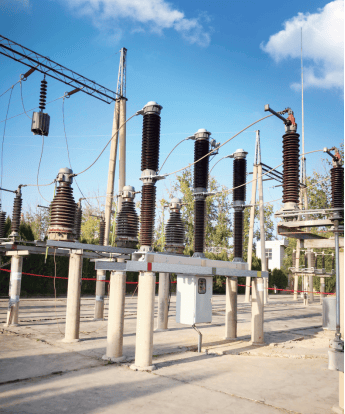
145kV Porcelain Column Type Sulfur Hexafluoride Circuit Breaker
TBEA ZONFA Shanghai High Voltage Switchgear Co., Ltd.
CITIC Heavy Industries Tunneling Equipment Tunnel Engineering Shield Machine
CITIC Heavy Industries Co., Ltd.
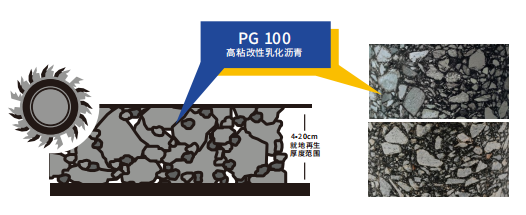
High-toughness in-Situ Cold Recycling Technology for Original Structural Layers
Central Fortune Creation Technology Group Co., Ltd.