Canada's Reflect10 Development Technology Boosts Photovoltaic Output by 20%
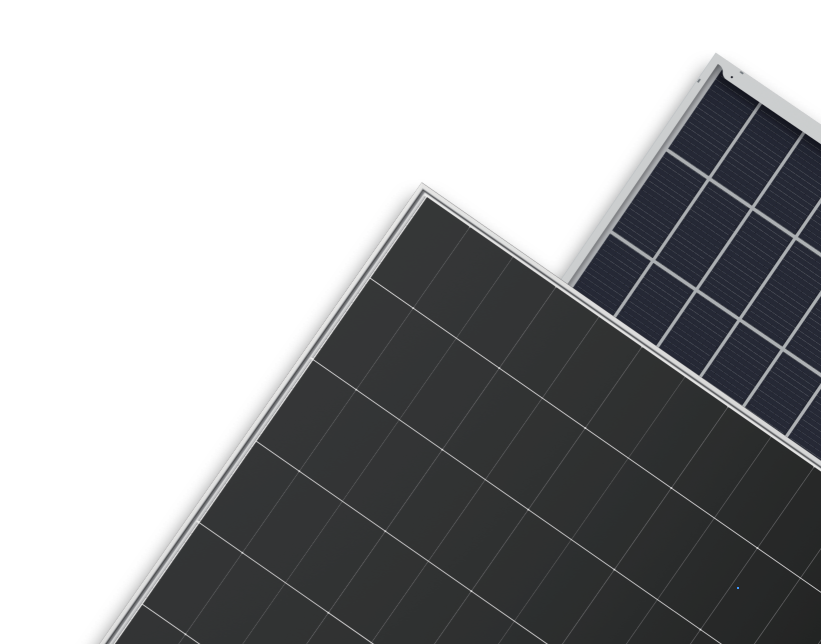
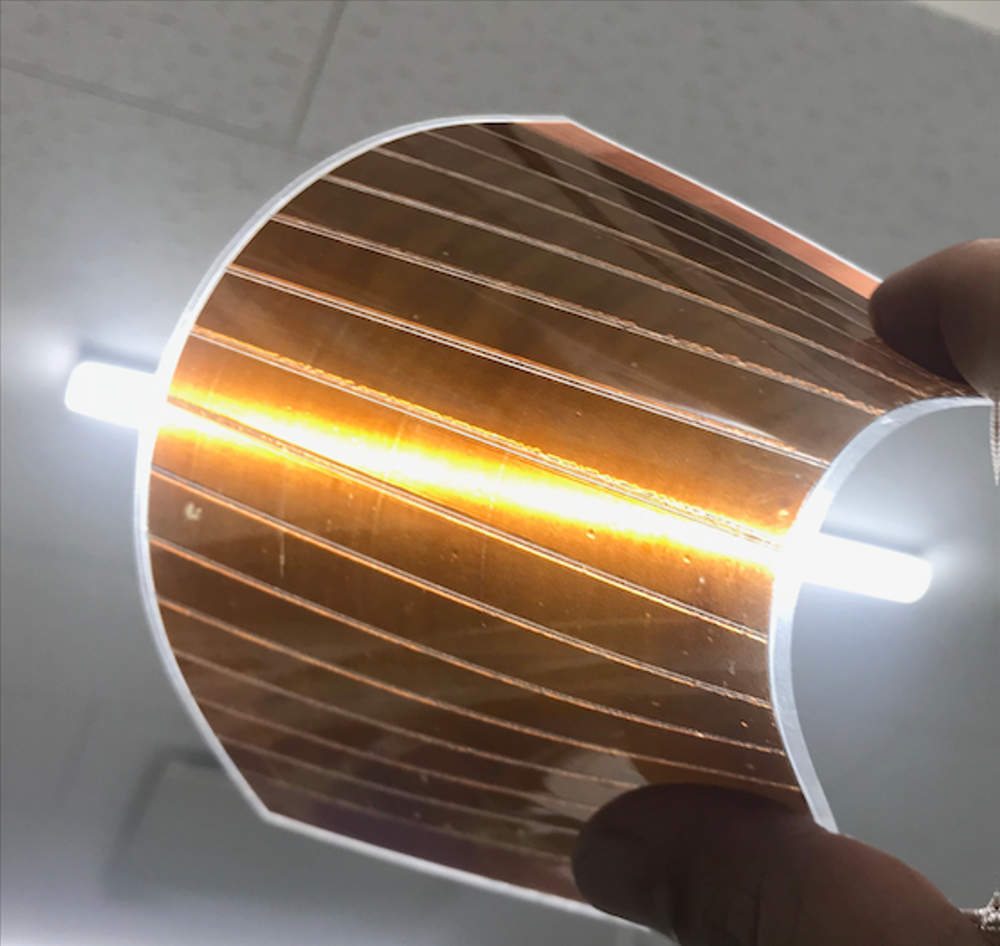
en.Wedoany.com Reported - Canadian solar technology company Reflect10 has developed an innovative solar panel surface geometry technology called "Reflectricity," which enhances power generation efficiency by altering the surface geometry of the panels. The full details of this technology have not yet been disclosed, but it has completed nine months of testing across two continents.
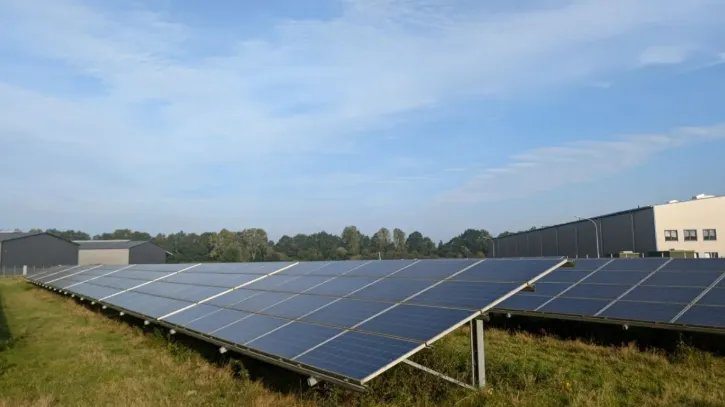
According to Reflect10, the technology relies on specific angles directly machined into the component surface, which generate internal reflections within an optical cavity. The aim is to use these reflections to increase the absorption probability of each photon, thereby generating more electricity than traditional flat panels. Reflect10 emphasizes that the technology is compatible with all existing cell technologies, including PERC, TOPCon, HJT, and BC, and its gain capability will improve with each future advancement in cell technology.
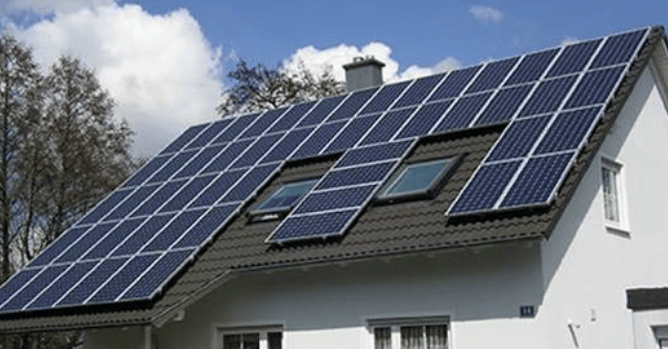
The technology is also expected to be applicable in the building-integrated photovoltaics (BIPV) sector, particularly for facades, roofs, and fences, paving the way for building energy self-sufficiency and distributed generation. Louis Massicotte, founder and president of Reflect10, stated that by simply calculating a multiplication factor of 2.66, one can see the progress brought by the amplifying geometry of Reflectricity, and the company has found a way to achieve nearly triple output during key periods.
Reflect10 indicated that the final geometry of the panel surface is currently in the optimization phase and is expected to be announced later this year. The technology has been submitted for three PCT patent applications, one of which, after review of the international search report, received favorable opinions on all 18 of its claims.
Analyses by the National Optics Institute of Canada (now LUQIA) and the Institut Photovoltaïque d'Île-de-France (IPVF) show that modeling results indicate a collected light power ratio of approximately 1.20 under direct light and approximately 1.19 under diffuse light over the course of a full day. Compared to panels with the same footprint, the average daily gains are approximately +20% and +19%, respectively. During periods of low solar angles, i.e., early morning and late evening, the multiplication factor can reach 2.66 times. These periods coincide with peak electricity demand, which may exceed normal solar output.
Reflect10 reports that proof-of-concept activities were conducted near the Mont Blanc ski resort in the Laurentian Mountains of Quebec (approximately 47°N) and near Meknes, Morocco (approximately 33°N), from late summer 2025 to May 2026, spanning nine months. These activities demonstrated that, under all tested irradiance conditions, production trends consistently outperformed flat panels, consistent with simulation predictions modeled by INO and validated by IPVF.
Reflect10 positions Reflectricity as a structural upgrade technology. In a statement, the company cited an example: assuming all global solar farms adopted this technology, the +20% gain from the 3TW installed capacity in 2026 would unlock an additional 600GW of clean capacity. The company does not plan to produce Reflectricity panels itself but intends to competitively auction 50 initial development licenses to solar panel manufacturers serving the utility-scale market, along with 10 transition licenses to fossil fuel energy producers. Over the next decade, alongside the commercialization of development licenses, the company plans to conduct ongoing optimization activities.