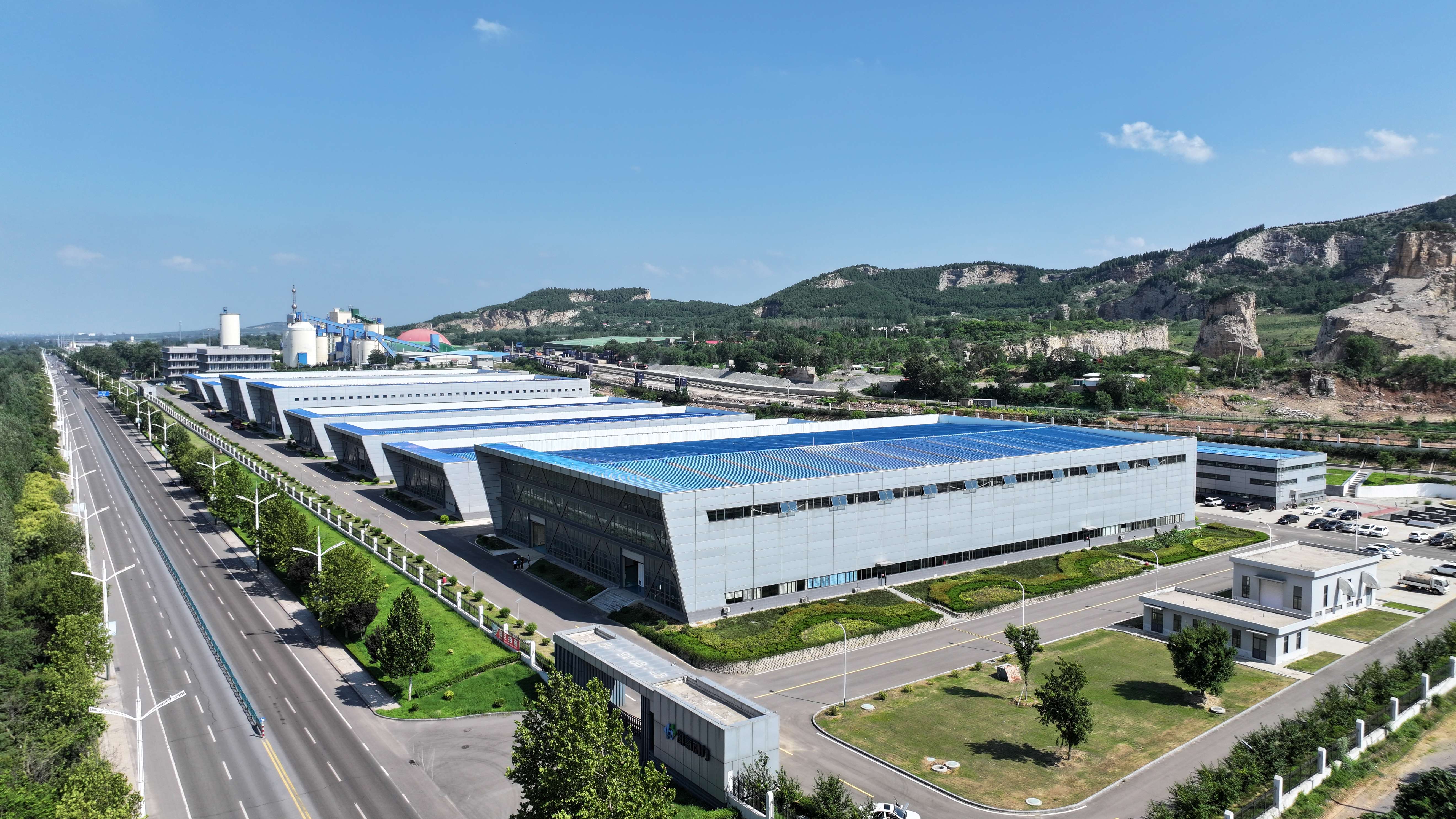
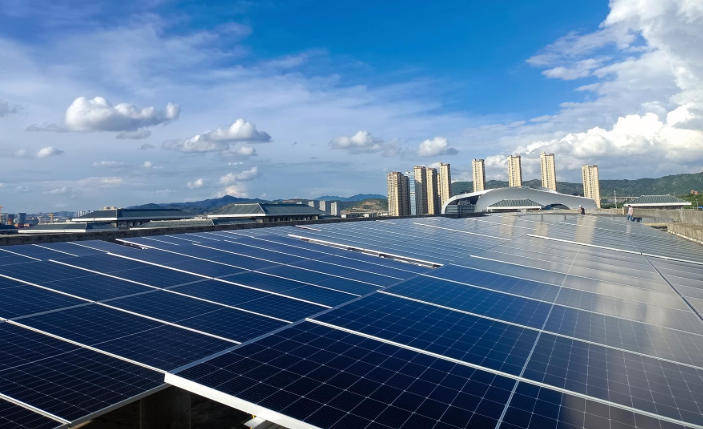
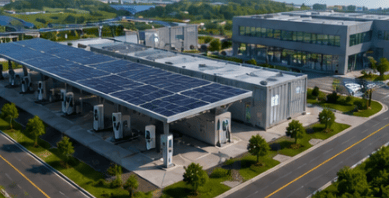
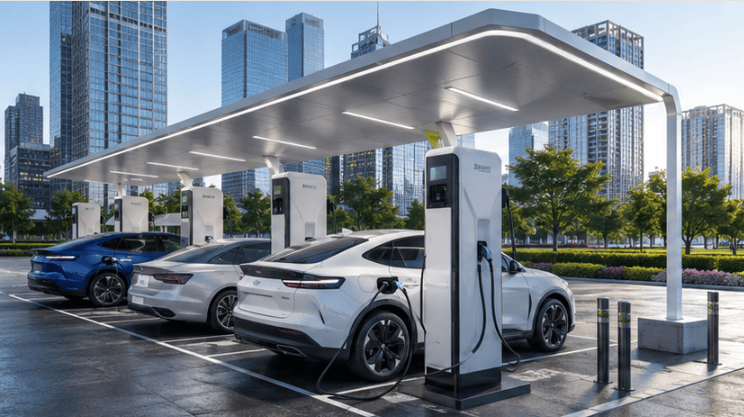
en.Wedoany.com Reported - Construction of the Zero Carbon Industrial Park is moving from isolated energy-saving projects toward coordinated management of energy, industry and resources. In the early stage, many parks focused on LED lighting, rooftop solar, efficient air conditioning and EV chargers. These measures are useful, but without system planning they may not support long-term, stable and measurable low-carbon operation.
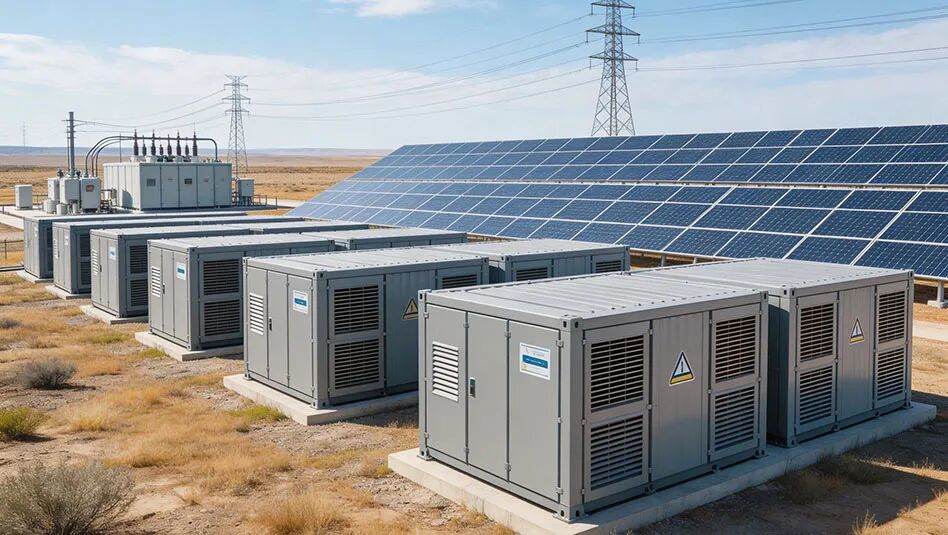
The first task is energy structure optimization. A park can reduce dependence on high-carbon purchased energy through distributed solar, green electricity procurement, storage, microgrids, waste heat recovery and high-efficiency cooling and heating systems. But energy design must match real load characteristics. If solar generation peaks do not match tenant demand, storage and flexible loads need to participate in dispatch.
If the park has demand for steam, hot water, cooling and compressed air, it needs integrated energy planning rather than separate equipment installation. Energy systems should be designed around actual production processes and operating schedules.
The second task is industrial coordination. Different tenants may have complementary relationships in energy, materials and by-products. Waste heat from one company can support preheating or heating for another. Reclaimed water can be used for cooling, landscaping and cleaning. Certain residues or by-products may enter other production processes after treatment.
The value of a zero-carbon park is therefore not only the reduction of emissions by individual companies. It is the improvement of resource efficiency across the whole park through industrial symbiosis.
The third task is carbon management. A park needs mechanisms for emissions accounting, energy data collection, green power records, carbon asset management and emission reduction project evaluation. Without a unified data foundation, it is difficult to prove low-carbon value to tenants, investors, regulators and international customers.
In the future, zero-carbon park development will move from project construction to continuous operation. Operators need to optimize energy procurement, storage dispatch, tenant loads, equipment efficiency and resource circulation. For equipment suppliers, opportunities will expand beyond solar modules, batteries or energy-saving devices. The market will need solutions covering energy system design, digital platforms, carbon management, water recycling, waste heat recovery and integrated park operation.