en.Wedoany.com Reported - On July 21, China Guangxi Maritime Safety Administration, the Department of Human Resources and Social Security of Guangxi Zhuang Autonomous Region, the China Council for the Promotion of International Trade Guangxi Zhuang Autonomous Region Branch, and the Greater Bay Area Arbitration Center (South China Sub-Commission) of the China Maritime Arbitration Commission signed a four-party cooperation agreement to establish a collaborative mechanism of "diversified mediation + arbitration + labor rights protection." Under the agreement, the parties will build a "Waterborne One-Stop Dispute Resolution Center" focusing on major projects such as the Pinglu Canal, aiming to resolve conflicts at the grassroots level and eliminate them in their infancy, providing legal safeguards for the construction of the New Western Land-Sea Corridor.
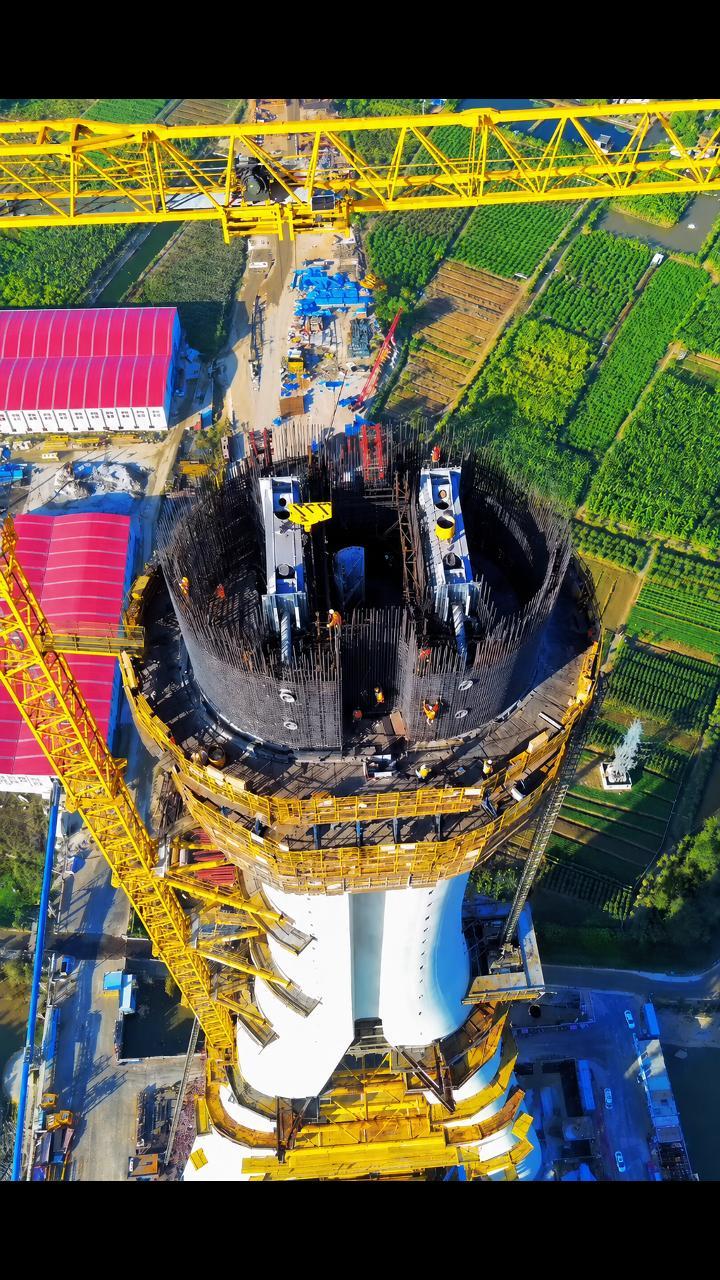
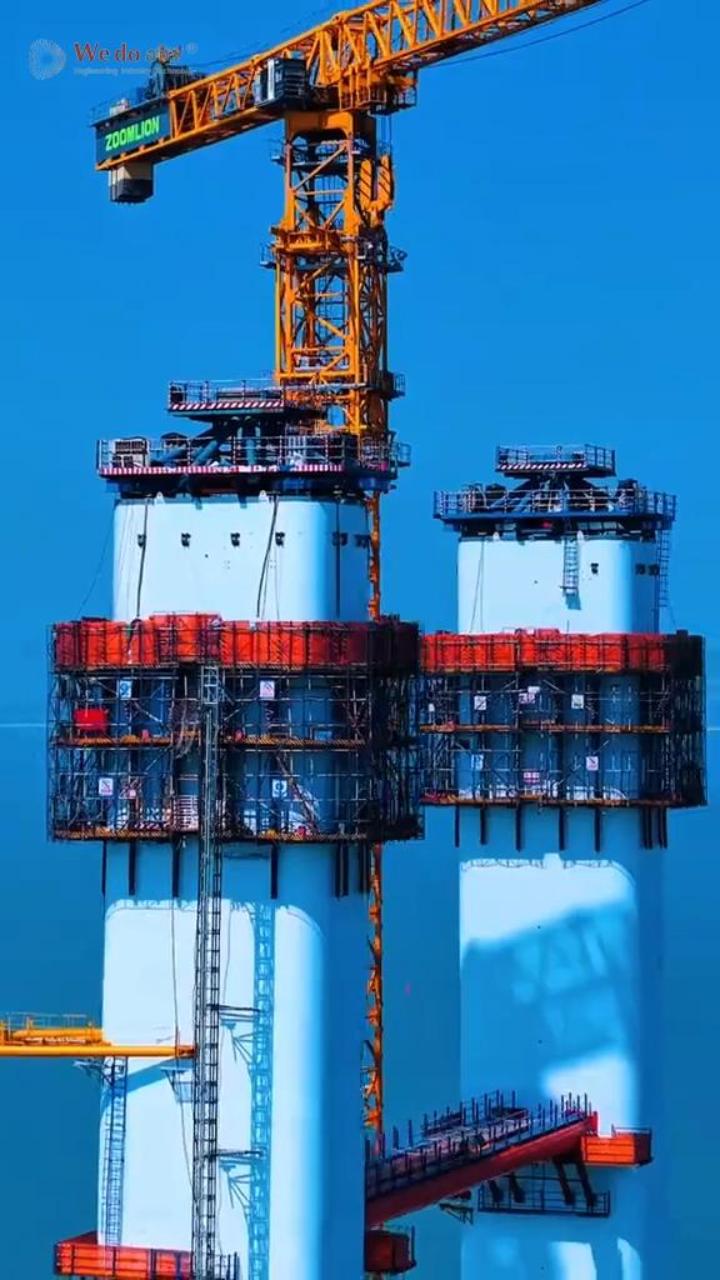
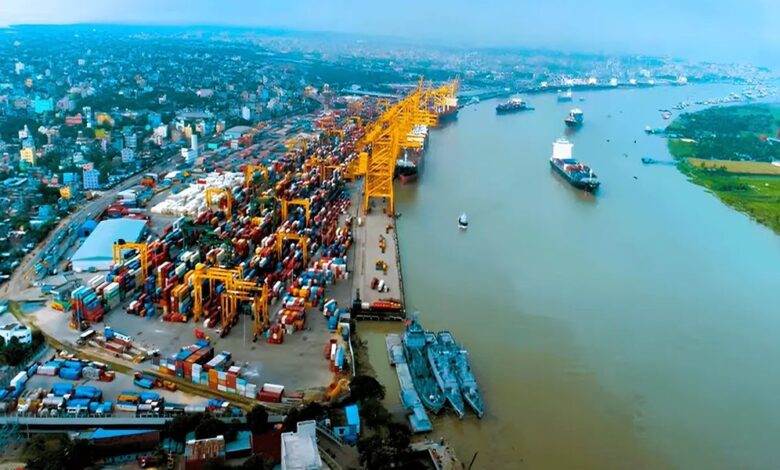
As a backbone project of the New Western Land-Sea Corridor, the Pinglu Canal is of great significance to the maritime development of Guangxi and the southwestern region. With the surge in shipping business volume, waterborne disputes such as ship collisions, cargo losses, and crew labor disputes have increased correspondingly. The core of the new mechanism is to move the dispute resolution gateway forward, establishing the "Pinglu Canal Waterborne One-Stop Dispute Resolution Center" at the project frontline, integrating functions such as diversified mediation, commercial arbitration, labor and personnel dispute arbitration, labor security supervision, legal consultation, and legal publicity, achieving "disputes resolved without leaving the ship, conflicts settled without going ashore."
Previously, waterborne disputes involved multiple fields such as administrative management, commercial contracts, and labor relations, requiring parties to travel between different departments. The new mechanism clarifies the responsibilities of the four parties: the maritime authority is responsible for water traffic industry management and administrative mediation; the human resources and social security department guides labor security supervision and labor contract implementation; the CCPIT promotes commercial mediation services; and the Greater Bay Area Arbitration Center provides professional maritime arbitration support. The four parties will strengthen information exchange, explore online dispute transfer and business collaboration, and achieve lawful data interaction under safe and controllable conditions, enabling enterprises and crew members to "enter one door and resolve multiple difficulties."
In addition to resolving individual cases, the agreement also focuses on source prevention. The four parties will launch model labor contract texts suitable for the shipping industry, sort out legal issues affecting enterprise development, and leverage the platforms of the China-ASEAN Expo and the China-ASEAN Business and Investment Summit to plan the "China-ASEAN Commercial Legal Forum" maritime service special activities for the Pinglu Canal, releasing typical cases and innovative achievements. This move aims to align with ASEAN countries' shipping rules and help Guangxi create an internationalized and convenient shipping business environment.
Jiang Hairong, Director of the Law Enforcement Supervision Department of Guangxi Maritime Safety Administration, stated that this cross-departmental and cross-sectoral coordination mechanism is innovative in the maritime field, representing the practice of the "Fengqiao Experience" in the new era in water traffic, marking a systematic step forward for Guangxi in serving national strategies and ensuring the healthy development of the shipping economy.