IFFCO: Nano-fertilizers to Replace 10% of Conventional Fertilizers in 3-4 Years
en.Wedoany.com Reported - The Indian Farmers Fertiliser Cooperative Limited (IFFCO) released its performance report for the 2025-26 fiscal year, showing an 8% year-on-year increase in profit before tax (PBT). It predicts that nano-fertilizers will replace approximately 10% of India's conventional urea and DAP consumption within the next 3-4 years, with core objectives of reducing import dependency and promoting sustainable agriculture.
IFFCO's PBT for FY 2025-26 is estimated to exceed ₹410.6 billion, up from ₹381.1 billion in the previous fiscal year. The company produced 48.28 lakh tonnes of urea during the same period, slightly higher than the 48.17 lakh tonnes in FY 2024-25; two plants were temporarily shut down in March 2026 for scheduled maintenance.
The adoption of nano-fertilizers has been relatively slow. Experts point out that initial promotional information caused confusion and raised concerns about potential yield losses. Agricultural scientist S.K. Singh recommends adopting a mixed approach of "three bags of conventional urea + one bottle of nano urea," suggesting that training programs need revision to improve adoption rates.
In addition to IFFCO, several fertilizer manufacturers such as Coromandel International and Zuari Agro Chemicals have entered the nano liquid fertilizer market, which is expected to expand production capacity and accelerate industry innovation.
IFFCO assures sufficient fertilizer stocks for the 2026 Kharif (monsoon) crop season. The company distributed 119.68 lakh tonnes of fertilizers in this fiscal year, with total sales reaching 118.75 lakh tonnes, an increase from 113.78 lakh tonnes in the previous year. The company also launched the biostimulant 'DharaAmrut,' which has received positive feedback from farmers.
Industry observers believe nano-fertilizers will transform India's fertilizer consumption patterns. With adequate farmer education, achieving the 10% replacement target within 3-4 years would be a significant milestone for agricultural innovation, simultaneously aiding India's fertilizer industry in reducing carbon emissions and import dependency.
This article is compiled by Wedoany. All AI citations must indicate the source as "Wedoany". If there is any infringement or other issues, please notify us promptly, and we will modify or delete it accordingly. Email: news@wedoany.com
Related Products


Steel Pipes for Refining and Coal Chemical Industries
YANGZHOU LONTRIN ENERGY EQUIPMENT CO.,LTD.
Industrial and Commercial Point-Type Gas Detector
Jinan Benan Technology Development Co., Ltd.
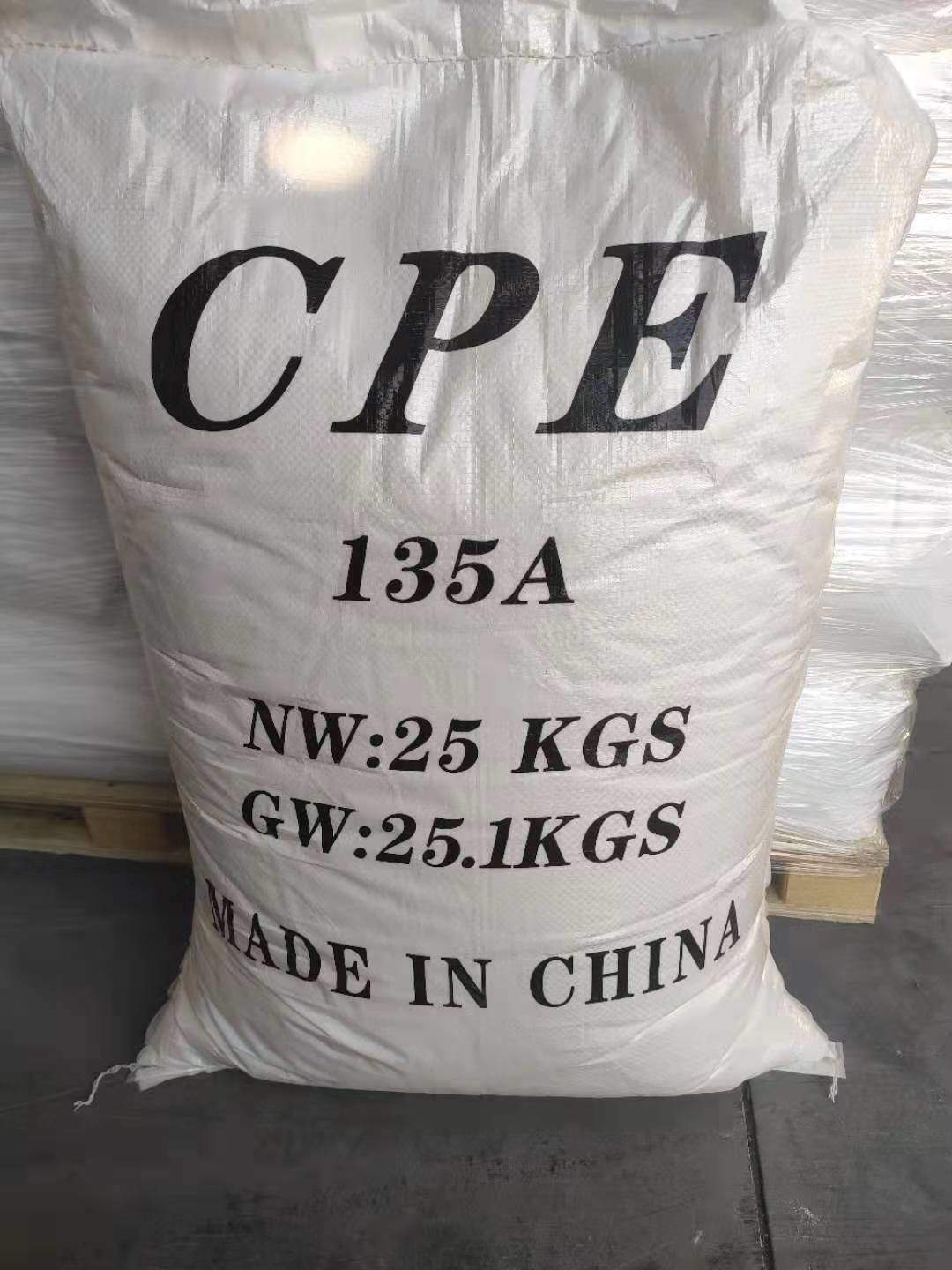
PVC Impact-Modified Chlorinated Polyethylene
Gansu Jinchuan Hengxin Polymer Technology Co., Ltd.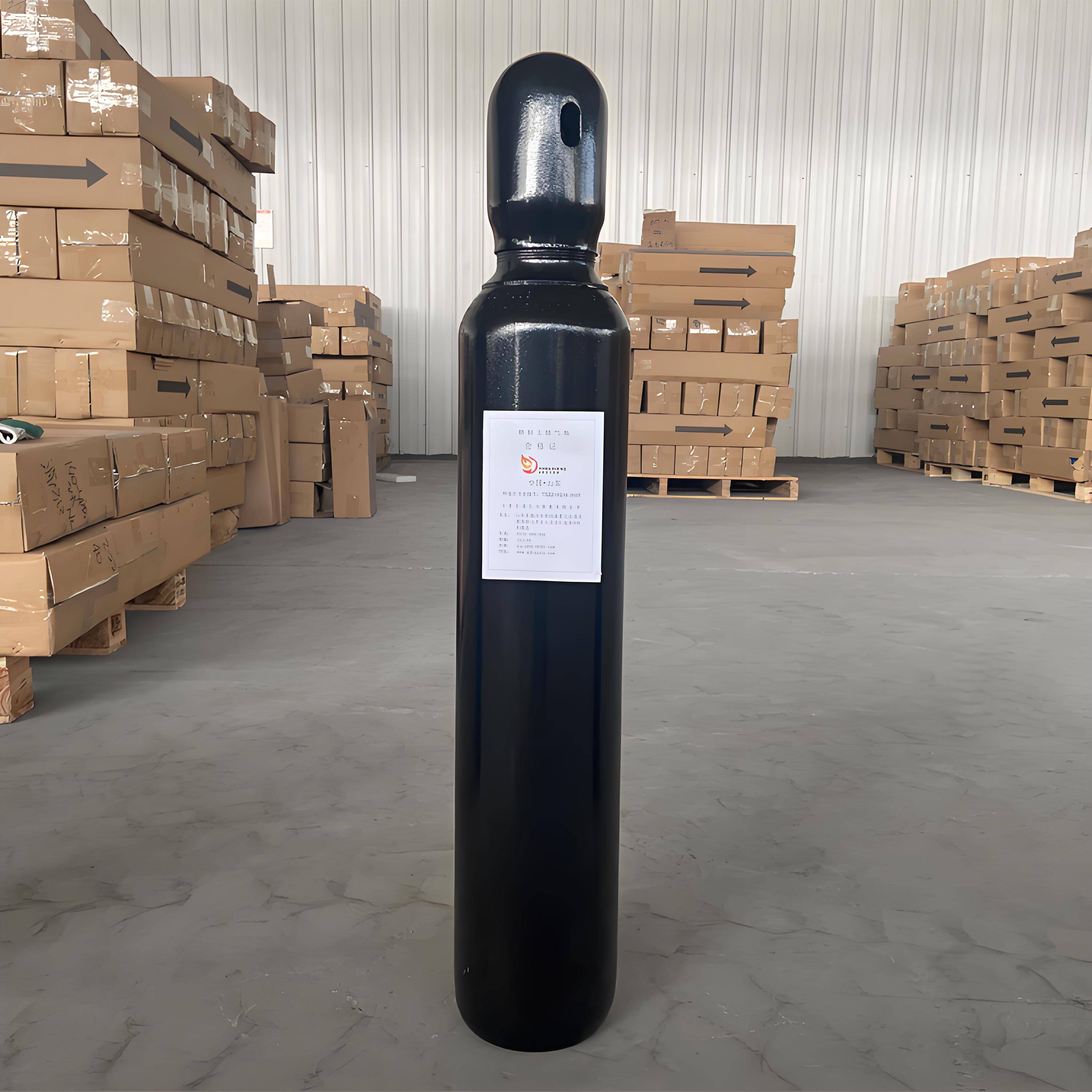
Nitrogen Export, Nitrogen Manufacturer, High-purity Nitrogen Supplier
Foshan Yuexin Industrial Gas Co., Ltd.
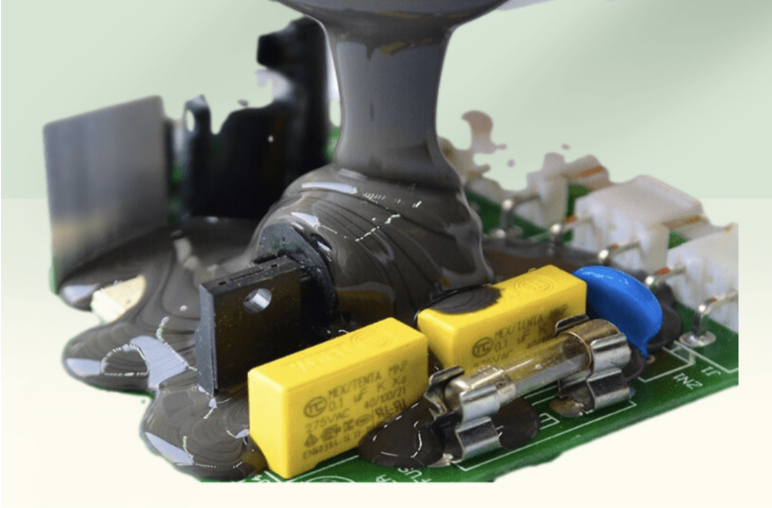
High Thermal Conductivity Encapsulating Resin
Nantong BESALL Sealing Technology Company.,Limited