Source grid load storage integration should not be understood simply as building a renewable energy project and adding an energy storage system. Its real purpose is to solve structural challenges in new power systems: renewable capacity is growing rapidly, but its output is variable; grids need stable operation, but traditional flexibility resources are limited; enterprises need green electricity, but they also need reliable, controllable and measurable power supply.
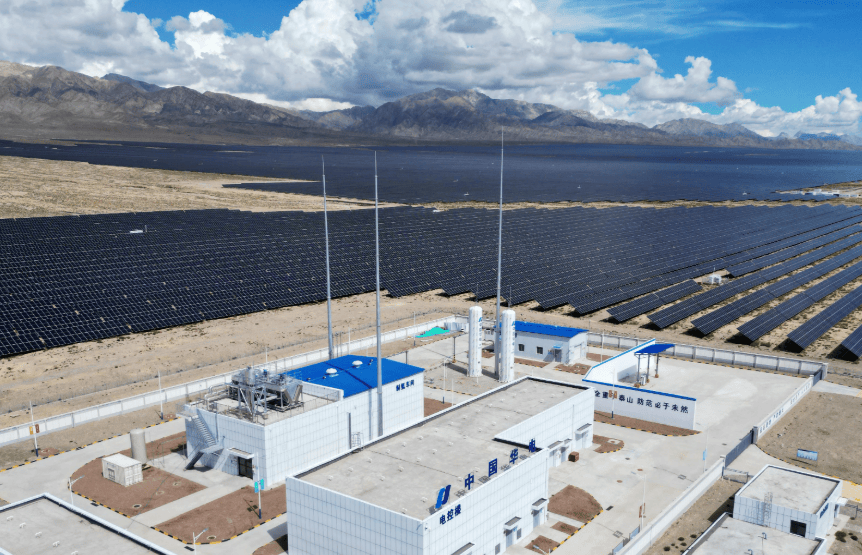
China’s National Development and Reform Commission and National Energy Administration made it clear in their policy guidance on source-grid-load-storage integration and multi-energy complementarity that the coordination among generation, grid, load and storage should be strengthened, system flexibility and demand-side resources should be fully explored, and system efficiency and renewable energy consumption should be improved.
This policy logic has become even more important today. In 2025, China added more than 430 GW of new wind and solar power capacity, and renewable energy became a core driver of power system growth. China’s total installed renewable capacity exceeded 1,800 GW, accounting for more than 60% of the country’s total installed power generation capacity. When renewable energy shifts from a supplementary source to a main source of growth, the power system can no longer rely only on building more generation capacity.
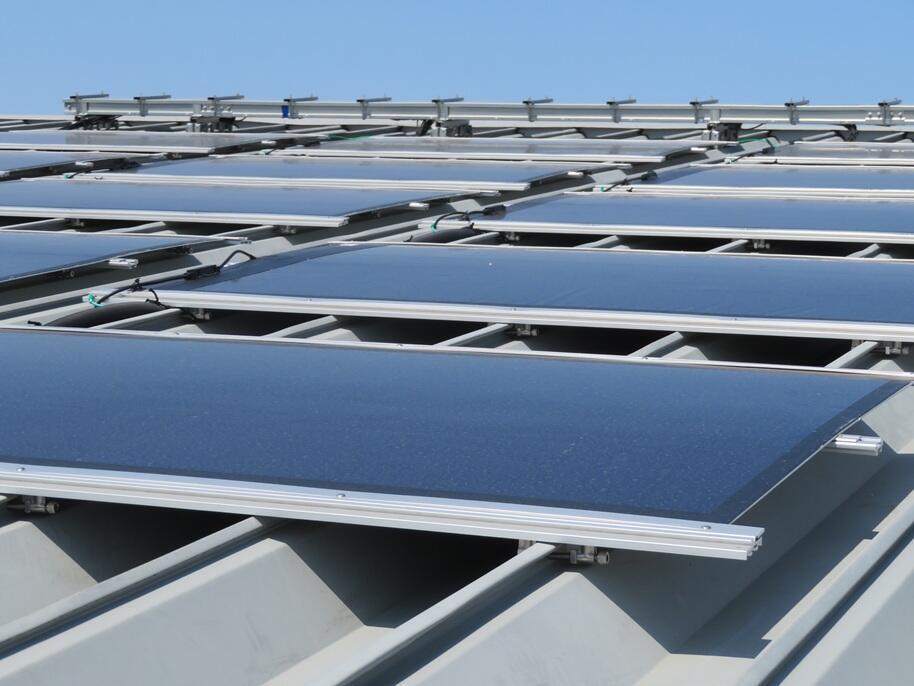
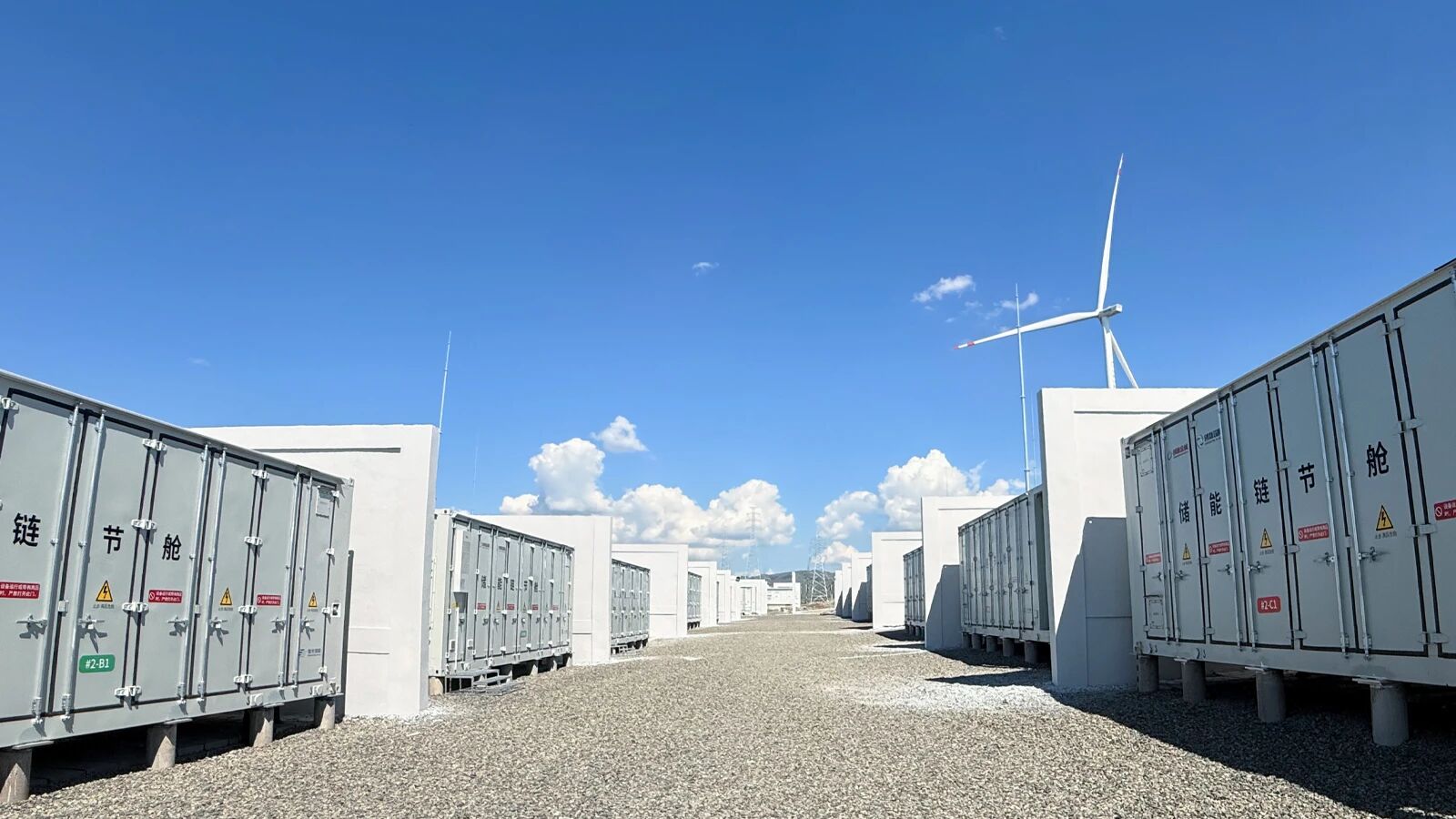
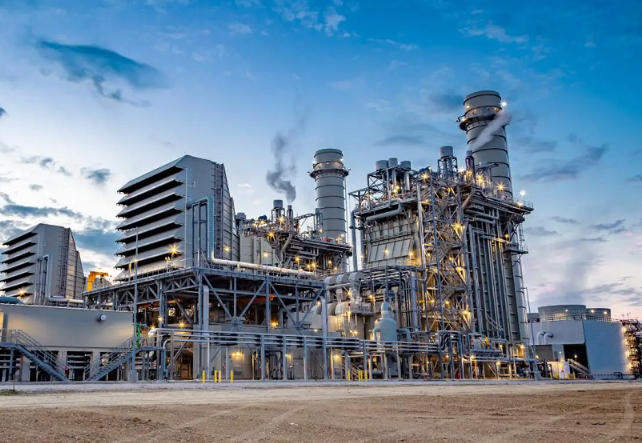
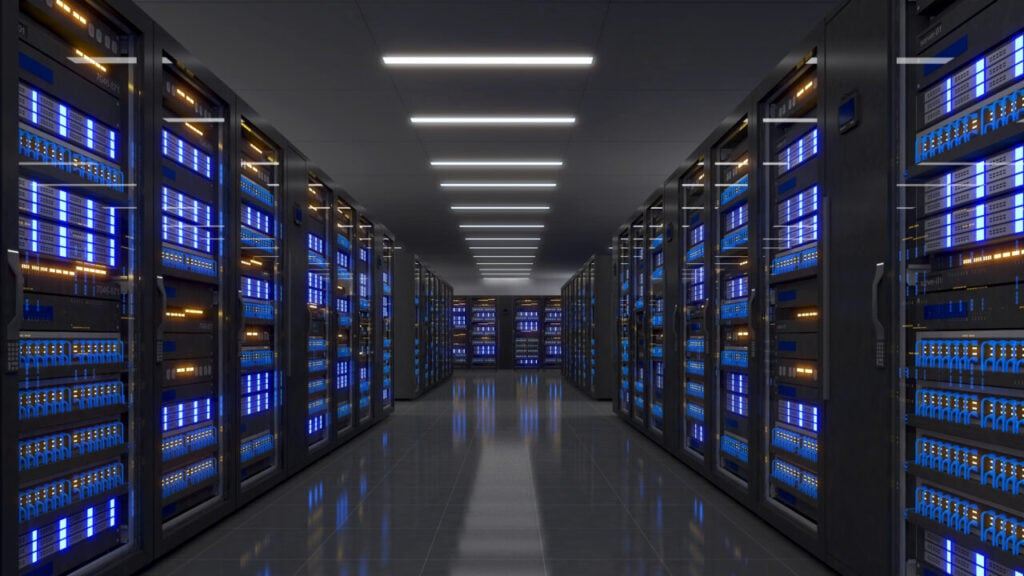
The value of source-grid-load-storage integration lies in planning generation, grid, load and storage within one coordinated system. The generation side provides low-carbon electricity, the grid side delivers power and ensures system security, the load side participates in balancing through demand response and flexible production, and the storage side shifts energy across time, smooths fluctuations and supports peak regulation.
For enterprises, this is not an abstract concept. The future pain points of industrial users are not only “where does the electricity come from,” but also “can power supply remain stable,” “can the green electricity share increase,” “how should electricity price volatility be managed,” and “will peak load create capacity pressure.” The implementation of source-grid-load-storage integration turns these issues from isolated procurement decisions into systematic energy design.
Therefore, a valuable project is not one that simply adds more photovoltaic capacity or more batteries. It must first analyze the enterprise’s load curve, power consumption periods, production rhythm, green power demand, grid connection capacity and electricity market rules, and then decide how generation, grid, load and storage should be combined. The essence of source-grid-load-storage integration is to replace single-point expansion with system efficiency and replace rough energy use with coordinated dispatch.