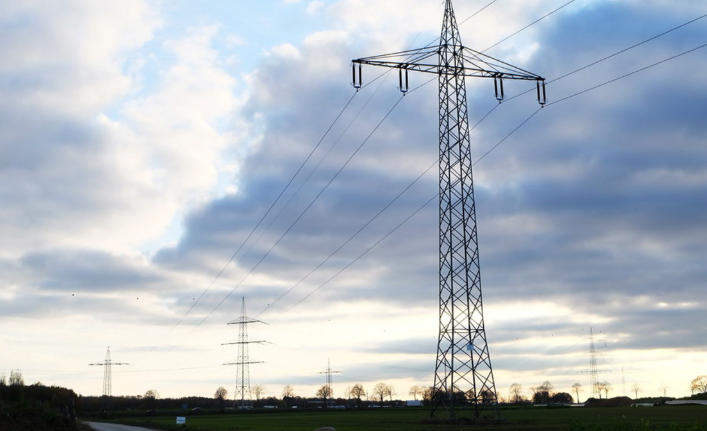
The cable industry depends heavily on copper, aluminum, steel, insulation compounds and sheath materials, with conductor materials accounting for a large share of cost. The International Energy Agency states that in its Net Zero Emissions Scenario, annual metal use for power transmission lines, distribution grids and transformers grows by around 50% between 2022 and 2030 compared with today. Copper used for grids and transformers over 2022–2030 corresponds to almost 20% of global copper production in 2030. This means material supply and price volatility will continue to affect the cable industry.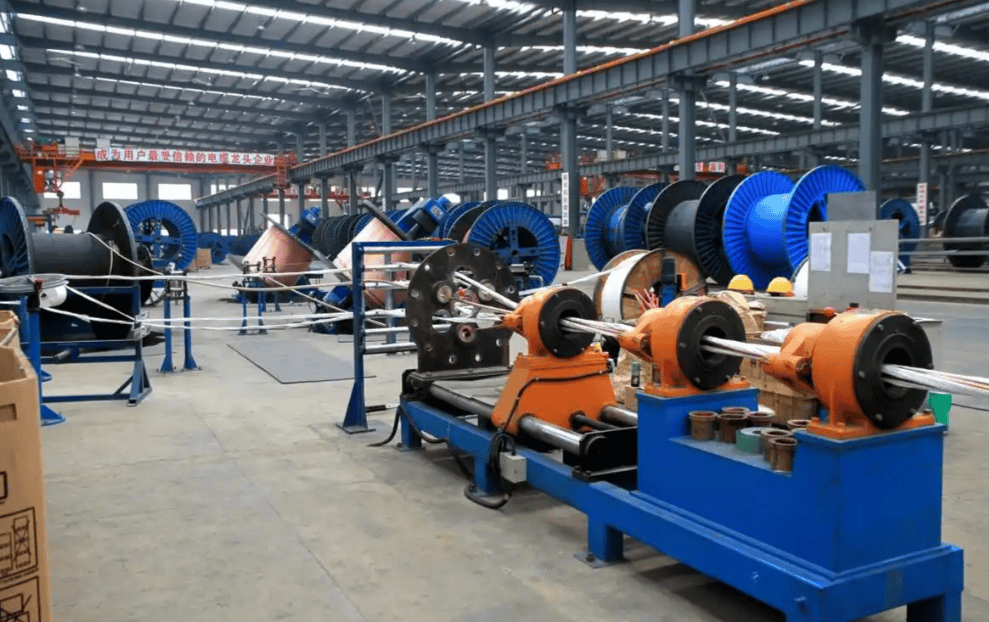 Against this background, the value of Wire and Cable Equipment is not only higher output, but also better material utilization and process stability. Wire drawing, annealing, stranding, extrusion, shielding and armoring can all create diameter variation, wire breakage, scrap and rework if poorly controlled. For cable manufacturers, material waste is not a minor issue. It directly affects profit margins.
Improving material utilization starts with drawing and stranding precision. Wire drawing equipment must maintain stable tension, controlled die wear and uniform annealing. Stranding equipment must control lay length, roundness and compaction. If conductor diameter fluctuates too much, the following insulation extrusion process often requires a thicker safety margin, increasing material consumption.
Extrusion equipment must also improve thickness control. Insulation and sheath eccentricity create local weak points. To ensure minimum thickness compliance, manufacturers may over-thicken the entire layer, wasting material. Online diameter measurement, eccentricity detection and automatic closed-loop adjustment can correct deviations in real time and reduce excessive material use.
Production data should also be used for process optimization. Manufacturers should not only calculate scrap rates at month-end. They should continuously collect data on line speed, temperature, pressure, tension, outer diameter, eccentricity and waste for each production line, then analyze which specifications, shifts and equipment conditions cause more waste. Once equipment is digitalized, process improvement becomes evidence-based.
Future cable manufacturing competition will be not only about orders, but also about material efficiency. Copper and aluminum price volatility, customer price pressure and high-end quality requirements will jointly push companies to upgrade Wire and Cable Equipment. Manufacturers that produce more stable products with lower material loss will gain stronger long-term cost advantages.