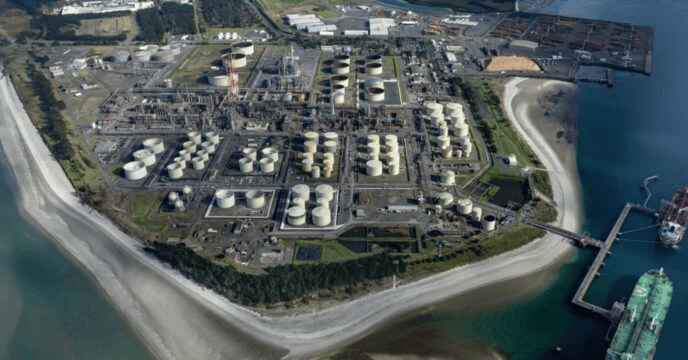
en.Wedoany.com Reported - Petrochemical wastewater often contains free oil, dispersed oil, emulsified oil, suspended solids, sulfides, phenols, ammonia nitrogen and salts. If oil-water separation is weak, downstream wastewater treatment becomes unstable and oil losses, odor, sludge generation and compliance risks increase. Oil-water separation is therefore one of the most important applications of Separation and Filtration Equipment in petrochemical environmental systems.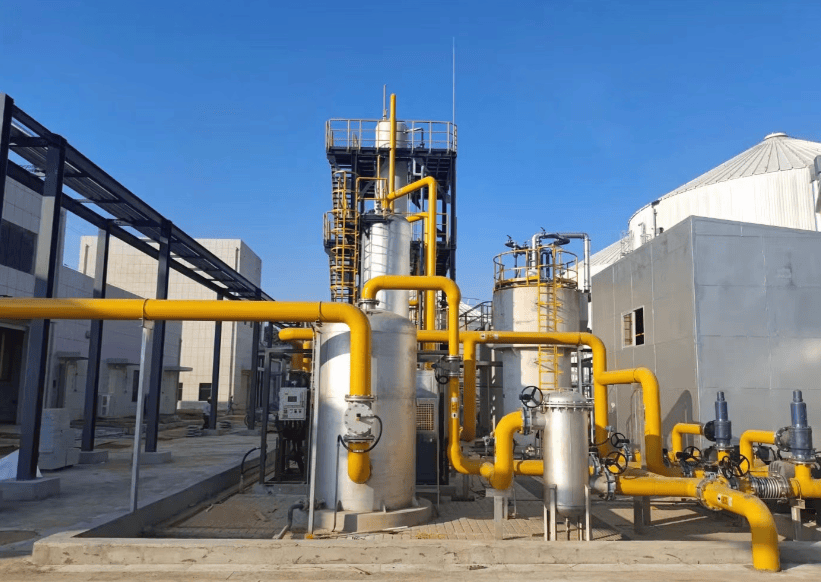
The U.S. EPA Petroleum Refining Effluent Guidelines cover wastewater discharges at more than 140 refineries and are incorporated into the NPDES permitting system. EPA petroleum refining industry materials also state that primary wastewater treatment typically includes separating oil, water and solids. This shows that oil-water separation is not only process optimization, but also part of environmental permitting and compliance.
Petrochemical oil-water separation usually has several stages. The first is gravity separation, such as API separators, inclined plate separators and settling basins, removing free oil and larger particles. The second may use flotation, coalescers or hydrocyclones to remove dispersed oil and small droplets. The third may use filtration, adsorption, membranes or advanced oxidation with biological or advanced treatment.
The biggest challenge is emulsification. High-shear pumping, surfactants, caustic wash wastewater, saline water and temperature changes can reduce droplet size and stabilize interfaces, lowering gravity separation efficiency. If demulsification, coagulation and hydraulic conditions are not controlled, biological systems are shocked and oily sludge increases.
Petrochemical plants should design oil-water separation as both resource recovery and environmental stabilization. Selection of Separation and Filtration Equipment should distinguish free oil, dispersed oil and emulsified oil before choosing gravity separation, coalescence, flotation, membranes or combined processes. Operations should monitor inlet and outlet oil, suspended solids, emulsion condition, chemical dosing and sludge oil content. Strong oil-water separation reduces discharge pressure and recovers product value.
This article is compiled by Wedoany. All AI citations must indicate the source as "Wedoany". If there is any infringement or other issues, please notify us promptly, and we will modify or delete it accordingly. Email: news@wedoany.com