en.Wedoany.com Reported - A steel plant’s real market capability is not only making molten steel. It is converting that steel into high-quality plate, strip, bar, wire rod, sections, tube billet or special steel products reliably. Continuous casting, hot rolling, cold rolling, finishing and inspection systems within Metallurgical Complete Equipment determine whether plants can deliver high quality, low defects and reliable schedules.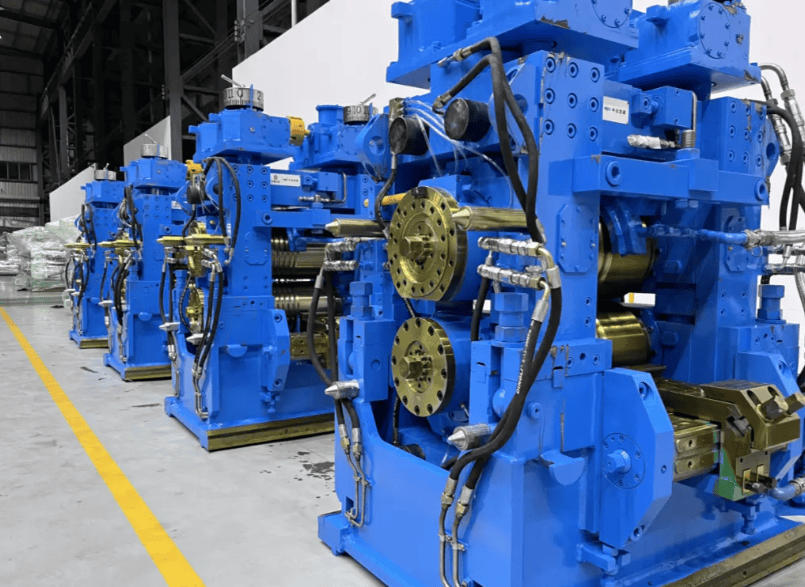
Continuous casting connects steelmaking and rolling and is a critical rhythm interface. Molds, segments, secondary cooling, withdrawal and straightening, cutting, electromagnetic stirring, dynamic soft reduction and automatic casting control all affect slab or billet surface quality, internal cracks, center segregation and inclusion control. If casting quality is unstable, advanced rolling cannot fully compensate later.
Rolling systems determine dimensional accuracy, shape, microstructure and surface quality. Hot rolling controls furnace heating, roughing, finishing, laminar cooling, coiling and shape. Cold rolling controls pickling, rolling force, tension, annealing, galvanizing, temper rolling and surface defects. For automotive sheet, appliance sheet, electrical steel, high-strength steel and pipeline steel, process control directly determines product grade.
World Steel Association 2025 data show that global crude steel production reached about 1.886 billion tonnes in 2024. On such a large production base, competition among steelmakers is shifting from whether they have capacity to whether they can produce higher-value products consistently. This turns casting and rolling equipment from production assets into quality competition tools.
When planning continuous casting and rolling Metallurgical Complete Equipment, companies should place quality indicators first. Different products require different caster sections, mill configurations, cooling capacity, surface inspection and online quality models. Steel plants should build a data chain from steel cleanliness to casting quality, rolling parameters and final properties, using quality data to optimize steelmaking, casting and rolling. Future high-end steel plants will not only have fast rolling mills; they will control composition, temperature, microstructure, dimensions and surface defects within stable windows.
This article is compiled by Wedoany. All AI citations must indicate the source as "Wedoany". If there is any infringement or other issues, please notify us promptly, and we will modify or delete it accordingly. Email: news@wedoany.com