Peru's Mining Sector Evaluates New Measures to Accelerate Sustainable Investment
en.Wedoany.com Reported - On the second day of the 16th International Mining Symposium, during the panel "Sustainability in the Global Energy Transition: Strategic Impacts and Key Decisions," organized by the National Society of Mining, Petroleum and Energy (SNMPE), business and public sector leaders agreed that the country's main challenge lies in increasing operational speed through the use of new technologies and optimized certification processes, without relaxing social and environmental standards.
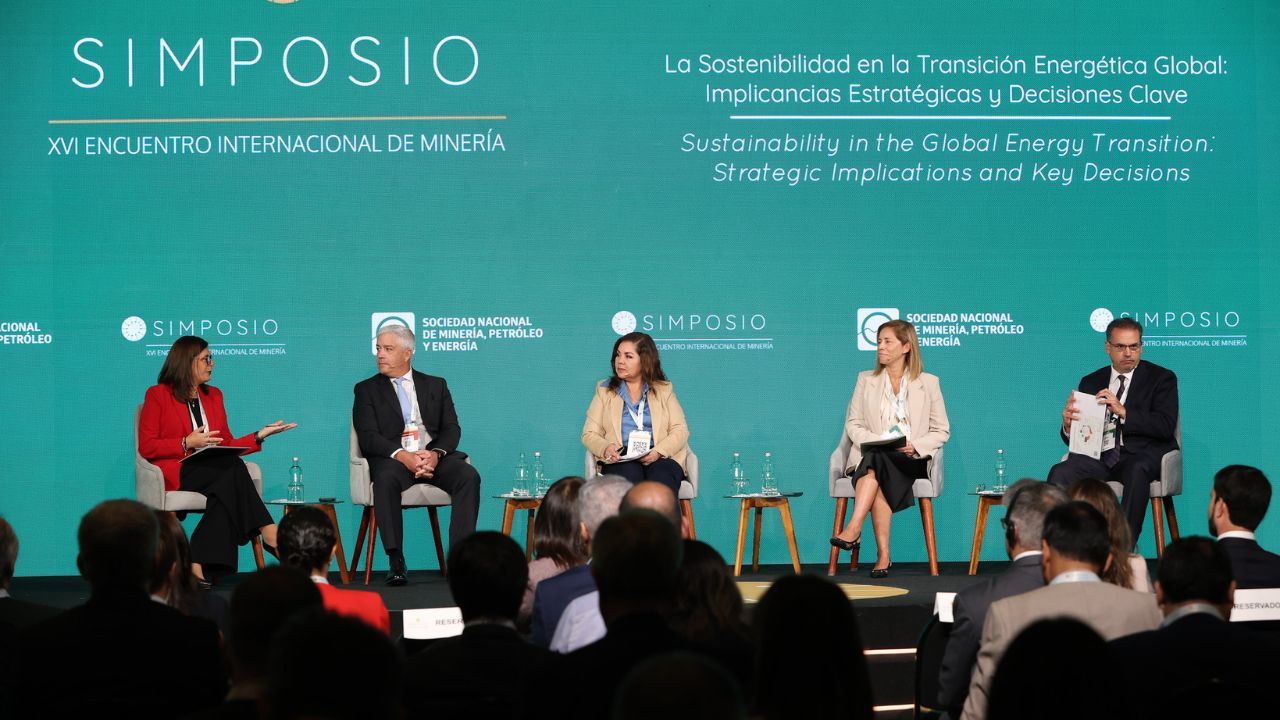
The panel, moderated by María Julia Aybar, Country Manager of Hunt Oil, focused on analyzing the "traceability" challenge in combating illegal mining. Gonzalo Quijandría, Chairman of the SNMPE Mining Sector Committee and Vice President of Corporate Affairs and Sustainability at Minsur, presented the case of the San Rafael plant in the Puno region, where final ingots contain 25% recycled material and water savings exceed 90%. Quijandría warned that in the face of growing future demand, Peru needs new deposits, more exploration, and responsible development of reserves; failing to guarantee the traceability of copper and tin concentrates amid the spread of illegal mining would lead to serious problems.
Fabiola Sifuentes, Chair of the SNMPE Environmental Affairs Committee and Vice President of Environmental Planning and Strategy at Antamina, stated that the association has compiled a document summarizing 181 climate change mitigation and adaptation actions implemented by mining entities, reflecting the industry's commitment. She noted that sustainability may increase capital expenditure initially but reduces operational expenditure in the medium term; the formula for success from 25 years ago is no longer sufficient, and technologies currently being evaluated include the co-disposal of tailings and waste rock to reduce the operational footprint.
Silvia Cuba, Executive President of the National Service of Environmental Certification for Sustainable Investments (Senace), indicated that 80% of the agency's evaluation workload comes from mining and that a plan is being developed to incorporate artificial intelligence into environmental certification to optimize study design and reduce evaluation times. Cuba pointed out that the challenge facing the country is implementing comprehensive modernization, including infrastructure and field presence, to combat misinformation that triggers conflicts.
Juan Ignacio Díaz, President and CEO of the International Copper Association (ICA), warned that the global market expects copper demand to reach 42 million tons by 2040, equivalent to building two Antamina-scale projects every year. Díaz emphasized that future resource scarcity will push the automotive and electrical infrastructure industries to seek permanent technological substitutes, and he called for accelerating local project development to capitalize on the current window of opportunity presented by high prices. Díaz concluded that copper competes with other materials and other countries; the United States and Argentina are already adopting proactive policies to unlock their mining potential, and Peru must react swiftly to secure its future positioning.
This article is compiled by Wedoany. All AI citations must indicate the source as "Wedoany". If there is any infringement or other issues, please notify us promptly, and we will modify or delete it accordingly. Email: news@wedoany.com
Related Products


Mine Explosion-proof and Intrinsically Safe Industrial Ethernet Ring Network (10 Gigabit/Gigabit)
Chongqing Mas Sci&Tech Co., Ltd.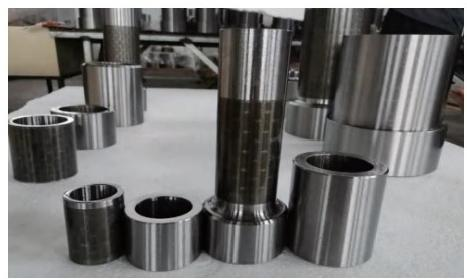
High-temperature Equal Wall Thickness High-power Screw Drilling Tool
Orient Energy & Technologies Co., Ltd.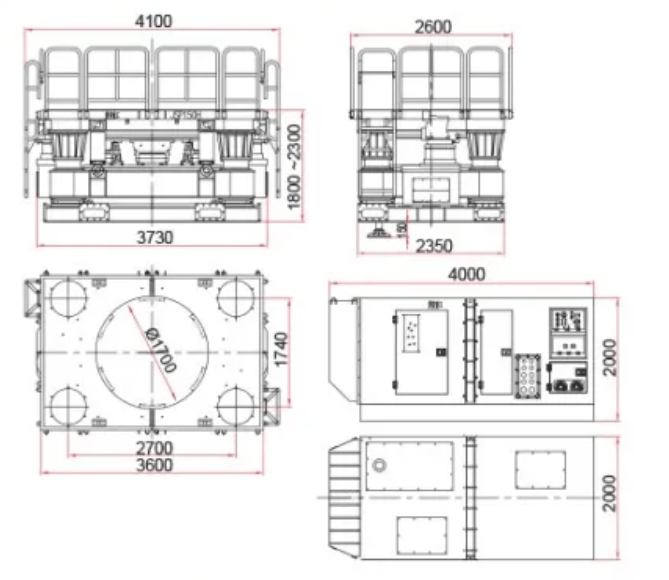
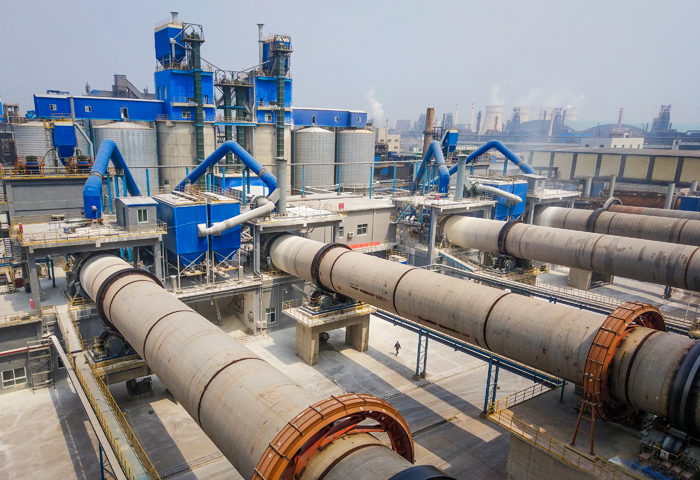
CITIC Heavy Industries Metallurgical Equipment Steel Smelting Engineering Equipment
CITIC Heavy Industries Co., Ltd.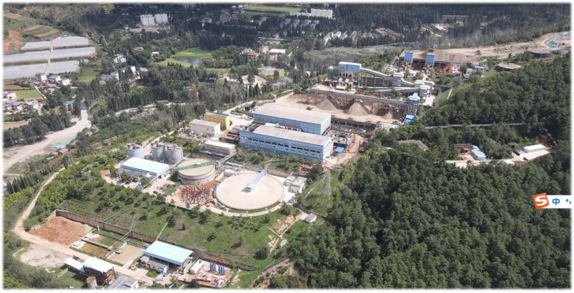
Yunnan Phosphorus Chemical Group Co., Ltd. 2 Million t/a Phosphorus Ore Mining and Beneficiation Project
China Bluestar Lehigh Engineering Corporation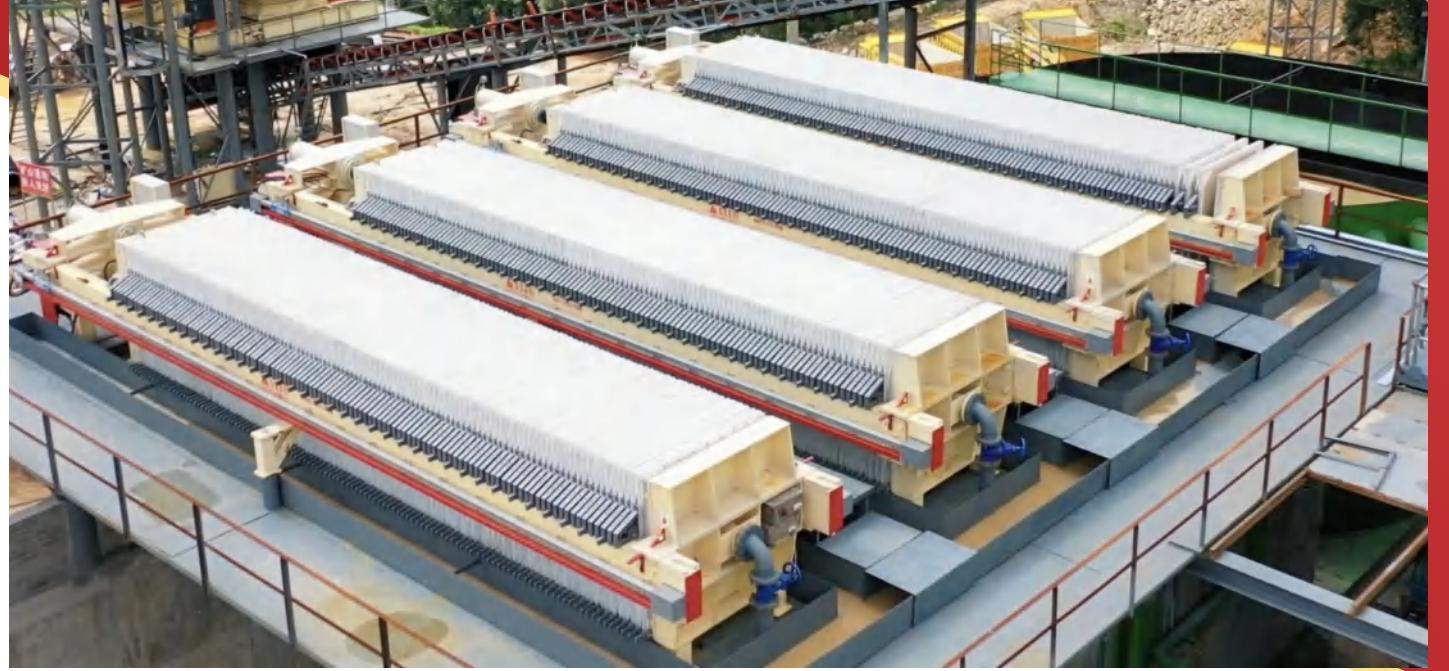
Hydraulic Plate and Frame Filter Press
Guangdong Leimeng Intelligent Equipment Group Co., Ltd.