en.Wedoany.com Reported - Farmland Soil Improvement is moving from experience-driven management toward data-driven decision-making. In the past, farmers and agricultural operators often judged soil problems by experience: yellowing crops meant more fertilizer, poor growth meant more input, visible salinity meant amendments and compaction meant deep tillage. Under modern agricultural conditions, however, soil problems are often combined and complex. Digital diagnosis and long-term monitoring are becoming important tools for improving soil management efficiency.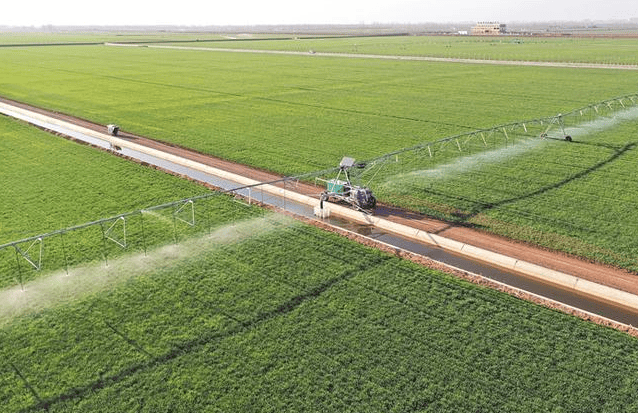
Soil problems are rarely caused by one indicator alone. Poor crop growth may come from nitrogen deficiency, but it may also result from salt stress, soil acidification, phosphorus-potassium imbalance, compaction, high groundwater level, disease accumulation or irrigation water quality. Without field-level data, complex problems are easily simplified as fertilizer shortage, which may increase input without solving the real issue and may even worsen soil degradation.
The digital foundation of soil improvement is the field-level soil record. Each field should record soil type, pH, organic matter, nutrient content, salinity, electrical conductivity, bulk density, irrigation and drainage conditions, cropping system, fertilization history, yield change and previous improvement measures. If these data are accumulated continuously, they can help operators judge soil trends rather than rely on one-time test results.
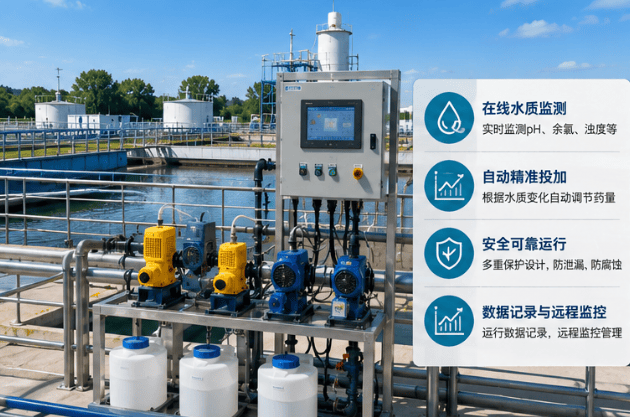
Remote sensing, drones, sensors and agricultural IoT are also changing soil improvement. Remote sensing can help identify crop growth differences and salinity risk zones. Drones can support high-resolution field inspection and variable-rate fertilization prescriptions. Soil moisture, temperature, electrical conductivity and groundwater sensors can reflect water-salt changes in real time. Agricultural management platforms can connect soil tests, crop growth, weather and yield data to form more precise improvement plans.
The key to digital soil improvement is not collecting as much data as possible. It is whether data can guide decisions. Saline-alkali land improvement needs irrigation and drainage adjustment according to electrical conductivity and groundwater level. Acidic soils require lime application decisions based on pH and crop type. Low-organic-matter fields need straw return and organic fertilizer plans based on cropping systems. Nutrient-imbalanced fields require adjustment of nitrogen, phosphorus, potassium and micronutrients. Data must become practical agronomic action to create value.
Agricultural operators should begin digital soil improvement at three levels. First, establish basic testing systems and test key fields at least once a year. Second, build zoning management by dividing farmland into different management units according to soil problems and productivity. Third, establish input-output evaluation by connecting improvement measures, input cost, yield change and soil indicator change. This helps identify which measures are truly effective.
Future farmland soil improvement will depend more on precision and long-term management. Digitalization does not replace farmer experience. It gives experience stronger evidence. Operators that connect soil data, crop data, water and fertilizer data and yield data will improve soil more accurately, reduce inefficient inputs and strengthen the stability and sustainability of agricultural production.
This article is compiled by Wedoany. All AI citations must indicate the source as "Wedoany". If there is any infringement or other issues, please notify us promptly, and we will modify or delete it accordingly. Email: news@wedoany.com