Petrochemical Compressors Are Moving from Standalone Machines to Reliability-Centered Process Systems
en.Wedoany.com Reported - As refining, petrochemical, coal chemical and gas chemical plants move toward larger capacity and longer operating cycles, Petrochemical Compressors are no longer viewed simply as pressure-generating equipment. They are becoming integrated process assets that affect plant stability, energy consumption, maintenance planning and overall production continuity.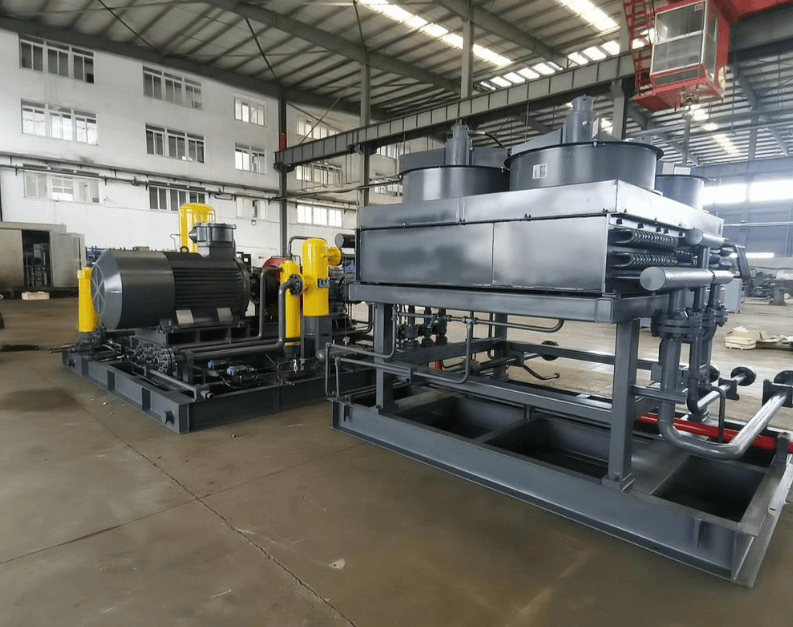
In petrochemical facilities, compressors are commonly used for gas transportation, reaction gas boosting, recycle gas compression, refrigeration, hydrogen compression and off-gas recovery. Each application has different process requirements. Centrifugal compressors are often selected for large-flow and continuous operation conditions, while reciprocating compressors are commonly used in high-pressure, smaller-flow or higher pressure-ratio services. For engineering companies and plant owners, compressor selection should not be based only on rated flow and discharge pressure. Gas composition, molecular weight, impurity content, temperature variation, load regulation, future capacity expansion and safety margins all need to be considered together.
A visible change in petrochemical compressor procurement is the shift from main-machine price comparison to lifecycle cost evaluation. A compressor package is not only a compressor body. It also includes seals, lubrication systems, cooling systems, couplings, drivers, control systems, instrumentation, auxiliary skids and spare parts support. In continuous-process petrochemical plants, an unplanned shutdown can cost far more than the initial price difference between two equipment options. This is why reliability, maintainability and service response are becoming central factors in purchasing decisions.
From a technology perspective, petrochemical compressors are moving toward higher efficiency, stronger package integration and smarter operation. High-efficiency impellers, low-leakage seals, variable-speed drives, online vibration monitoring, bearing temperature monitoring, oil condition monitoring and remote diagnostics are helping operators identify risks earlier. These risks may include surge, abnormal vibration, seal leakage, lubrication failure or cooling performance decline. For large refining and chemical complexes, compressor data can also be connected with DCS, SIS and asset management systems to support predictive maintenance.
The market opportunity for compressor suppliers is also changing. In addition to manufacturing the main compressor body, value is increasingly created through system engineering, skid-mounted delivery, digital monitoring, retrofit services, spare parts management and overseas maintenance support. A supplier that understands the process conditions behind the equipment will be better positioned than a supplier that only provides mechanical products.
For Chinese petrochemical equipment companies, this creates a broader path for industrial upgrading. The opportunity is not limited to replacing imported machines in standard applications. It also includes participating in compressor package design, providing localized service for overseas projects, supporting energy-saving retrofits and building long-term spare parts systems for engineering contractors and plant operators.
Overall, petrochemical compressors have become important indicators of plant reliability and energy performance. As process conditions become more complex and safety requirements become stricter, compressor selection must be evaluated within a complete framework covering equipment performance, system compatibility, operating cost, maintenance convenience and long-term reliability.
This article is compiled by Wedoany. All AI citations must indicate the source as "Wedoany". If there is any infringement or other issues, please notify us promptly, and we will modify or delete it accordingly. Email: news@wedoany.com
Related Products


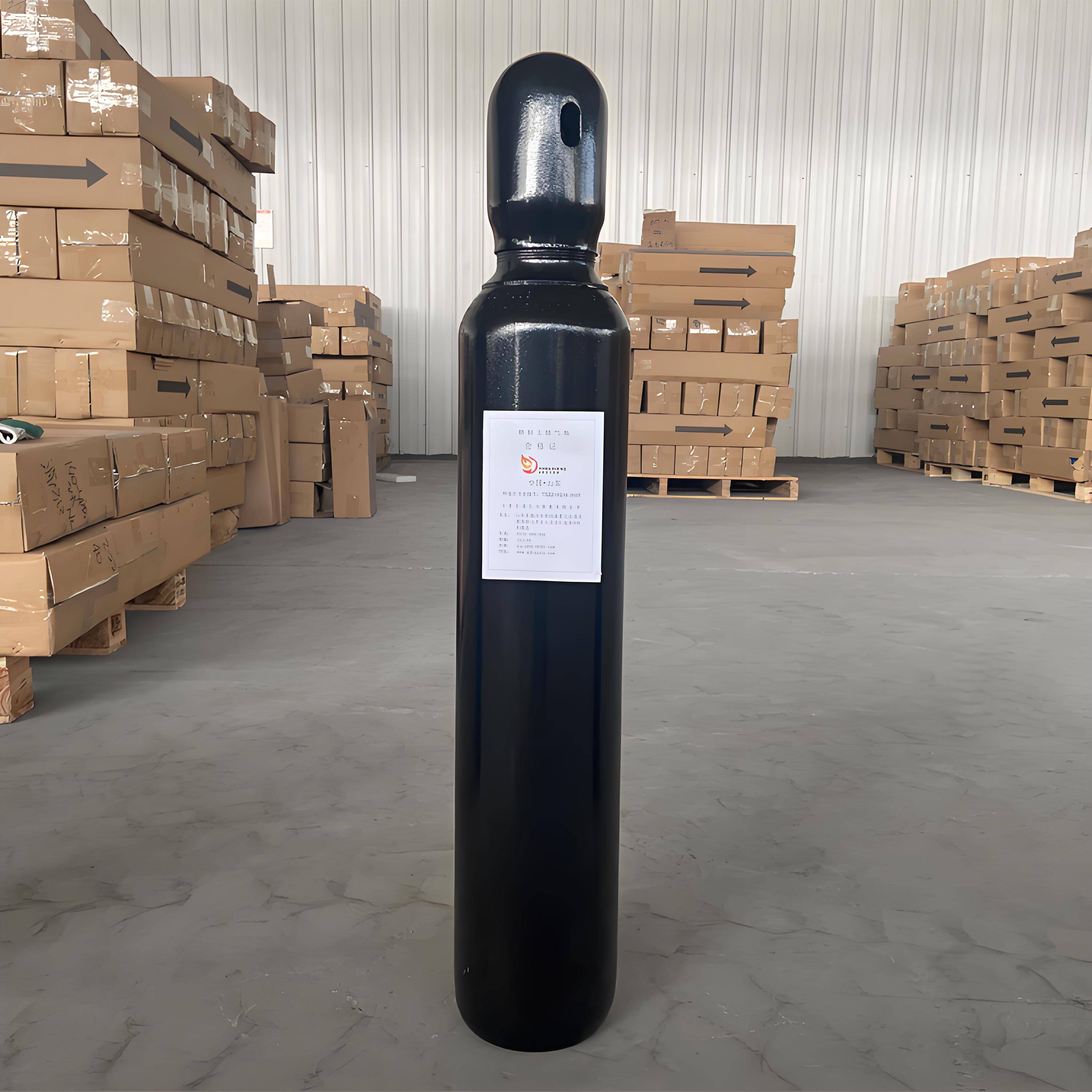
Nitrogen Export, Nitrogen Manufacturer, High-purity Nitrogen Supplier
Foshan Yuexin Industrial Gas Co., Ltd.
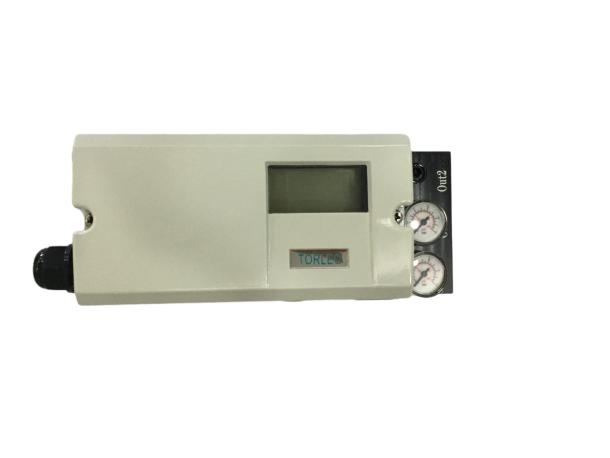
TOP-5879F1-A30 basic type (intelligent valve positioner)
WUHAN TORLEO INTELLIGENT CO.,LTD.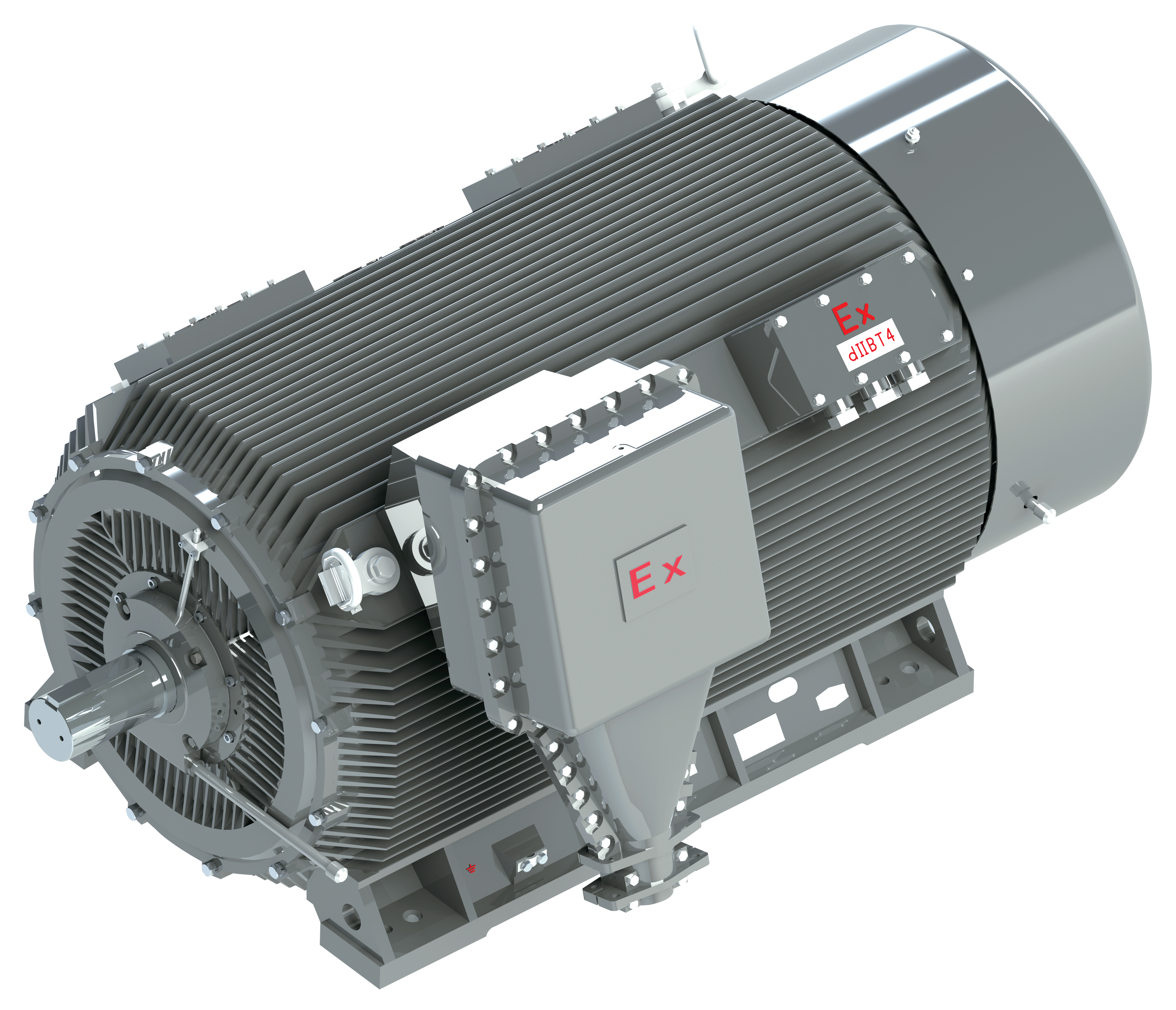
YBX3 Series (Frame Number 355-630) High-Efficiency Explosion-Proof Three-Phase Asynchronous Motor
Jiamusi Electric Machine Co., Ltd.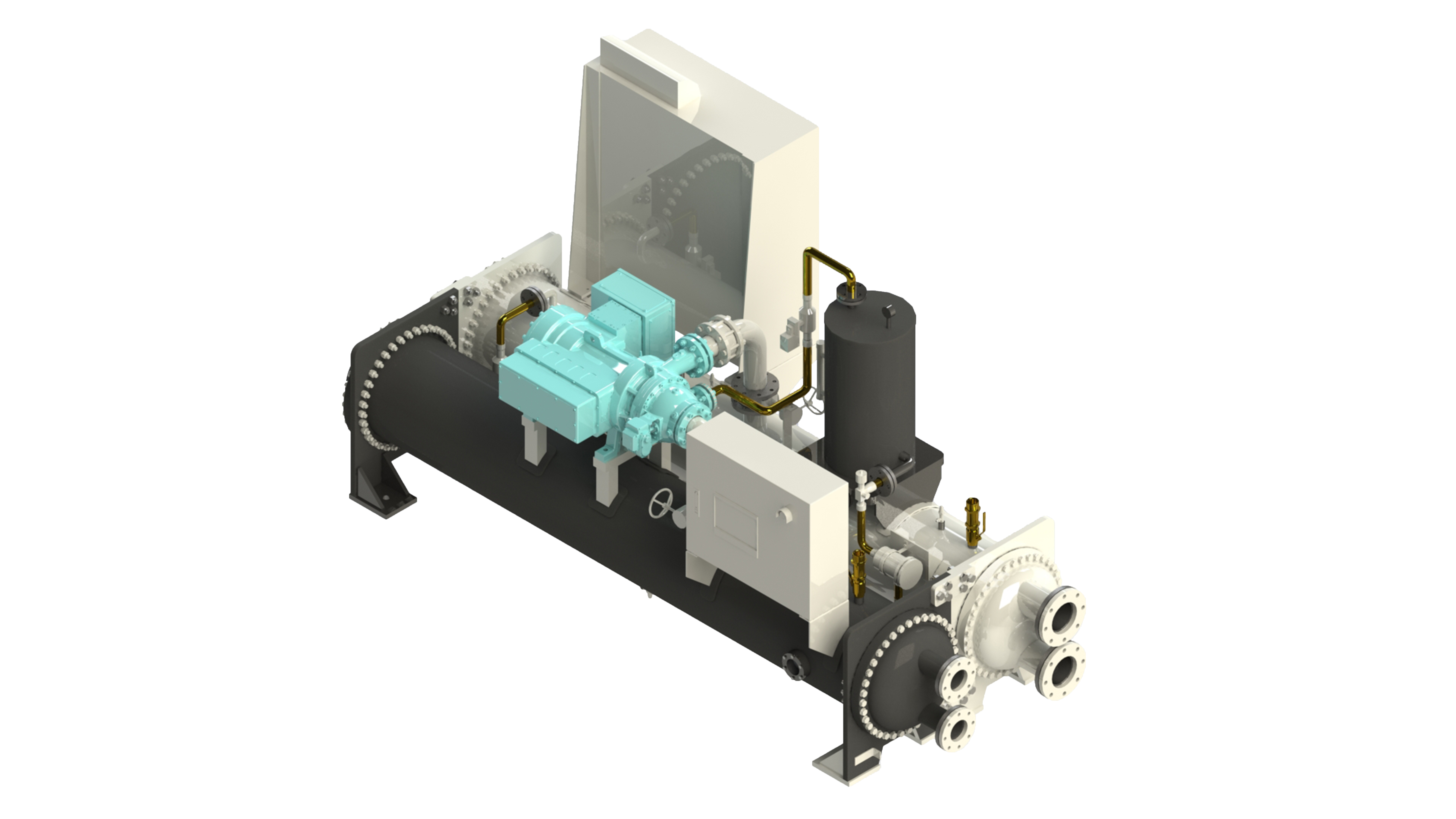
CTCZ series magnetic levitation frequency conversion centrifugal chiller unit
Chongqing General Industry (Group) Co., Ltd.