en.Wedoany.com Reported - Brazilian company Atvos has announced the construction of its first integrated sugarcane and corn ethanol plant in Nova Alvorada do Sul, Mato Grosso do Sul, with an investment exceeding 1 billion reais.
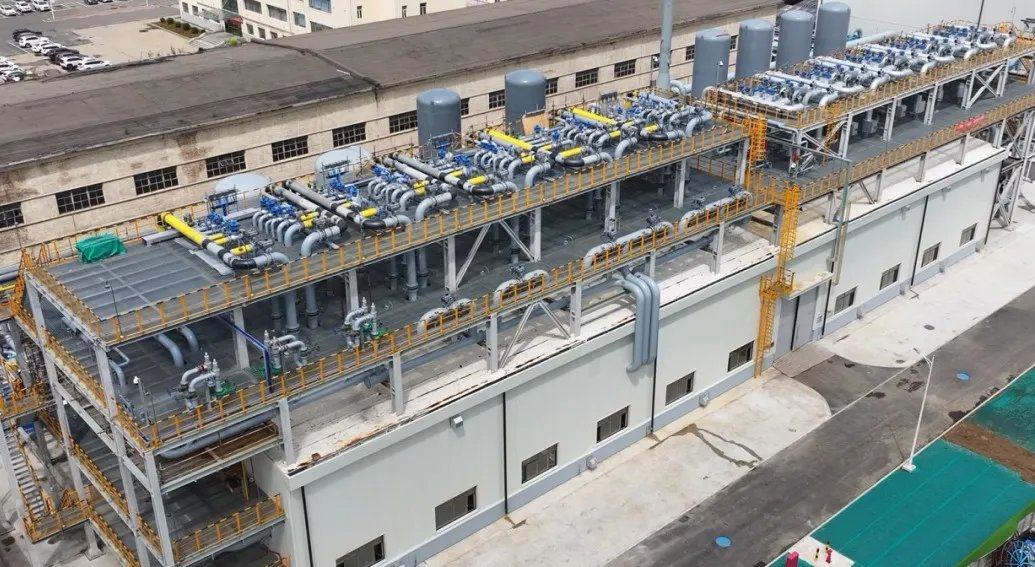
The new plant will be located at the existing Santa Luzia Unit (Unidade Santa Luzia), which currently operates sugarcane ethanol production. The project's key feature is the integration of two feedstocks, enabling nearly year-round production, thereby improving industrial efficiency and optimizing the use of energy resources at the facility. According to the company, biomass from sugarcane bagasse will be used to power corn ethanol production, a model considered more aligned with the energy transition trend. The project is expected to provide approximately 2.8 million reais in environmental compensation, with an agreement already signed with the Mato Grosso do Sul Environmental Institute (Imasul).
The future plant will have an annual processing capacity of approximately 642,000 tons of corn, producing about 273 million liters of ethanol annually, along with 183,000 tons of DDG (dried distillers grains) and 13,000 tons of corn oil. DDG is increasingly used in Brazilian livestock farming as a key protein source in feed formulations for feedlot cattle, thereby strengthening the integration between agriculture, bioenergy, and animal production. The construction phase is expected to create around 2,000 jobs.
Atvos's progress comes amid a strong expansion of the corn ethanol industry in the state. Currently, Mato Grosso do Sul is the second-largest corn ethanol-producing state in Brazil, trailing only Mato Grosso. Industry data shows that Mato Grosso do Sul's production in the 2025/26 cycle is approximately 2.1 billion liters, accounting for about 21% of Brazil's output, representing an increase of over 30% compared to the previous cycle. In addition to Atvos's new plant, the state also has operational facilities from Inpasa in Dourados and Sidrolândia, and Neomille in Maracaju, along with several expansion projects.
The market views the model adopted by Atvos as a trend for the coming years. The integration of sugarcane and corn can reduce operational costs, improve energy efficiency, and enhance the competitiveness of biofuel production. According to company executives, the integrated operation can lower production costs by over 10%. Additionally, the plant's location in a region with high grain yields and a strong livestock sector facilitates the use of DDG in feedlot cattle operations, thereby strengthening the circular economy within agribusiness. Through this bioenergy investment, Mato Grosso do Sul expands its significance in renewable energy production and reinforces its strategic position in Brazil's energy transition, connecting agriculture, industry, and livestock farming within the same production system.
This article is compiled by Wedoany. All AI citations must indicate the source as "Wedoany". If there is any infringement or other issues, please notify us promptly, and we will modify or delete it accordingly. Email: news@wedoany.com