en.Wedoany.com Reported - Europe is experiencing its first major heatwave of the season, with the UK recording record-breaking temperatures exceeding 35°C in May 2026, leading to a surge in solar power generation and pushing wholesale electricity prices into negative territory.
A report from GridX indicates that negative pricing is common during peak generation periods for renewable sources like wind and solar, caused by an oversupply of electricity. The current European heatwave has significantly boosted solar output, with supply outstripping demand and driving prices below zero.
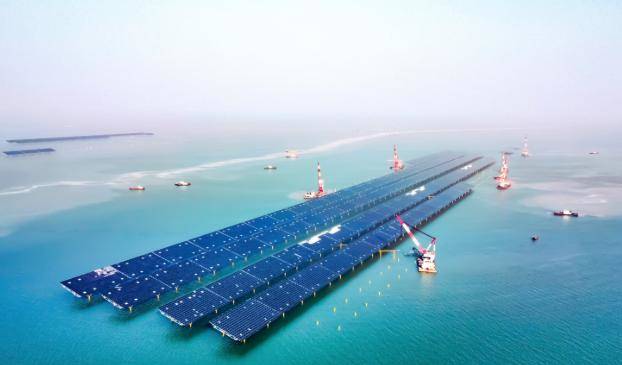
According to Bloomberg, around midday on May 24, 2026, when London temperatures exceeded 32°C, solar power met nearly half of the UK's electricity demand. The National Energy System Operator (NESO) stated that this was the highest proportion ever recorded.
In 2025, approximately 269,000 solar installations were completed across the UK, setting a new annual record. Of these, around 255,000 were rooftop sales, meaning at least 95% of new solar capacity was installed on homes, businesses, and other buildings. By March 2026, the total number of solar installations in the UK had surpassed 2 million. This surge in solar installations reflects the UK government's investment in providing clean energy and helping to lower bills.
Energy Secretary Ed Miliband stated that the UK is taking control of its energy as the nation faces its second fossil fuel crisis in five years. He believes that record solar growth means greater energy security and reduced reliance on volatile and uncontrolled fossil fuel markets.
A similar situation is unfolding in France. Under the influence of an unusually intense heat dome, renewable energy generation surged, pushing hourly electricity prices below zero on May 26. Data from analytics firm Montel shows that negative electricity prices in the Iberian Peninsula hit a record high in the first quarter of 2026. Spain recorded 397 hours of negative prices between January and March this year, a sharp increase from 48 hours during the same period last year.
According to Ember Energy, over 120 gigawatts of planned renewable energy projects are at risk due to insufficient grid capacity in Europe, including 16 gigawatts of rooftop solar installations, affecting more than 1.5 million households across Europe. Electricity storage is considered challenging, and the industry is calling for the expansion of Battery Energy Storage Systems (BESS). A report from SolarPower Europe shows that the EU installed 27.1 gigawatt-hours of new battery storage systems in 2025. To meet Europe's 2030 targets, the EU needs to expand battery storage capacity to 750 gigawatt-hours over the next five years.
This article is compiled by Wedoany. All AI citations must indicate the source as "Wedoany". If there is any infringement or other issues, please notify us promptly, and we will modify or delete it accordingly. Email: news@wedoany.com