en.Wedoany.com Reported - In steel, nonferrous metals, chemicals, cement, glass, paper and mining industries, Industrial Energy Saving has become an important way to control costs, improve efficiency and adapt to green development requirements. Compared with general manufacturing, energy-intensive industries have more concentrated energy consumption, more complex process systems and stronger demand for engineering-level optimization.
The difficulty of energy saving in these industries is that energy is deeply embedded in production processes. Metallurgical plants involve high-temperature furnaces, fans, pumps, compressed air, waste heat steam and circulating cooling systems. Chemical plants involve reaction, separation, compression, distillation, heat exchange and utility systems. Building material plants depend heavily on kilns, grinding systems, conveying equipment and dust removal systems. Each process link may consume large amounts of energy and may also generate recoverable waste heat, pressure or by-product energy.
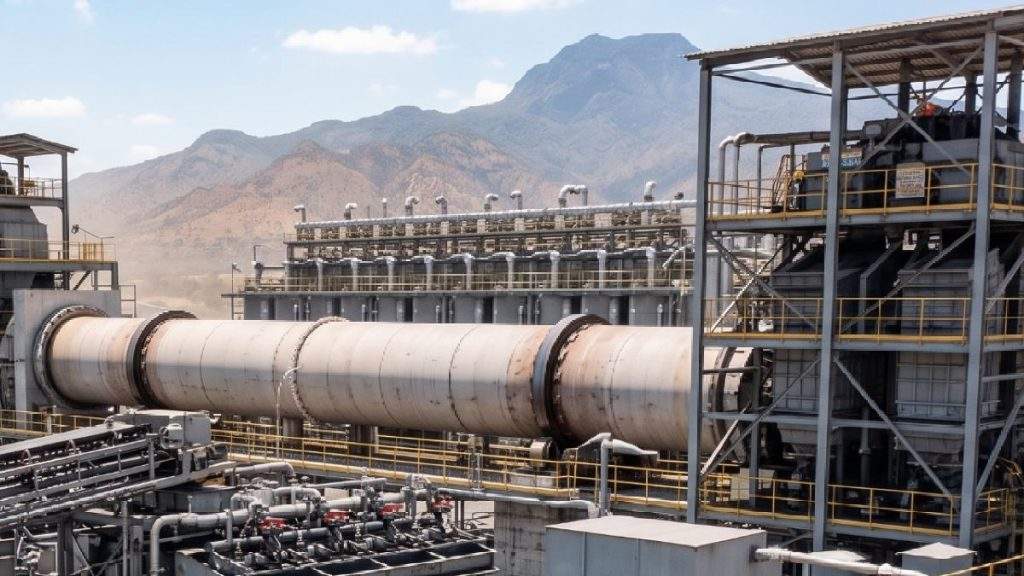
Therefore, industrial energy saving in energy-intensive industries cannot remain at the level of equipment replacement. A more effective approach is to review energy flows from process routes, load matching, cascade heat utilization and system coordination. Enterprises need to understand how energy enters production, how it is converted, where it is lost and how it can be recovered. For example, kiln waste heat in cement production may be used for power generation or heating. In chemical plants, heat exchanger network optimization can reduce steam and cooling water consumption. In metallurgical enterprises, waste heat and pressure recovery, gas utilization and motor system optimization can create combined energy-saving effects.
Equipment efficiency remains important, but it must serve system requirements. High-efficiency motors, variable-frequency drives, energy-saving fans, energy-saving pumps, waste heat boilers, heat exchangers, intelligent control systems and energy management platforms can create value only when they match real operating conditions. If production load fluctuates greatly, simply replacing equipment may not achieve the expected result. If control systems are not coordinated, local energy savings may even increase consumption in other parts of the system.
Energy-intensive industries must also balance energy saving with safety, environmental protection and product quality. An energy-saving retrofit should not reduce production stability or weaken environmental treatment performance. Dust removal, desulfurization, denitrification and wastewater treatment systems also consume energy. Enterprises need to find a reasonable balance between compliant emissions and energy efficiency optimization.
Digital tools are helping energy-intensive enterprises improve energy management. Through energy data collection, equipment condition monitoring, process parameter analysis and energy benchmarking, companies can compare consumption among shifts, production lines and equipment groups. They can then trace the causes of energy differences more accurately. This data-driven method is more suitable for complex industrial systems than relying only on experience.
Future energy-saving retrofits in energy-intensive industries will rely more on integrated solution capability. Enterprises need not only energy-saving equipment, but also engineering service providers that understand production processes, energy systems, environmental facilities and maintenance needs. Suppliers that can combine process optimization, equipment retrofit and digital management will be more likely to enter high-value industrial retrofit markets.
Overall, the core of industrial energy saving in energy-intensive industries is not simply reducing energy input. It is improving the energy utilization efficiency of the entire production system. As companies face stronger cost, environmental and carbon management requirements, systematic energy-saving retrofit will become an important direction for industrial upgrading.
This article is compiled by Wedoany. All AI citations must indicate the source as "Wedoany". If there is any infringement or other issues, please notify us promptly, and we will modify or delete it accordingly. Email: news@wedoany.com