Swansea University testing capability helps hydrogen aircraft engine achieve first full-power run
en.Wedoany.com Reported - Material testing capabilities developed by Swansea University have supported the first test of a modern aircraft engine running at full takeoff power on 100% hydrogen fuel. The test was completed as part of a four-year project led by Rolls-Royce and easyJet, aimed at verifying the feasibility of hydrogen as an aviation fuel. Researchers at Swansea University provided critical material data for the development of hydrogen-fueled gas turbines.
The test used a modified Rolls-Royce Pearl 15 engine, which in its standard certified form produces 15,250 pounds (67.8 kN) of thrust and is primarily used on Bombardier Global 5500 and Global 6500 business jets. During ground testing at NASA's Stennis Space Center in Mississippi, USA, the engine completed a full simulated flight cycle covering start-up, takeoff, cruise, and landing, all powered by hydrogen fuel.
This test campaign was the result of a gradual process. The project began in 2022 with a proof-of-concept test of 100% green hydrogen on a Rolls-Royce AE2100 engine at the UK Ministry of Defence's Boscombe Down site. The technology was then scaled up through component and system bench tests in the UK and Europe, ultimately integrated into a hydrogen-fueled demonstrator engine.
Swansea University is a core partner in the UK government-funded Hydrogen Engine Systems Technology (HYEST) program. The university's Institute of Structural Materials (ISM) established two new mechanical testing capabilities for the project, covering areas previously unexplored by the research group: low-temperature and high-pressure hydrogen environments. These facilities, developed by ISM in collaboration with the university's Steel and Metals Institute (SAMI), aim to replicate the extreme conditions that hydrogen-fueled engines must endure, providing data to support safe and efficient engine design.
Professor Mark Whittaker, Director of ISM and Head of the Rolls-Royce University Technology Centre for Materials at Swansea University, stated that ISM is recognized as an international research center for mechanical testing in high-temperature environments, while SAMI provides complementary expertise in handling industrial gases such as hydrogen. Their collaboration has created unique facilities, generating extensive data to support the development of hydrogen-based gas turbines. Rolls-Royce materials specialist Louise Gale noted that this test program is the result of a comprehensive global initiative aimed at proving that hydrogen can safely and efficiently power aircraft engines; the development of hydrogen-fueled engines requires novel material testing capabilities to verify material behavior in hydrogen environments, and the testing facilities developed at Swansea University have enabled the generation of critical data to support component design and safety assessments.
This article is compiled by Wedoany. All AI citations must indicate the source as "Wedoany". If there is any infringement or other issues, please notify us promptly, and we will modify or delete it accordingly. Email: news@wedoany.com
Related Products
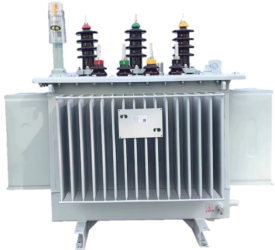

Oil-immersed Amorphous Alloy Core Distribution Transformer
Pinggao Group Smart Electric Co., Ltd.
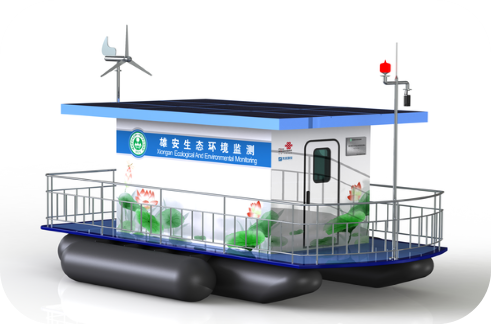
Floating Boat Water Quality Automatic Monitoring System
Hebei Sailhero Environmental Protection High-tech Co., Ltd.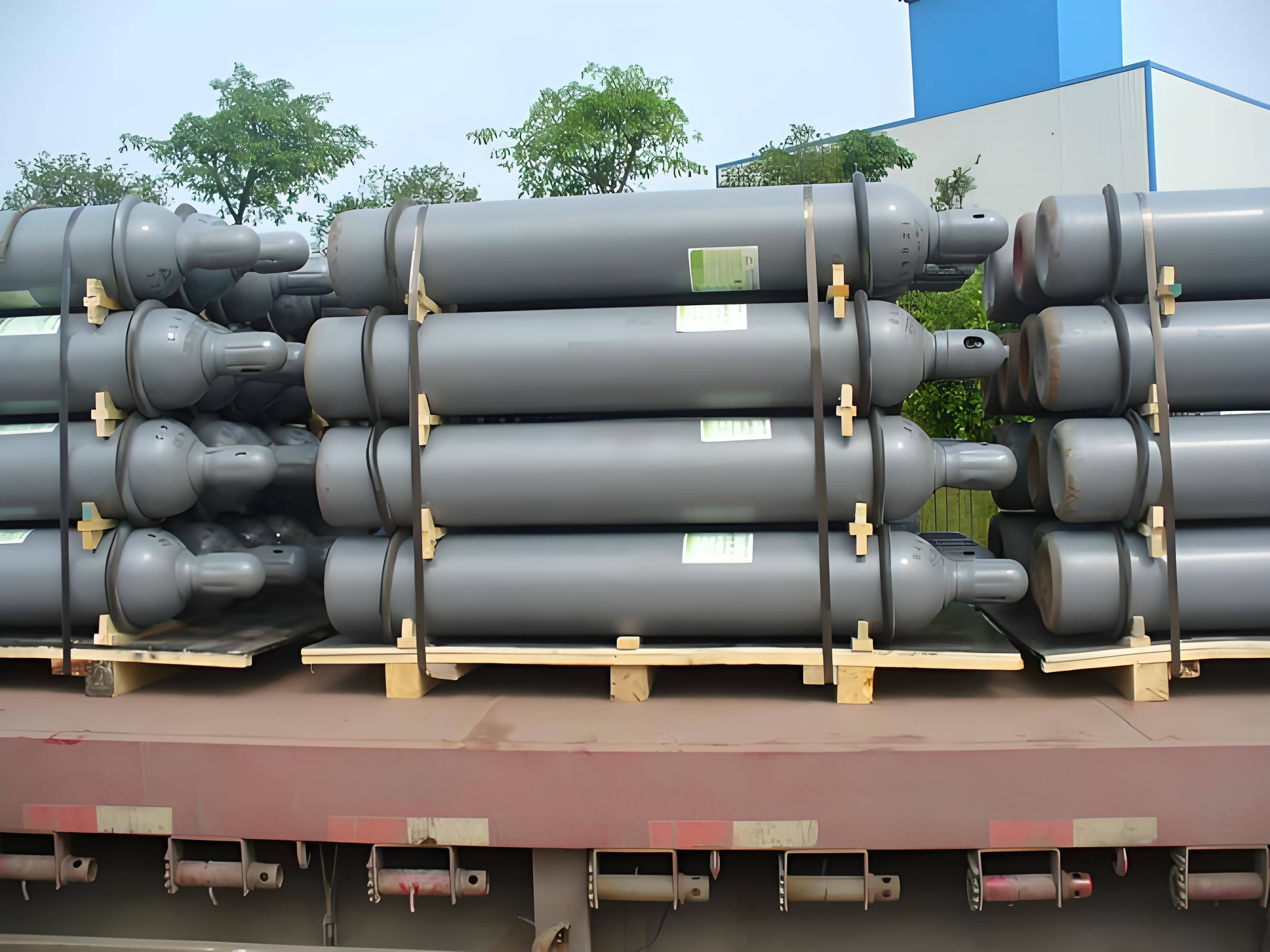
Global Sulfur Hexafluoride Gas Supply and Cylinder Export
Foshan Yuexin Industrial Gas Co., Ltd.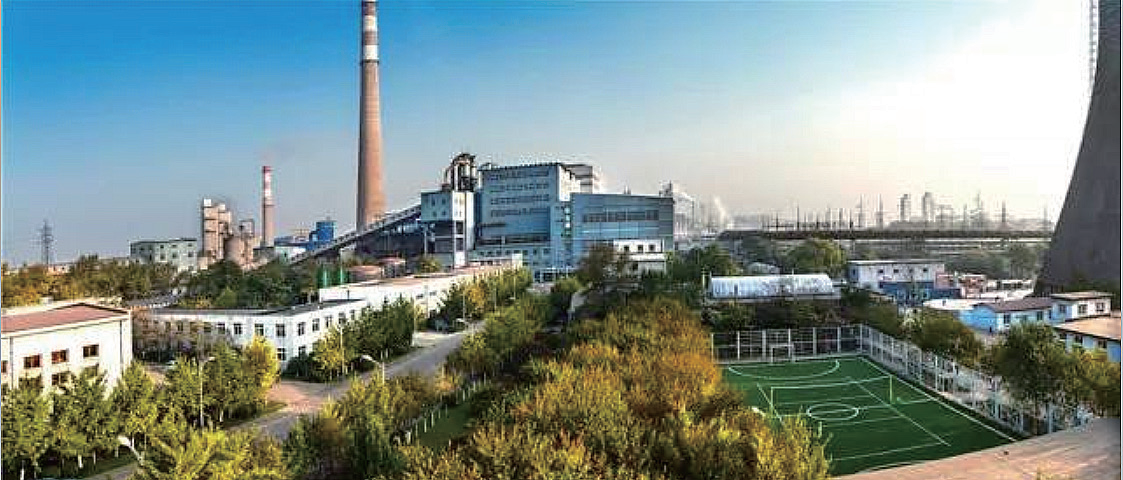
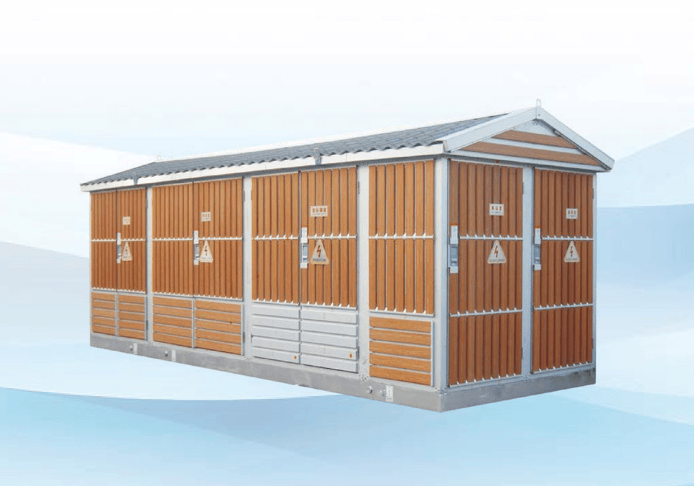
YB □ -12/0.4/1250 Outdoor Prefabricated Substation (European Style)
Shangrao Shangyu Intelligent Electric Co., Ltd.
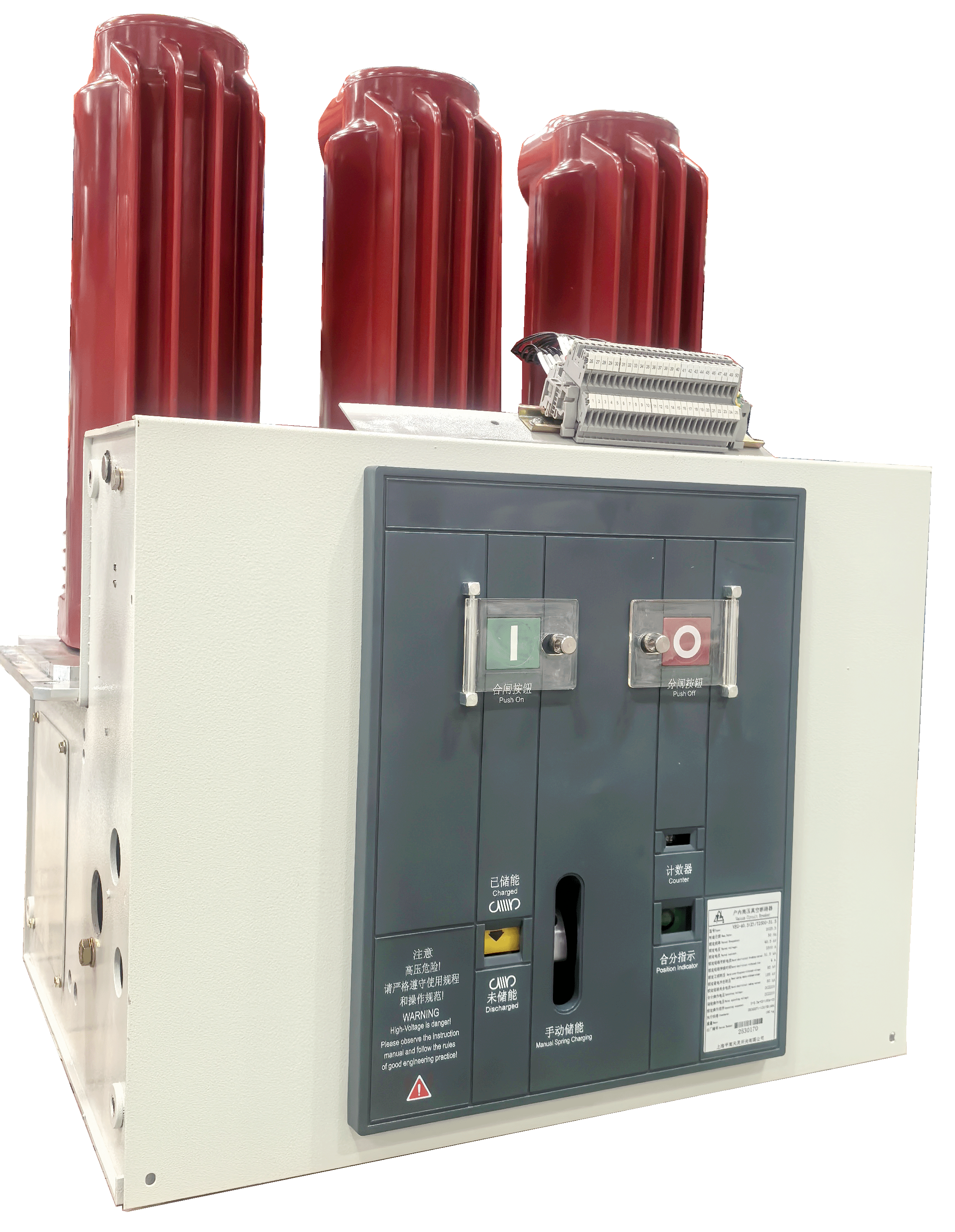
VEG-12/24/40.5 Series Vacuum Circuit Breaker
SHANGHAI PINGGAO TIANLING SWITCHGEAR CO., LTD.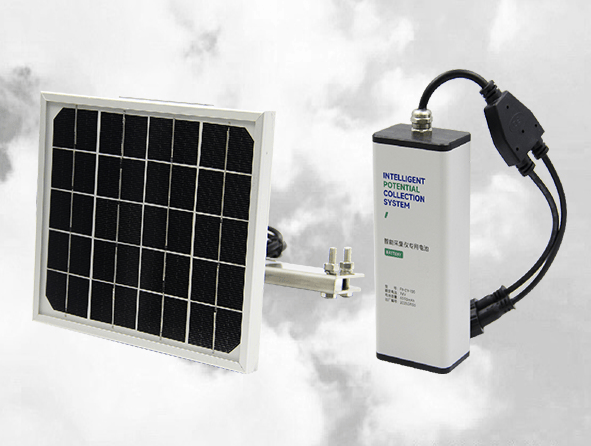
Inductive Power Harvesting Self-Powered Device - Safuneng
SELF ENERGY TECHNOLOGY (SHENZHEN) CO., LTD.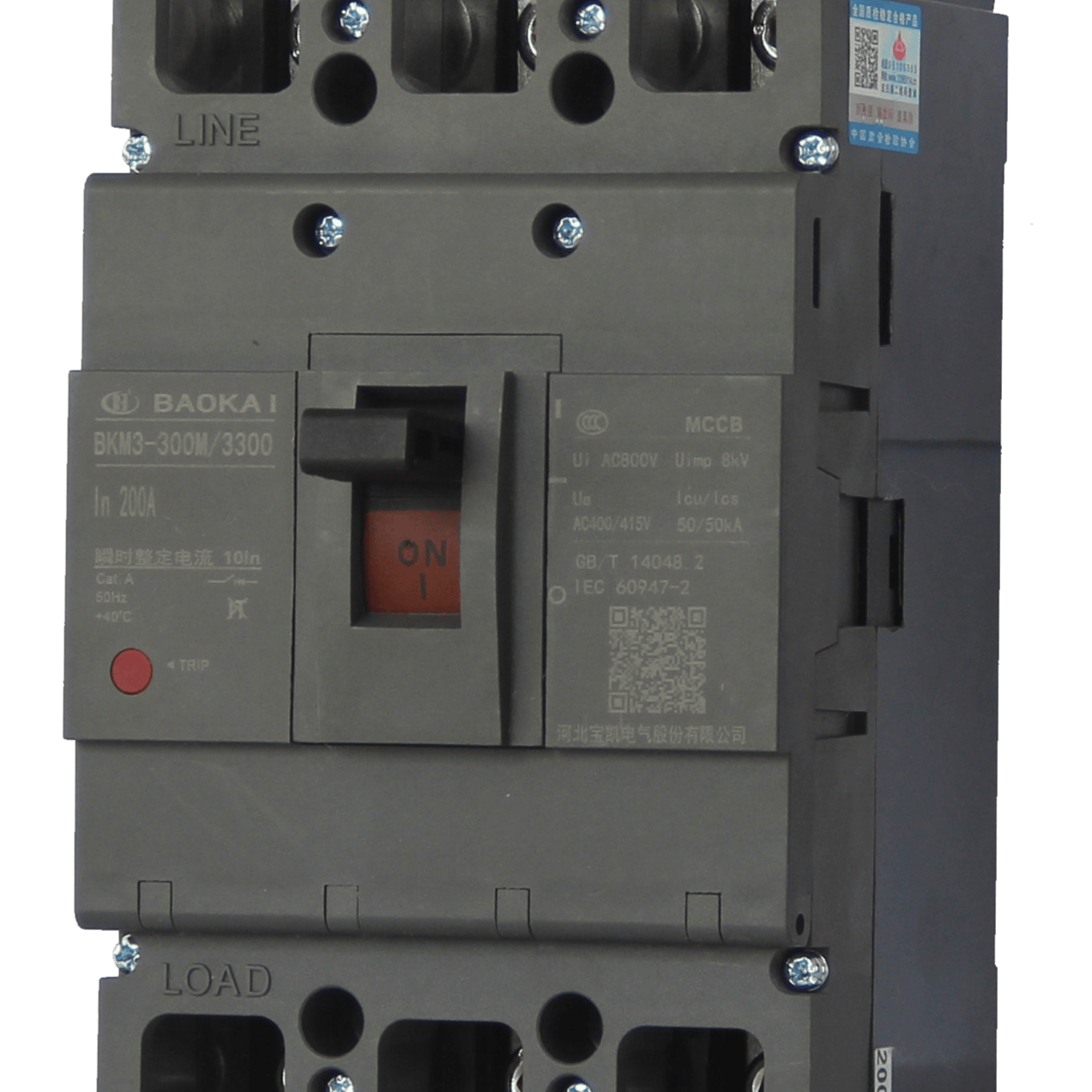
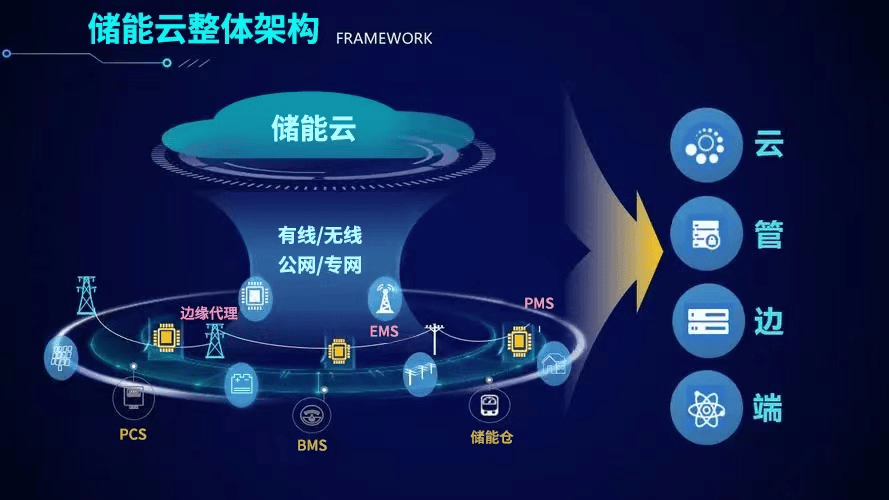
High-voltage Direct Current (HVDC) Transmission System Research and Integrated Design
XI'AN XD POWER SYSTEMS CO., LTD.