India's SJVN: Awards ~16 GW of Renewable Energy, Only ~6 GW Signed Under PPAs
en.Wedoany.com Reported - India's state-owned power producer SJVN revealed in its latest earnings call that the mismatch between renewable energy tender capacity and the actual demand of distribution companies is worsening, emerging as a prominent challenge for the clean energy industry. Chairman and Managing Director Bhupender Gupta stated that although renewable energy implementing agencies have awarded substantial capacity in the solar, wind, and hybrid energy sectors, the signing of Power Sale Agreements (PSAs) has significantly lagged behind.
Taking SJVN as an example, the company has cumulatively awarded approximately 16 GW of renewable energy projects in solar, wind, hybrid, and energy storage sectors, but only about 6 GW of Power Purchase Agreements have been formally signed. Gupta pointed out that the root cause lies in the influx of numerous tenders into the market simultaneously, while the actual demand from distribution companies falls far short of this scale. According to the company, this phenomenon is not unique to SJVN; major renewable energy tender agencies are also widely facing similar situations.
Currently, state utilities are becoming increasingly cautious in power procurement, tending to align their procurement plans with long-term resource adequacy plans and grid requirements. Gupta stated that states are no longer simply seeking independent renewable energy procurement but are comprehensively evaluating a mix of solar, wind, hydro, and thermal power to meet round-the-clock load and peak-time power supply requirements. This trend has raised concerns about whether awarded projects can secure long-term Power Purchase Agreements. SJVN acknowledged that with electricity prices continuing to decline in new auctions and state utilities reassessing their procurement needs, some awarded capacity may face the risk of lacking power purchasers.
Despite short-term pressures, SJVN remains optimistic about the prospects for renewable energy demand, particularly for green power solutions equipped with energy storage and dispatchable features. Management pointed out that future procurement will shift more towards "Solar-plus-Battery Energy Storage Systems (Solar-plus-BESS)", hybrid projects, and "Firm Dispatchable Renewable Energy (FDRE)" solutions, rather than relying on standalone solar projects alone. Gupta stated that the total demand for renewable energy will not decrease, but the demand structure is changing.
To adapt to this shift, SJVN has awarded 2000 MWh of Battery Energy Storage System (BESS) projects in Uttar Pradesh and Haryana. The company believes that as India's renewable energy installed capacity expands, energy storage will play a key role in increasing renewable energy penetration and mitigating power intermittency issues.
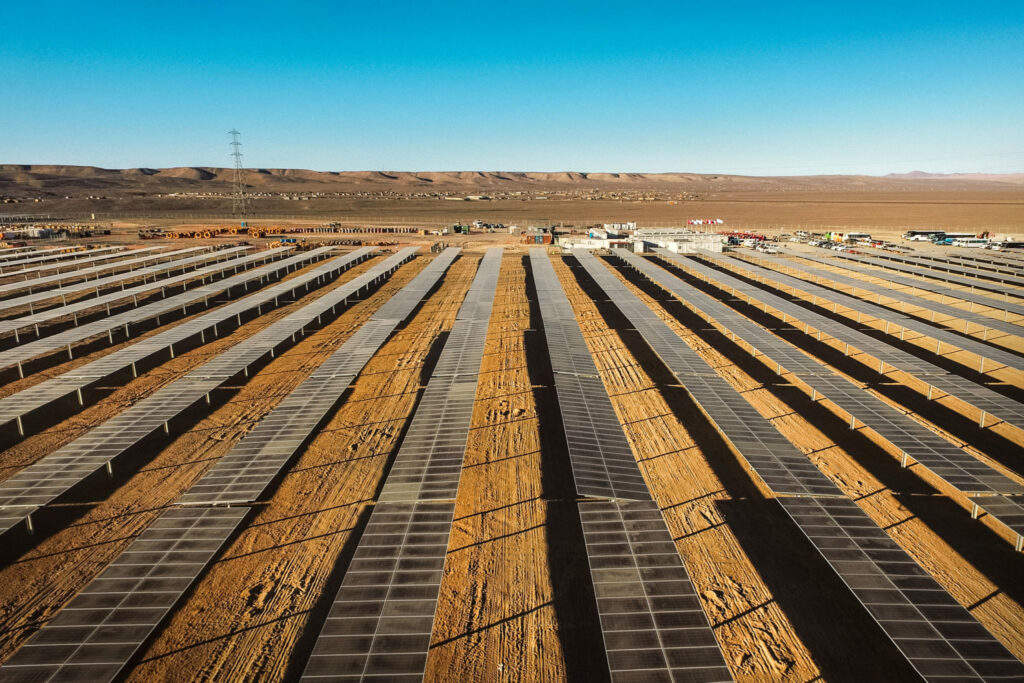
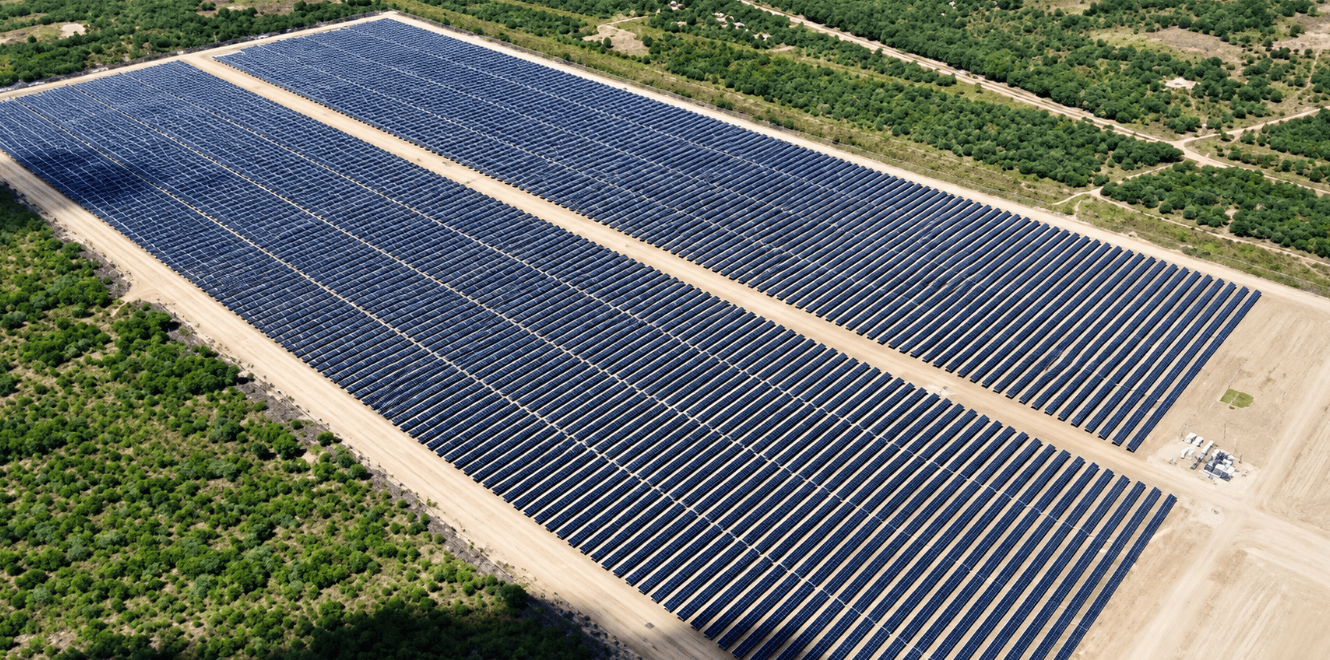
In the solar sector, SJVN continues to maintain its expansion pace. In FY26, the company commissioned the 1000 MW Bikaner solar project in Rajasthan and a solar project in Assam, adding a total of 1070 MW of new solar capacity for the fiscal year. SJVN plans to add approximately 1555 MW of solar capacity in FY27 and an additional 650 MW in FY28. However, grid infrastructure remains a major constraint. Due to delays in the delivery of grid balancing equipment required under revised regulations, the Bikaner project is currently facing curtailment of about 120 MW, a problem expected to be resolved by October 2026. The company also warned that some upcoming projects in the Khavda Renewable Energy Zone in Gujarat may face temporary curtailment due to transmission connectivity delays.
SJVN stated that as the industry moves towards firm dispatchable renewable energy, the company's project pipeline is increasingly diversifying across solar, wind, hybrid, and energy storage technologies. Management expects that future tenders will see more participation in hybrid and energy storage projects as distribution companies seek reliable clean energy capable of supporting grid stability.
This article is compiled by Wedoany. All AI citations must indicate the source as "Wedoany". If there is any infringement or other issues, please notify us promptly, and we will modify or delete it accordingly. Email: news@wedoany.com
Related Products

NISELA Series Environmentally Friendly Gas-Insulated Ring Main Unit
XJ DELISHIER ELECTRIC CO., LTD.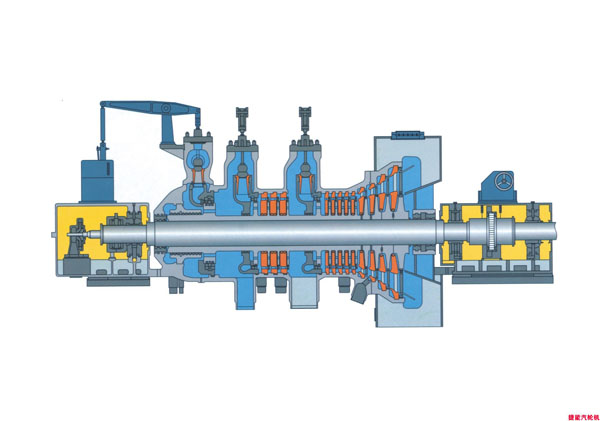
Forest and Grassland Heat Source Infrared Monitor
China Huayun Meteorological Technology Group Co., Ltd.
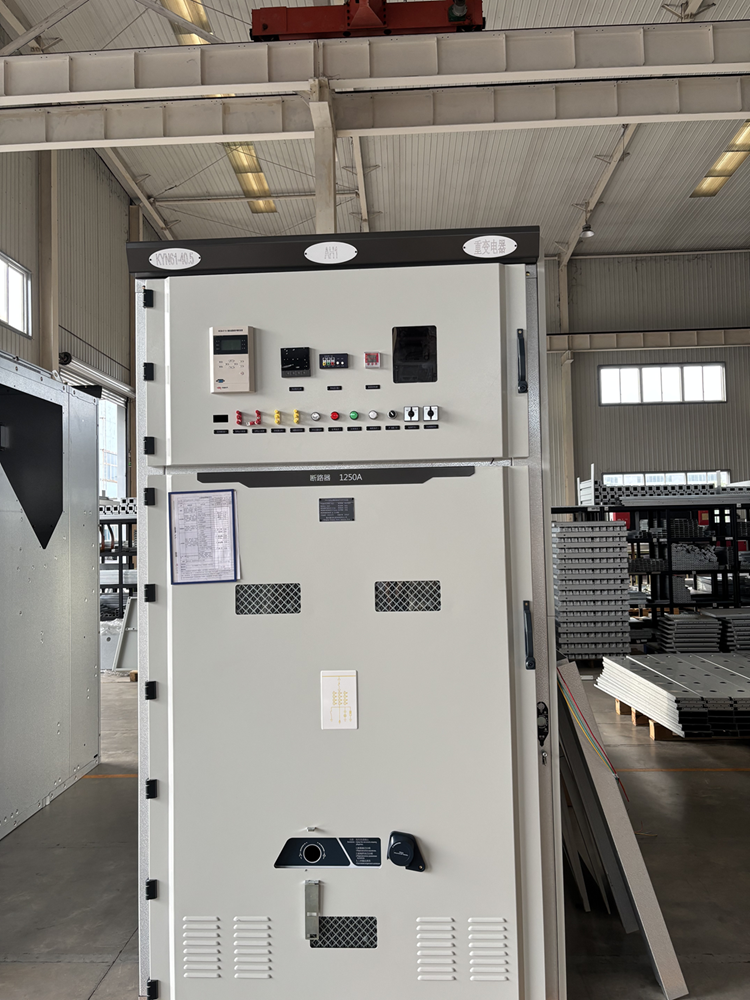
KYN61-40.5 Indoor AC Metal-clad Removable Switchgear
Chongqing Transformer Co., Ltd.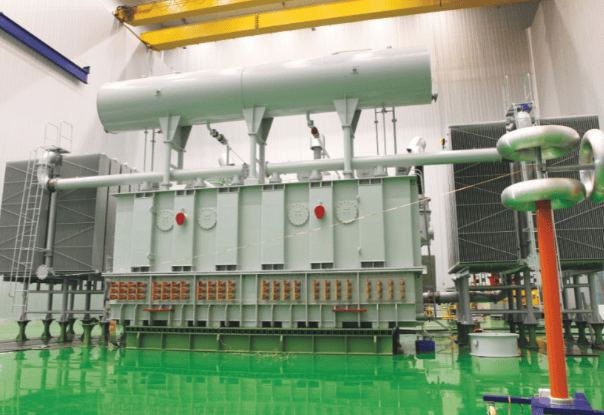
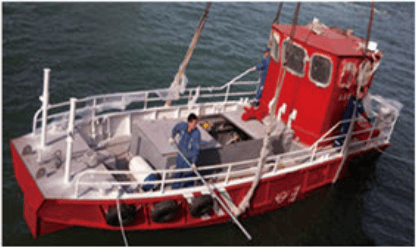
Electromagnetic Fluid Seawater Floating Oil Separation and Recover Equipment
Huate Magnet Group Co., Ltd.
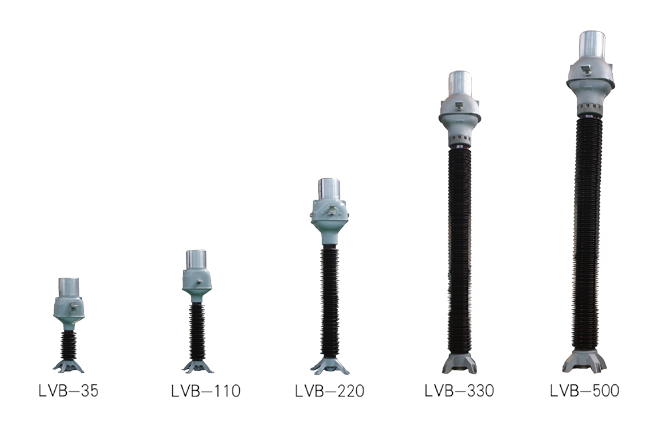
LVB Series 35-500kV Oil-immersed Inverted Current Transformer
Shandong TaiKai Instrument Transformer Co., Ltd.