India's AGI Greenpac Submits Science-Based Carbon Targets to SBTi
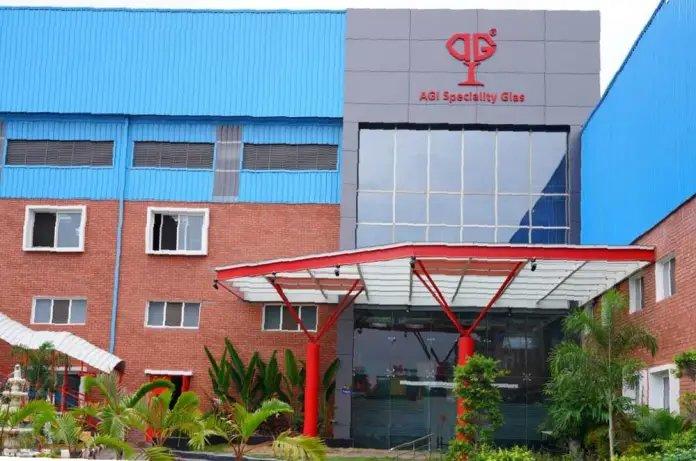
en.Wedoany.com Reported - AGI Greenpac has submitted its greenhouse gas emission reduction targets to the Science Based Targets initiative (SBTi), marking a substantial step forward in the packaging manufacturer's sustainability and decarbonization journey. Using the fiscal year 2023-24 as the base year, the company has set near-term reduction targets for the fiscal year 2033-34 and committed to achieving net-zero emissions by 2050. These targets are currently undergoing validation by the SBTi.
The SBTi is a global organization that develops emission reduction frameworks aligned with the Paris Agreement and climate science. According to the company, its targets are benchmarked against the "1.5°C pathway"—a trajectory aimed at limiting the increase in global average temperature to 1.5 degrees Celsius above pre-industrial levels.
The company noted that India is facing escalating climate-related risks, including extreme heat, erratic rainfall, and water scarcity, placing sustained pressure on the industrial sector to integrate climate considerations into business strategies. To address these challenges, AGI Greenpac has developed a science-based decarbonization roadmap.
Rajesh Khosla, CEO of AGI Greenpac, stated: "Industrial growth can no longer come at the expense of climate stability. The next decade is critical. Delaying action will only make the transition more disruptive and costly for businesses and economies. For industries like glass manufacturing, the transition cannot be incremental; it must be deliberate and time-bound. By committing to science-based targets, we hold ourselves accountable, ensuring progress is measurable. The key is to make climate discipline a boardroom priority, embed it in capital decisions, and decouple growth from emissions. Companies that act decisively today will shape the competitive landscape of tomorrow."
Chandramohan Mangalagiri, Chief Technology Officer of AGI Glaspac, stated: "Our decarbonization roadmap focuses on increasing the share of renewable energy usage across plants, enhancing energy efficiency in glass manufacturing, strengthening circular economy practices by increasing recycled content, and optimizing logistics emissions. As we advance major growth initiatives—including a new glass manufacturing plant in Madhya Pradesh and expansion into aluminum can packaging—sustainability is embedded in every capital investment and operational decision."
According to the company, its decarbonization strategy is built around four pillars. In terms of renewable energy, AGI Greenpac has installed approximately 21.0 megawatts peak (MWp) of solar capacity across its manufacturing facilities, achieving annual emission reductions of over 22,000 tonnes of carbon dioxide equivalent (tCO2eq). Regarding circular economy initiatives, the company reuses over 200,000 tonnes of cullet annually and plans to increase the cullet utilization rate to 50% by 2027 to reduce energy intensity and raw material consumption.
Through ongoing decarbonization efforts, the company has reduced Scope 1 emissions by 11,880 tonnes of carbon dioxide equivalent and is collaborating with Glass Futures to evaluate alternative fuels as part of its long-term decarbonization roadmap. In the logistics segment, AGI Greenpac is implementing supply chain decarbonization measures by promoting electric vehicles, optimizing routes, and improving loading efficiency.
The submission of targets to the SBTi marks the next phase of the company's sustainability program, focusing on emission reduction, disclosure, and implementation. Currently, these targets are awaiting validation by the SBTi.
This article is compiled by Wedoany. All AI citations must indicate the source as "Wedoany". If there is any infringement or other issues, please notify us promptly, and we will modify or delete it accordingly. Email: news@wedoany.com
Related Products



Photovoltaic and Wind Power Generation Technology
Beijing Boqi Electric Power SCI-TECH Co., Ltd.
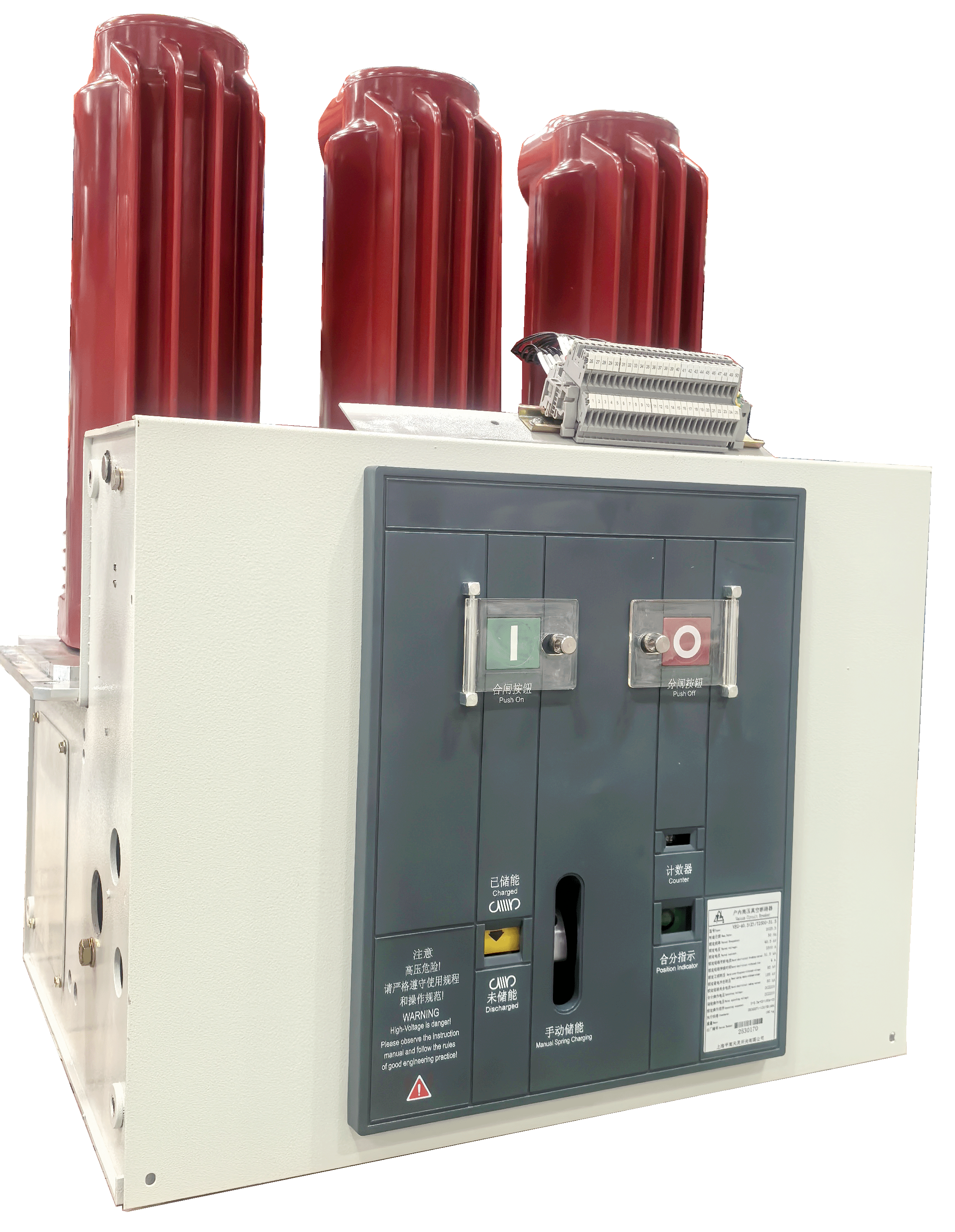
VEG-12/24/40.5 Series Vacuum Circuit Breaker
SHANGHAI PINGGAO TIANLING SWITCHGEAR CO., LTD.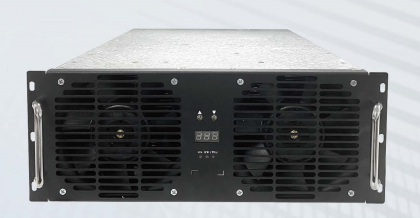
80kW Megawatt Supercharging Module TH80F10030C9
Shijiazhuang Tonhe Electronics Technologies Co., Ltd.
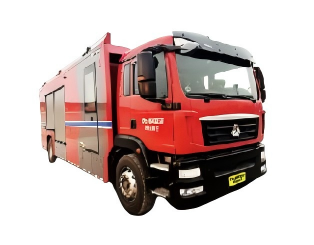
Modular Multifunctional Water Supply and Drainage Vehicle (18T)
Changsha Dewater Machinery Technology Co., Ltd.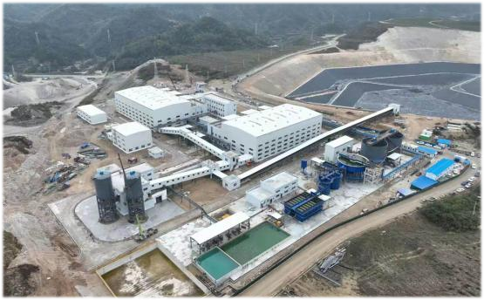
Yingping Mining Section Open-pit Tailings Backfill Treatment of Goaf Ecological Restoration EPC Project
China Bluestar Lehigh Engineering Corporation