West Moberly First Nations and RES Sign 210 MW Wind Power Purchase Agreement
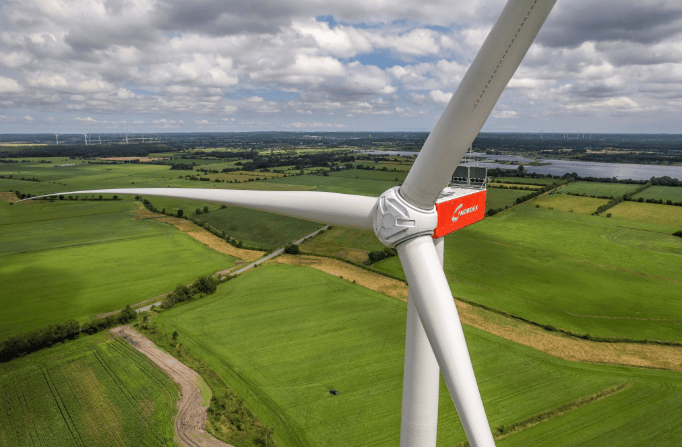
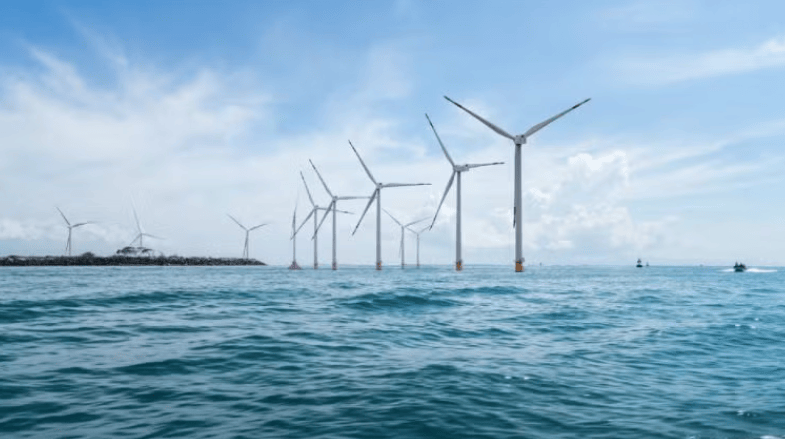
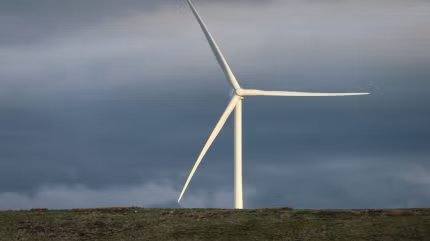
en.Wedoany.com Reported - Recently, the West Moberly First Nations in Canada signed a 30-year power purchase agreement with UK renewable energy company RES to supply electricity from the Sweetwater Wind Project to BC Hydro. Located approximately 20 kilometers north of Dawson Creek, British Columbia, Canada, the project has a planned installed capacity of 210 megawatts and is one of four projects advanced under BC Hydro's 2025 Call for Power.
The Sweetwater Wind Project will feature approximately 30 wind turbines and is expected to provide equivalent clean electricity for about 50,000 households annually. Situated on private agricultural land within Treaty 8 territory, the project is 51% majority-owned by the West Moberly First Nations through a wholly-owned subsidiary, with RES participating as a development partner. The signing of the 30-year power purchase agreement provides a critical foundation for the project's future revenue, financing, permitting, and engineering development, while also transitioning the local Indigenous community from a traditional consultation participant to a majority equity holder in the project. For British Columbia, electrification, population growth, and industrial expansion are driving up electricity demand, and the addition of wind power projects can supplement renewable sources within the province's clean energy system, creating a more flexible supply structure alongside the hydropower base.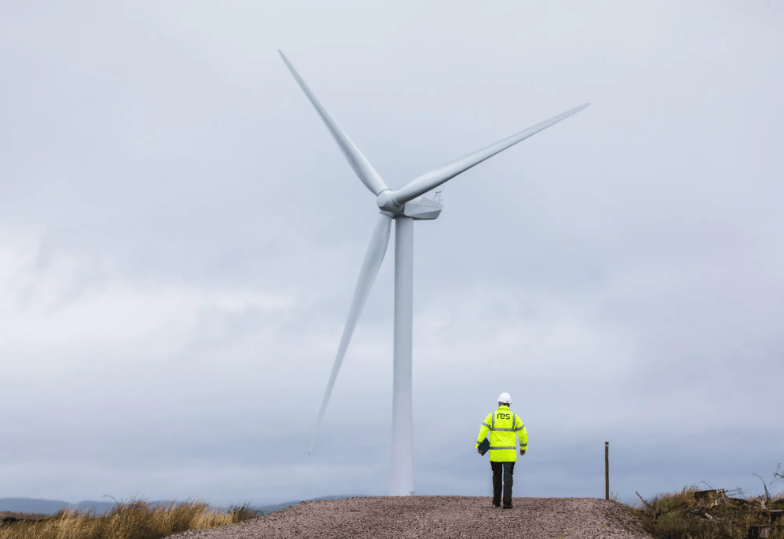
British Columbia's power system has long been dominated by hydropower, offering low-carbon advantages, but new loads are altering the existing supply-demand balance. Mining, liquefied natural gas facilities, data centers, transportation electrification, and residential electricity growth all require BC Hydro to secure new clean power sources in advance. The uniqueness of the Sweetwater project lies in its integration of wind power development, long-term power purchase, Indigenous ownership, and regional economic benefits into a single project framework. As the wind project enters the execution phase, it will drive demand for wind turbine assemblies, towers, blades, box transformers, substations, road construction, grid connection, lifting services, operation and maintenance monitoring, and local contracting, while also bringing employment, tax revenue, and long-term benefit distribution opportunities to the Peace River region. RES has previously participated in the development and construction of wind, solar, and energy storage projects in multiple Canadian provinces, and this project marks its entry into the British Columbia market.
Subsequent milestones will focus on environmental assessment, community consultation, grid connection arrangements, equipment selection, and final investment decisions. If the project proceeds smoothly, the Sweetwater Wind Farm will serve as an important model for Indigenous-led clean energy development in Western Canada and provide a new engineering benchmark for adding wind power supply beyond hydropower in British Columbia.
This article is compiled by Wedoany. All AI citations must indicate the source as "Wedoany". If there is any infringement or other issues, please notify us promptly, and we will modify or delete it accordingly. Email: news@wedoany.com
Related Products


Hydraulic Turbine Genset
Dongfang Electric Corporation Dongfang Electric Machinery Co., Ltd.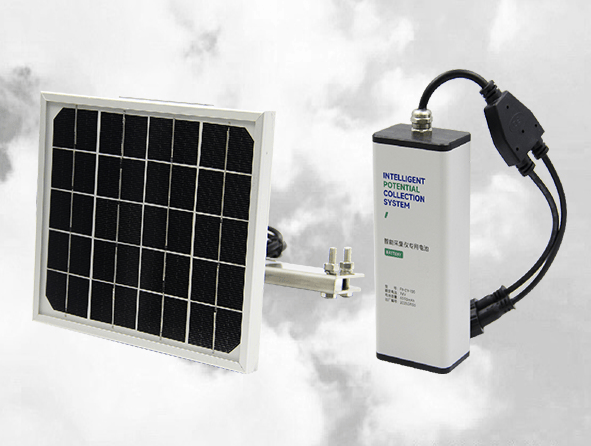
Inductive Power Harvesting Self-Powered Device - Safuneng
SELF ENERGY TECHNOLOGY (SHENZHEN) CO., LTD.
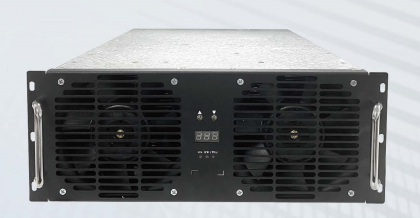
80kW Megawatt Supercharging Module TH80F10030C9
Shijiazhuang Tonhe Electronics Technologies Co., Ltd.