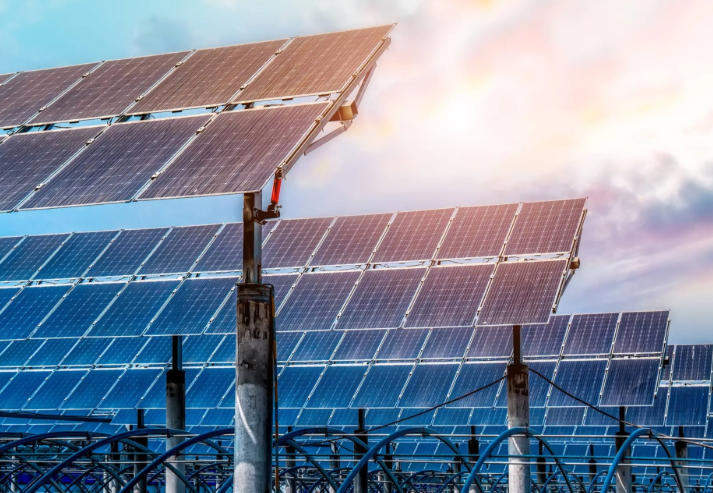
Australia's Commercial and Industrial Rooftop Solar Potential Nears 40GW, Installed Capacity Only 5.6GW
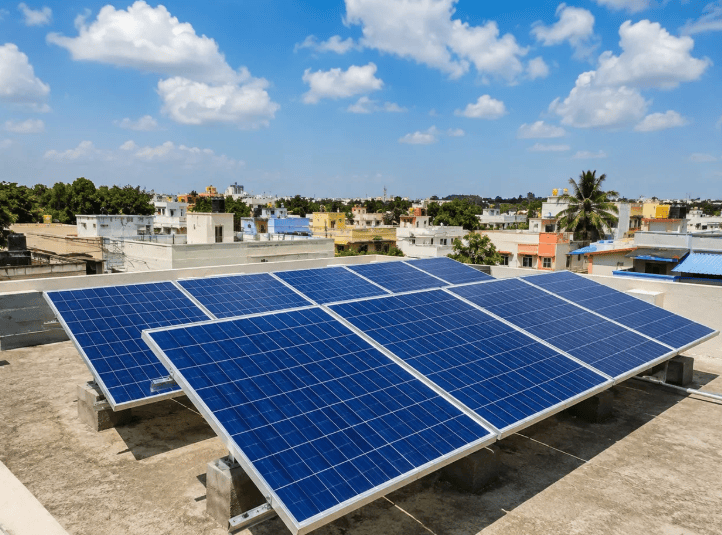
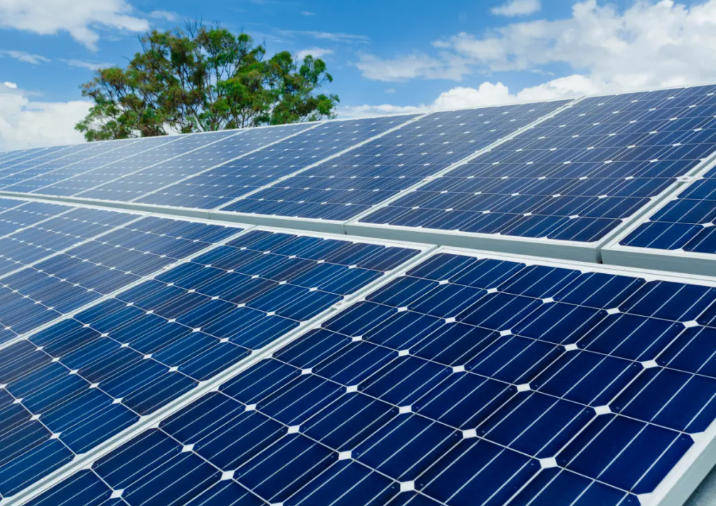
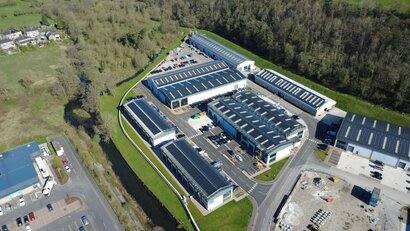
en.Wedoany.com Reported - The Institute for Energy Economics and Financial Analysis (IEEFA) points out that Australia's commercial and industrial rooftop solar technical potential is close to 40GW, but actual installed capacity is only 5.6GW, far behind the residential sector's 22GW.
Australian households generate four times more solar power than non-residential buildings such as retailers and manufacturers, with most commercial rooftops yet to install solar panels. Although the commercial sector consumes more electricity than households, and most consumption occurs during daylight hours when solar power is generated, it lags far behind the residential sector in rooftop solar systems and batteries.
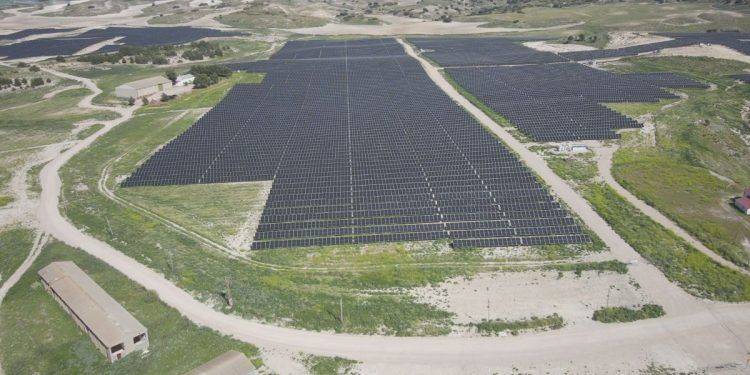
IEEFA research shows that Australia is a global leader in household rooftop solar, with over 4 million homes installing 22GW of solar capacity, while businesses have installed only 5.6GW. The technical rooftop potential for commercial and industrial solar could approach 40GW, and may even exceed 80GW if agricultural areas are included.
Many businesses that do not own their premises are excluded from the solar and battery revolution, and a similar situation applies to tenants. Landlords have limited incentive to invest in clean energy infrastructure, as these facilities primarily benefit tenants by lowering electricity bills, while the lifespan of solar panels and batteries often exceeds lease terms.
Innovative models have been trialed to address the "split incentive" issue, including allowing property owners to repay loans through municipal rates, but businesses still struggle to overcome this barrier. Part of the reason is that obstacles extend beyond this. Government incentives and policies typically targeting households or grid-scale infrastructure are not friendly to commercial and industrial facilities. Challenges related to grid connection and the associated costs pose another set of hurdles.
Businesses operating across states often have to navigate a patchwork of demand charging rules set by Australia's 16 network providers (entities responsible for poles, wires, transformers, and meters). IEEFA Lead Electricity Analyst Johanna Bowyer stated that network tariffs account for over 40% of commercial electricity bills, adding complexity and cost for commercial and industrial solar and storage providers. Bowyer suggested that network tariffs should be reviewed and standardized. The grid connection process also needs simplification, and network regulation should be reconsidered to recognize that on-site solar and battery assets can provide grid services, including feeding stored energy back into the grid during peak demand.
Bowyer said that if these barriers are not addressed, the potential of commercial solar and storage will remain unrealized. This could lead to higher electricity bills for individual businesses and all users, as more generation and on-site storage on urban rooftops would mean fewer large-scale renewables and the associated expensive infrastructure. Increasing renewable energy generation and storage will also help pave the way for the timely retirement of coal-fired power plants, which is crucial for Australia to achieve its emission reduction targets, including nearing the 82% national renewable energy target by 2030. The think tank calls for an "accelerated" approach to energy infrastructure to be made a national cabinet priority, similar to measures taken in response to the COVID-19 pandemic.
This article is compiled by Wedoany. All AI citations must indicate the source as "Wedoany". If there is any infringement or other issues, please notify us promptly, and we will modify or delete it accordingly. Email: news@wedoany.com
Related Products


Pneumatic high-pressure wear-resistant ball valve
Zhejiang Deca Control Valve Meter Co., Ltd.
0.66kV Power Supply Instrument Transformer
Guangdong Sihui Instrument Transformer Works Co., Ltd.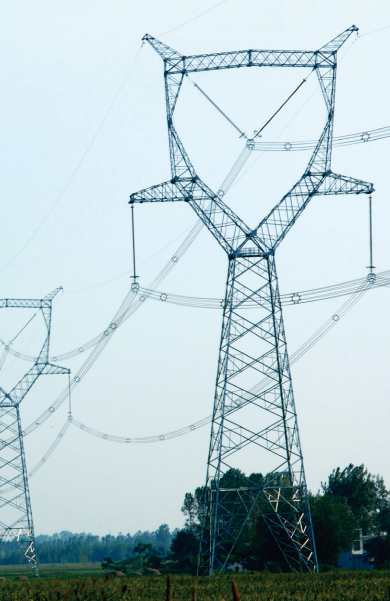
1000kV Jin Southeast-Nanyang-Jingmen UHV AC Transmission and Transformation Pilot Demonstration Project
Anhui Hongyuan Steel Tower Co., Ltd.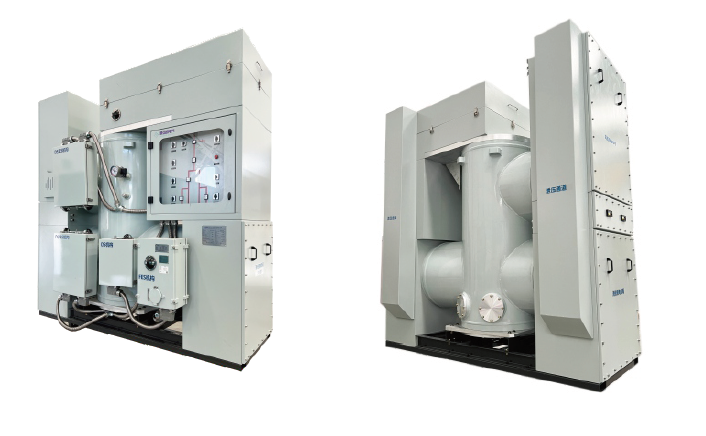
72.5kV 1250A 31.5kA SF6 free Gas-insulated Metal-enclosed Switchgear
Zhejiang Juhonkia Intelligent Electric Co., Ltd.
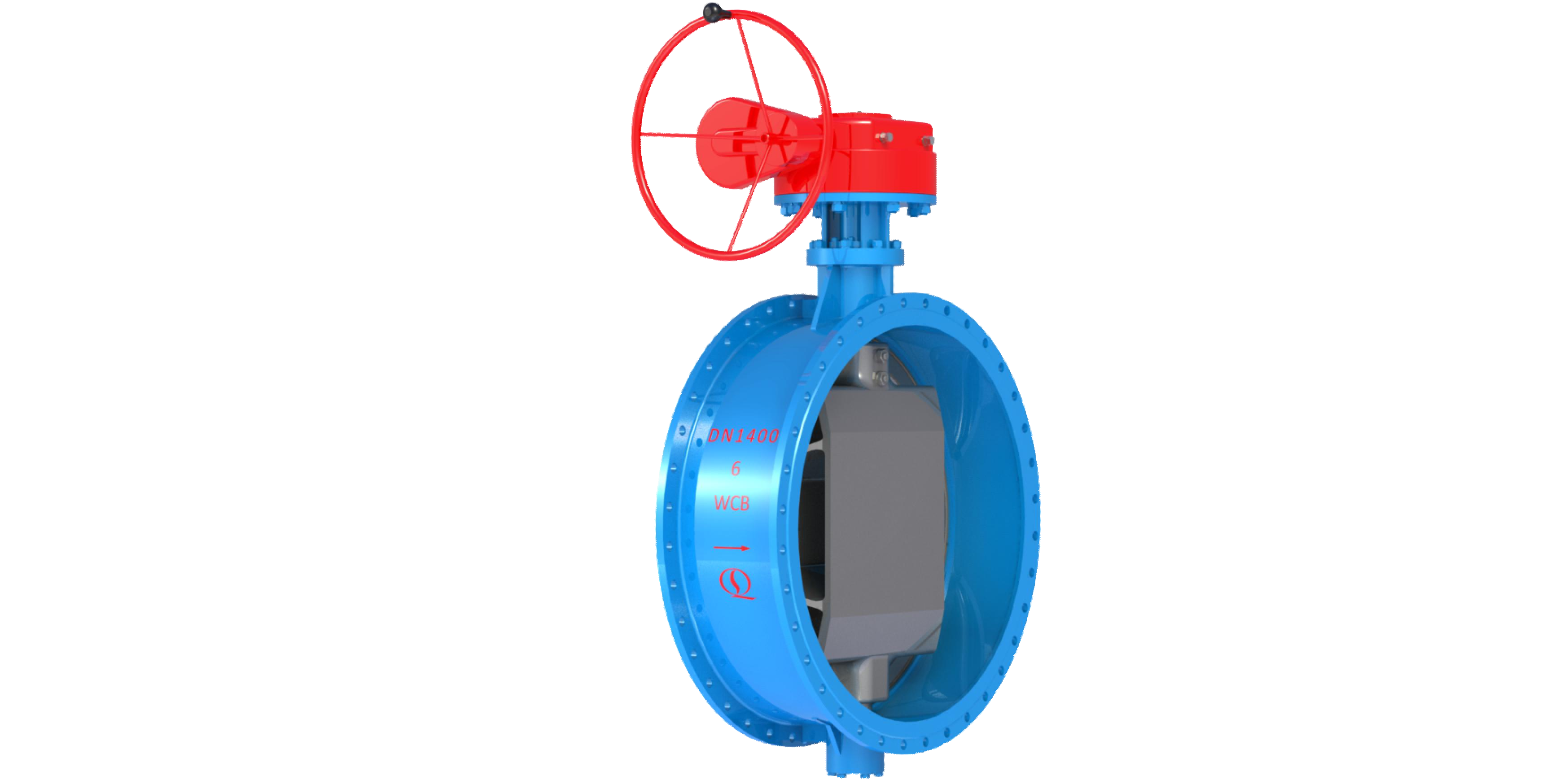
Bidirectional Metal Hard Sealed Seawater Butterfly Valve
Henan Quanshun Flow Control Science & Technology Co., Ltd.
Forest and Grassland Heat Source Infrared Monitor
China Huayun Meteorological Technology Group Co., Ltd.