en.Wedoany.com Reported - Vodafone has achieved net-zero emissions in its own operations in the German market, becoming the first European market within the group to reach this milestone, marking a key step in its energy transition. Since 2020, the company has reduced Scope 1 and Scope 2 emissions by 93% through investments in carbon dioxide removal offsets. Vodafone continues to cover 100% of its grid electricity purchases with renewable energy in its operations, achieved through Power Purchase Agreements (PPAs) and renewable energy certificates, aiming to support the goal of net-zero operations in Europe by 2028 and in Africa by 2035.
Joakim Reiter, Group Chief External and Corporate Affairs Officer, stated that addressing climate change requires action across all aspects of the business, turning ambition into measurable progress. As network traffic grows, energy efficiency becomes as important as capacity expansion, and Vodafone is enhancing efficiency by deploying next-generation radio technology and AI-powered energy management tools. These technologies aim to reduce power consumption and increase energy-saving features, while AI systems optimize electricity usage in real time, dynamically adjusting network performance to minimize waste.
Reducing operational emissions is only part of Vodafone's energy challenge, as 96% of its carbon footprint comes from the broader value chain. Over the past year, the company has expanded supplier engagement, connecting 60% of its strategic suppliers to a dedicated platform to track and accelerate their decarbonization progress. Vodafone is committed to following targets approved by the Science Based Targets initiative (SBTi), aiming to reduce value chain emissions by 90% by 2040, and collaborates through the Corporate Social Responsibility Alliance to help 46 suppliers find practical ways to reduce emissions.
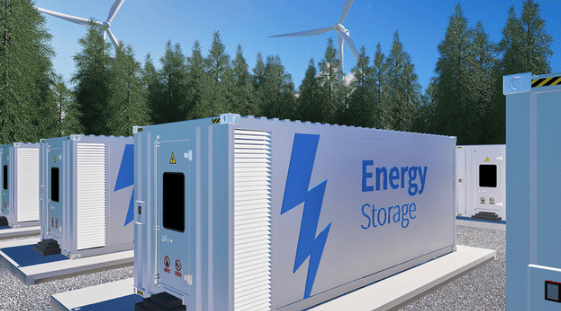
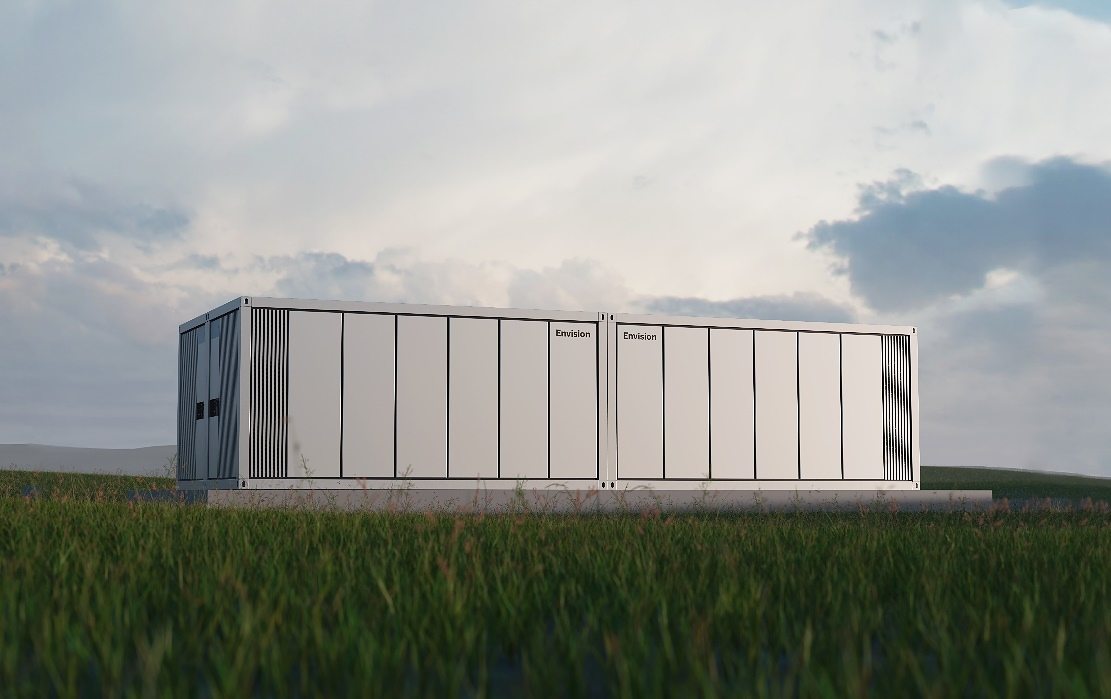
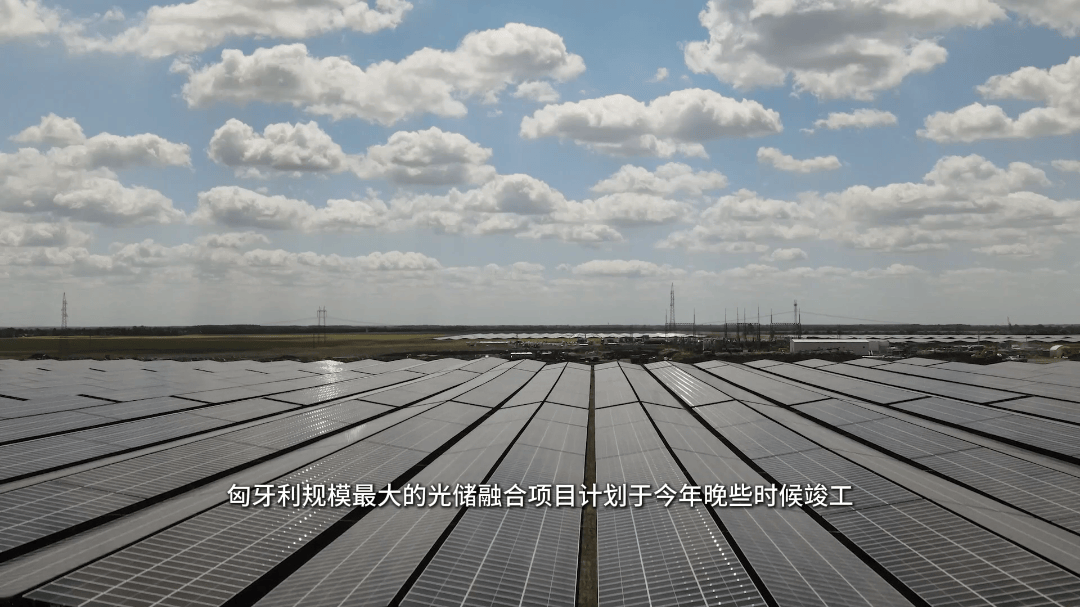
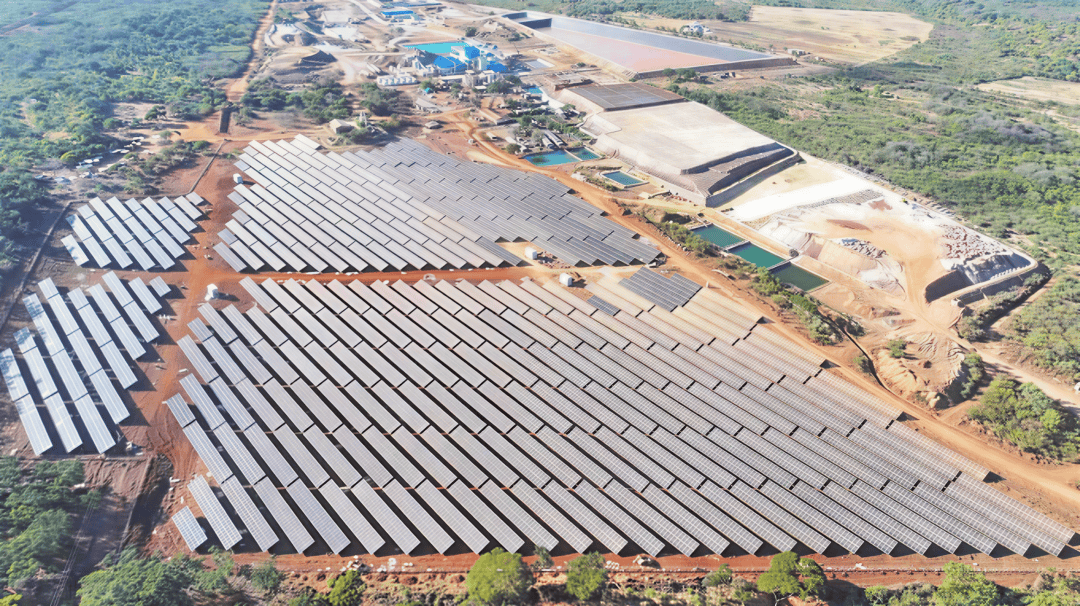
Vodafone also positions its network infrastructure as part of the broader energy system, recently leading a distributed energy storage pilot in the Czech Republic and launching a similar project in the UK to explore how grid-connected batteries can stabilize electricity supply. The company is also studying the shifting of electricity consumption to periods with higher renewable energy availability to support a more responsive grid. Solar-powered mobile sites have been expanded across multiple markets, with South Africa hosting Vodafone's first virtual transmission project, enabling renewable electricity from independent producers to be distributed at scale via the grid. In Mozambique, a hybrid diesel generator control system switches to battery power during outages when possible, reducing fuel consumption. Approximately one-quarter of the vehicles purchased and ordered by the company in Europe are electric, aiming to decarbonize its fleet.
Circular economy principles play a role in Vodafone's energy strategy, extending equipment life through trade-in, repair, and reuse programs to reduce energy consumption associated with manufacturing new devices. In partnership with the World Wide Fund for Nature, the company has collected 1 million used mobile devices for reuse, recycling, or donation. For business users, a device lifecycle management leasing program redeployed over 99% of returned devices in 2025. The company has also launched a pan-European recycling tender aimed at improving material recovery rates from decommissioned network equipment, reducing landfill and incineration.
Vodafone's sustainability efforts have received external recognition, being included in the CDP Climate Change "A List" and receiving the EcoVadis Platinum Medal for the second consecutive year, ranking among the top 1% of companies globally for sustainability performance. Joakim Reiter stated that there is still more work to be done on Scope 3 emissions, and the company will continue to deepen supplier engagement, improve emissions data, and expand circular solutions.
This article is compiled by Wedoany. All AI citations must indicate the source as "Wedoany". If there is any infringement or other issues, please notify us promptly, and we will modify or delete it accordingly. Email: news@wedoany.com