en.Wedoany.com Reported - The Center for Applied Arts and Technology (CATA) in Catamarca Province, Argentina, has added two new interactive exhibition areas, focusing on lithium and the energy transition, as well as the province's regional production characteristics. The new exhibition areas were officially inaugurated by Governor Raúl Jalil, with the attendance of Mining Minister Teresita Regalado, Cultural Management Secretary Laura Maubecin, and representatives from Zijin-Liex.
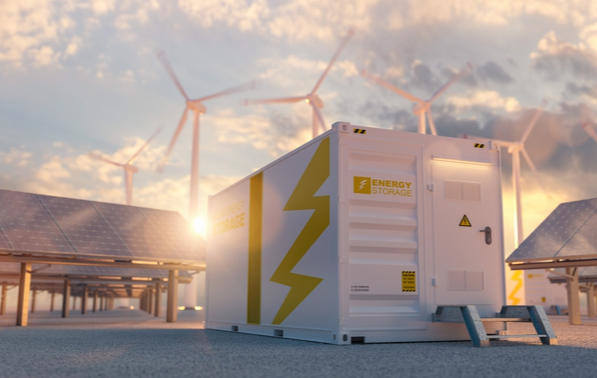
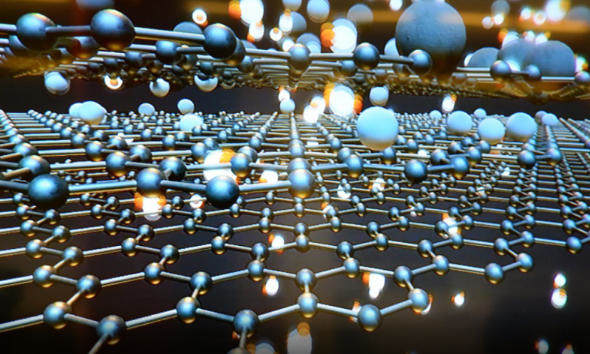
In the lithium-themed exhibition area, the organizers use immersive experiences to explain the role of lithium in energy storage and the energy transition, highlighting its application in technologies related to electrification and emission reduction, and emphasizing its role in the value chain of new energy technologies.
The second exhibition area focuses on the regional characteristics of Catamarca Province, covering the province's landscapes, native wildlife, and production activities. Themes include chili cultivation, walnut production, and other elements related to natural and production heritage, aiming to showcase the diverse activities that shape the province's economic and cultural identity.
At the inauguration ceremony, Mining Minister Regalado stated that the lithium exhibition area explains the contribution of lithium to energy storage, emission reduction, and challenges related to the energy transition by showcasing its applications and practical uses. Governor Jalil noted that the new exhibition areas expand CATA's educational and cultural content, allowing visitors to gain a deeper understanding of the province's production and natural resources, including lithium development and other production activities that constitute the local economy.
The Center for Applied Arts and Technology (CATA) is located in the former government building in downtown Catamarca City, positioned as a space for innovation, culture, and social promotion. Since its opening at the end of 2025, the center has introduced a series of initiatives related to technology, education, and provincial production.
This article is compiled by Wedoany. All AI citations must indicate the source as "Wedoany". If there is any infringement or other issues, please notify us promptly, and we will modify or delete it accordingly. Email: news@wedoany.com