Shanghai Baoye's Key Technologies for Constructing Large World-Class Theme Parks Reach Internationally Advanced Level
en.Wedoany.com Reported - Recently, Shanghai Baoye's "Key Technologies for Constructing Large World-Class Theme Parks" passed expert review, with the overall results recognized as reaching an internationally advanced level. Among them, the "Complete Set of High-Gloss Coating Technologies for Multi-Material Themed Facilities" was identified as a pioneering achievement, and the "Parametric Design Series Software System for Spatially Irregular Themed Facilities" was deemed to have reached an internationally leading level. These results are based on Shanghai Baoye's engineering practices in constructing large theme parks such as Shanghai Disneyland, Universal Beijing Resort, and Shanghai Legoland Resort, and have been promoted and applied in domestic cultural tourism scenarios, including the Phase II Cultural Science and Technology Park of Xiangyang OCT Cultural Tourism Resort and the "Haiyingcheng" Cultural Tourism Project at Zhejiang Radio and Television Group's Xiangshan Film and Television Base.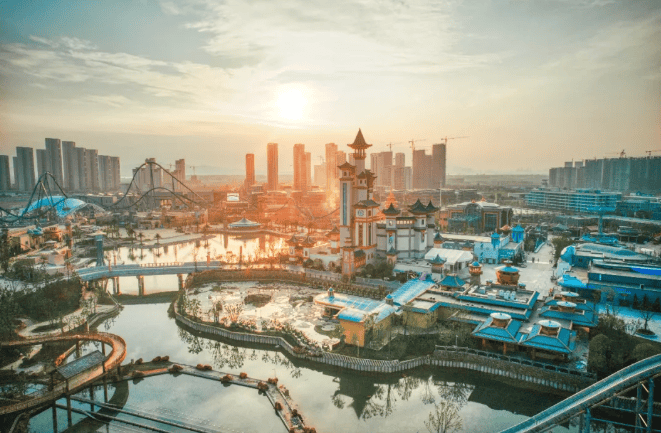
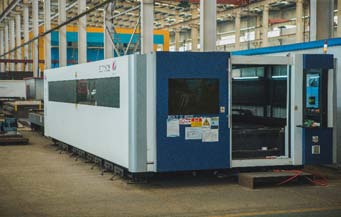
The difficulty in constructing large theme parks lies in unifying artistic effects with engineering safety. Projects like Shanghai Disneyland, Universal Beijing Resort, and Shanghai Legoland Resort are not merely about building structural shells; construction targets often include castles, mountains, spaceships, brick-built scenes, cartoon characters, immersive streets, and complex rides. These extensively utilize irregular steel structures, curved components, composite materials, fiberglass, themed finishes, and high-precision coatings, imposing higher requirements on spatial restoration, component fabrication, on-site installation, material durability, and multi-disciplinary coordination. Shanghai Baoye's prior involvement in projects such as Shanghai Disneyland, Universal Beijing Resort, and Shanghai Legoland Resort provided continuous application scenarios for these technological achievements.
High-gloss coating technology addresses the issues of "visual restoration" and "long-term preservation" of themed facilities. IP facilities in theme parks are typically composed of multiple materials, each with different requirements for coating adhesion, gloss, color control, and environmental adaptability. Outdoor equipment must also withstand long-term effects from UV radiation, rain, temperature variations, visitor contact, and routine cleaning. The complete coating technology must simultaneously control substrate treatment, spraying processes, ambient temperature and humidity, layered construction, and finished product protection, ensuring that different material surfaces maintain nearly consistent gloss, color, and texture in the final presentation. People's Daily Online once reported that Shanghai Baoye conducted process planning for exposed steel structure coatings in the Disney project, including sample testing, dust and humidity control, and temperature regulation—experiences highly relevant to the surface treatment needs of high-end themed facilities.
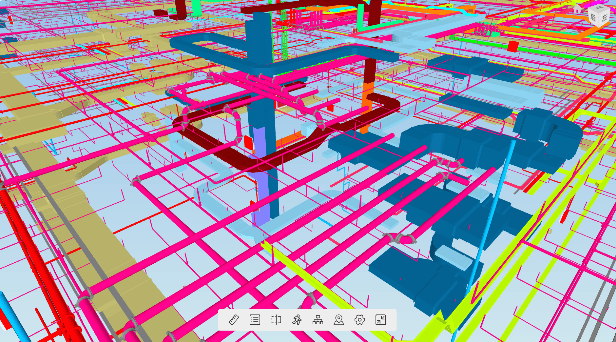
The parametric design series software system for spatially irregular themed facilities shifts the most challenging spatial relationships in theme park construction to the digital design phase. Complex themed facilities often lack standard plans and conventional elevations; designers must express artistic forms, while engineering teams must break down these forms into components that can be fabricated, transported, lifted, and installed. Parametric design integrates curved shapes, component dimensions, joint relationships, installation tolerances, and construction sequences into model simulations, reducing information loss between design and site. For construction companies, the value of such systems lies not in individual model displays, but in enabling irregular facilities to transition from creative drawings into a manufacturable, installable, and verifiable engineering workflow.
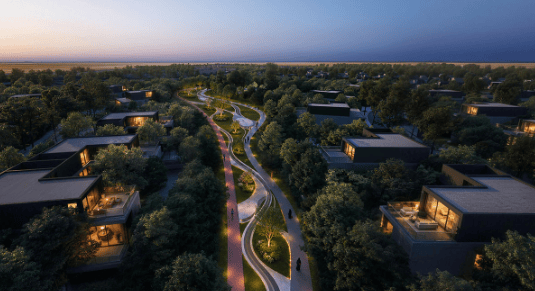
The promotion and application of these achievements indicate that technical capabilities developed from world-class theme park projects are being transferred to domestic IP cultural tourism projects. Scenarios such as the Phase II Cultural Science and Technology Park of Xiangyang OCT Cultural Tourism Resort and the "Haiyingcheng" Cultural Tourism Project at Zhejiang Radio and Television Group's Xiangshan Film and Television Base, despite differing themes and operational positioning, similarly require complex shapes, themed finishes, immersive spaces, and visitor experience design. Domestic cultural tourism projects previously emphasized scenic area development and building construction, but now increasingly focus on IP expression, scene narration, nighttime performances, and composite consumer experiences. Consequently, construction techniques are shifting from conventional building to artistic engineering, digital construction, and refined delivery.
The Shanghai Legoland Resort project further demonstrates the engineering density of these capabilities. Public information shows that Shanghai Legoland Resort, located in Jinshan, Shanghai, has a core park area largely constructed by Shanghai Baoye, involving extensive brick-built scenes, rides, themed finishes, and high-precision construction work. This project, together with Shanghai Disneyland and Universal Beijing Resort, forms a key case study for Shanghai Baoye in the large theme park sector, enabling the company to develop reusable experience in irregular structures, themed decorations, process standards, and project organization.
This review result provides new validation for Shanghai Baoye's technical system in the high-end theme park construction field. As the domestic cultural tourism market shifts from single-attraction development to IP-driven, immersive, and digital experience upgrades, high-gloss coating for themed facilities, parametric design for spatially irregular structures, complex component fabrication, and multi-disciplinary coordinated construction will continue to impact project quality. The construction experience Shanghai Baoye has accumulated across multiple world-class theme parks is expected to be further applied in engineering scenarios such as large cultural tourism complexes, film and television bases, urban renewal projects, and immersive consumer spaces.
This article is compiled by Wedoany. All AI citations must indicate the source as "Wedoany". If there is any infringement or other issues, please notify us promptly, and we will modify or delete it accordingly. Email: news@wedoany.com
Related Products


Industrial and Commercial Point-Type Gas Detector
Jinan Benan Technology Development Co., Ltd.
Ultra-pure Ferritic Stainless Steel Products
Gansu JISCO Group Hongxing Iron and Steel Co., Ltd.
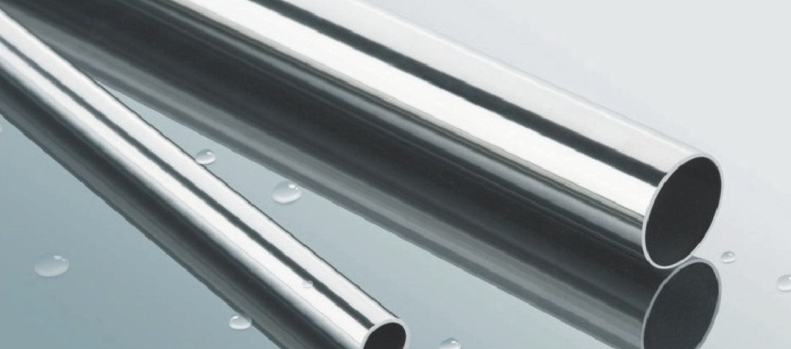
ERW Welded Pipe (Black Pipe and Hot-dip Galvanized Steel Pipe)
Handan Zhengda Steel Pipe Co., Ltd.