Brazil Commissions First Flexible AC Transmission System Technology Project
en.Wedoany.com Reported - The first project in Brazil's National Interconnected System (SIN) to adopt Flexible AC Transmission System (FACTS) technology was commissioned this month at the substation in Ribeirão Preto, São Paulo State, utilizing Static Synchronous Series Compensator (SSSC) technology.
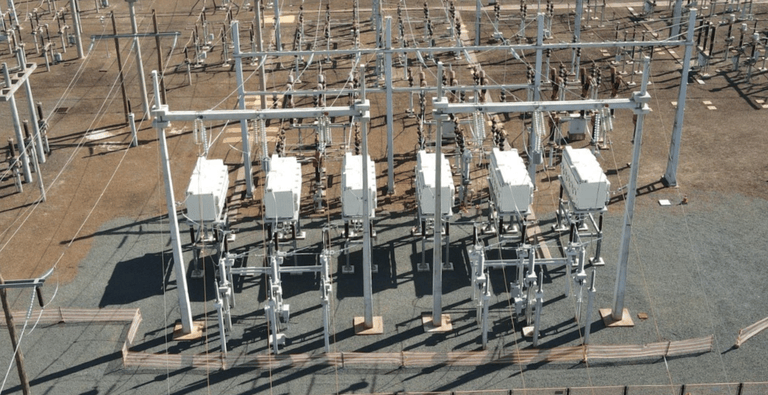
Flexible AC Transmission System technology is used in the power industry to improve the control and performance of transmission networks. By dynamically managing voltage and power flow on transmission lines through electronic devices, this technology enhances system operational flexibility, efficiency, and reliability.
The implementation of this technology provides the Brazilian power system with greater operational flexibility, enabling dynamic management of power flow and optimizing the utilization of existing transmission infrastructure. This enhances the utilization capacity of the installed network, mitigates overload risks, improves power supply reliability, and promotes operational efficiency gains in the National Interconnected System.
The deployment of this solution was facilitated by a structured planning process coordinated by the Ministry of Mines and Energy (MME). Based on studies conducted by the Energy Research Institute (EPE), it was determined that innovative technologies capable of increasing transmission capacity and optimizing the use of existing infrastructure were required.
Based on the technical recommendations from the studies, the MME incorporated the solution into the Electric Power Transmission Concession Plan (POTEE), which governs the expansion and reinforcement of the national transmission network. In subsequent steps, the National Electric Energy Agency (Aneel) authorized the execution of the works and established regulatory deadlines for the project to commence commercial operation.
The commissioning ceremony was attended by representatives from MME, Aneel, and EPE.
This article is compiled by Wedoany. All AI citations must indicate the source as "Wedoany". If there is any infringement or other issues, please notify us promptly, and we will modify or delete it accordingly. Email: news@wedoany.com
Related Products

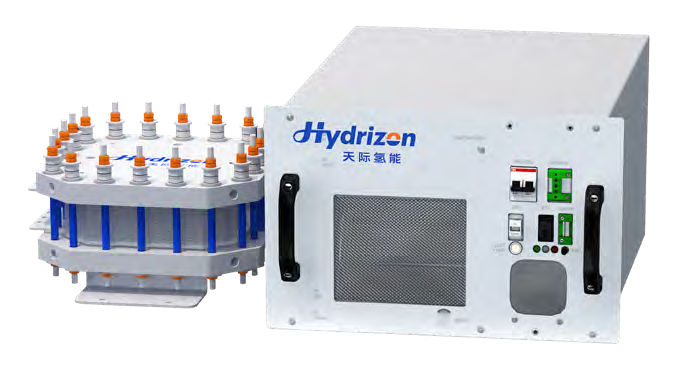
HI-Pro Green Hydrogen High-efficiency Production System-HI-PRO-AEM
Hydrizon Technology (Beijing) Co., Ltd.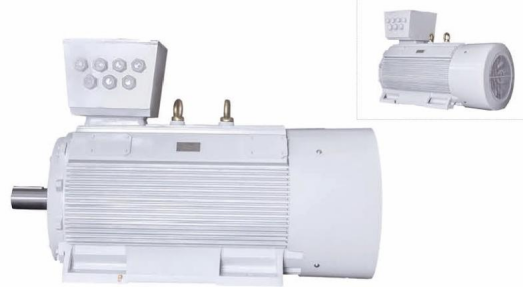
YE3 Series Low Voltage High Power Three-Phase Asynchronous Motor
Shandong Lijiu Electrical Machinery Co., Ltd.
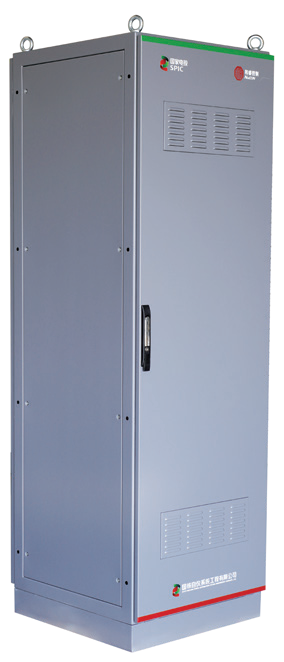
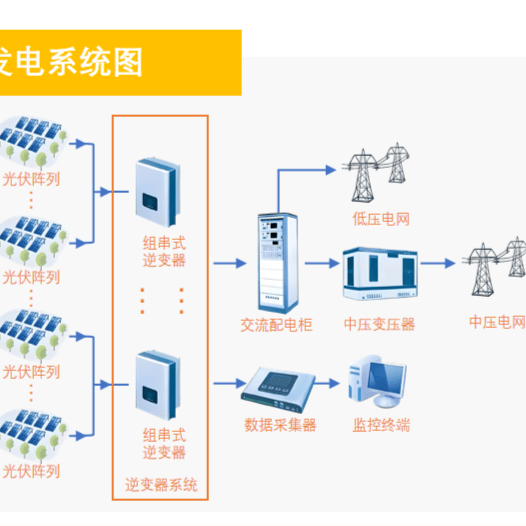
Photovoltaic and Wind Power Generation Technology
Beijing Boqi Electric Power SCI-TECH Co., Ltd.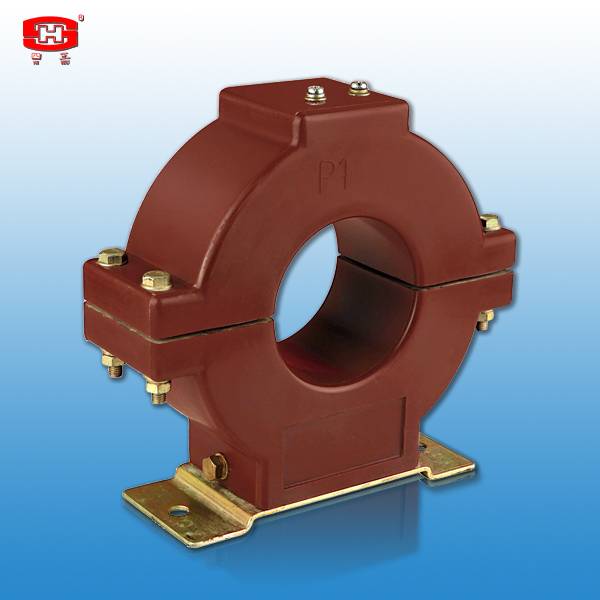
0.66kV Power Supply Instrument Transformer
Guangdong Sihui Instrument Transformer Works Co., Ltd.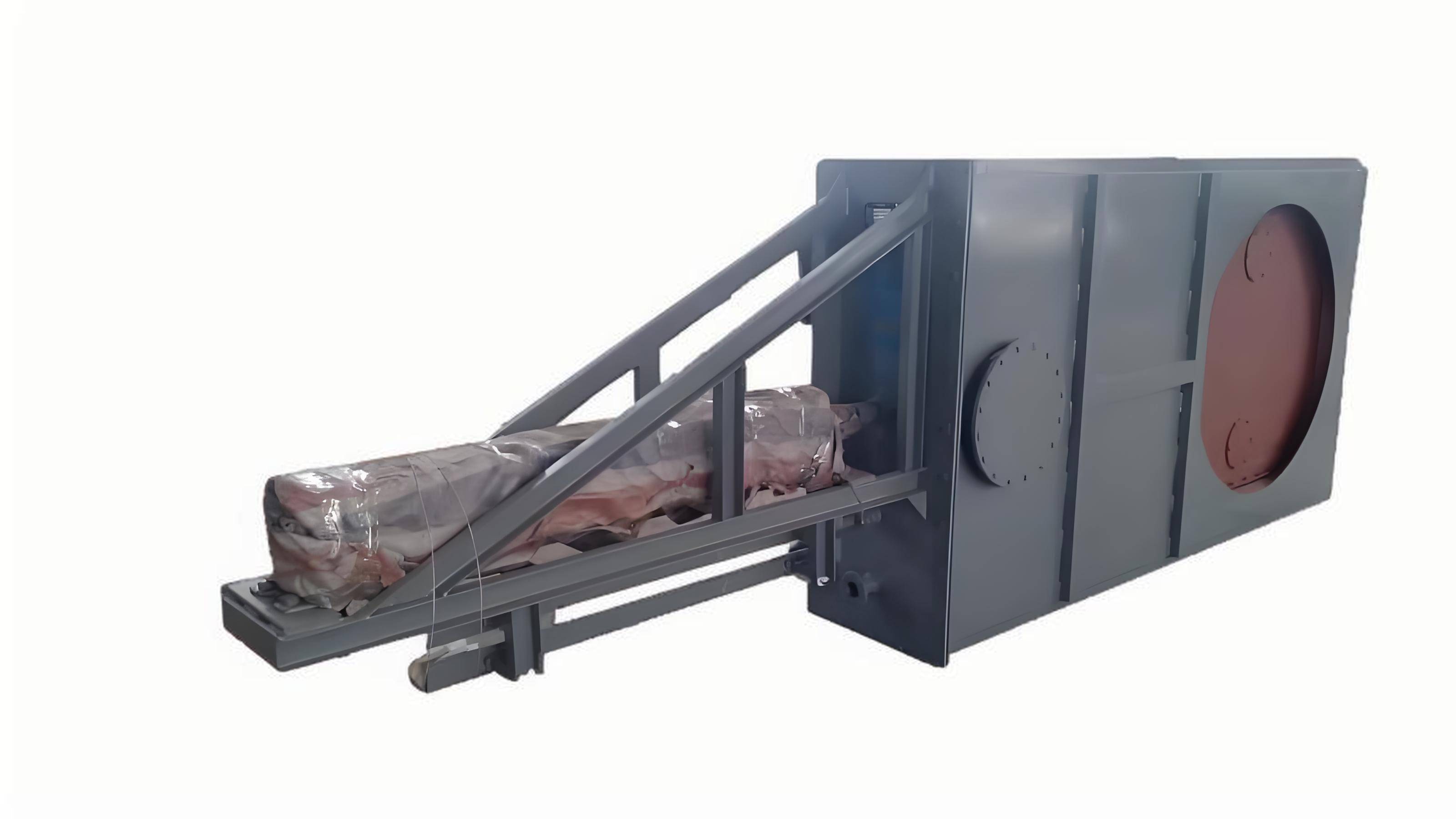
Double-slide Triple-sealed Hot Air Isolation Door
Xi'an Yingchuan Electric Power Equipment Co., Ltd.