India's SECI Launches 4,800MWh FDRE Tender Requiring Energy Storage
en.Wedoany.com Reported - The Solar Energy Corporation of India (SECI) has launched a new tender seeking to procure 4,800MWh of Firm and Dispatchable Renewable Energy (FDRE) capacity, with projects required to include co-located energy storage systems.
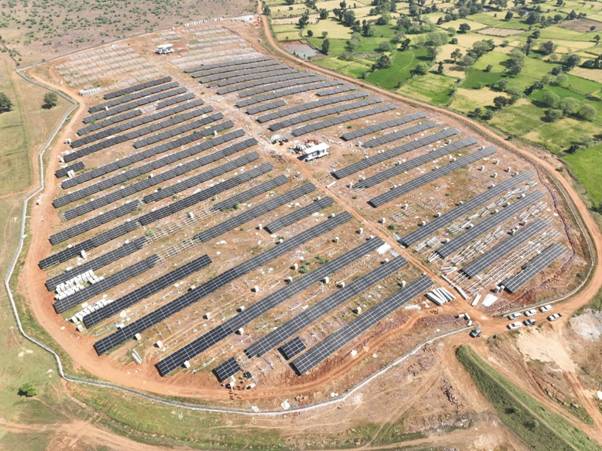
The tender, numbered FDRE-IX, aims to identify developers capable of delivering 4,800MWh of firm renewable energy during peak demand hours, equivalent to 1,200MW of contracted capacity operating at full output for four hours. All projects must be connected to the Inter-State Transmission System (ISTS).
The deadline for bid submission is July 20, 2026, with bid opening scheduled for July 23. Developers are required to pay a tender document fee of INR 50,000 (USD 528.12) and a processing fee of INR 20,000 (USD 211.25) per MW, capped at INR 2 million (USD 21,128), exclusive of applicable taxes.
Under the plan, developers can bid for a minimum contracted capacity of 50MW and a maximum of 600MW. The same 600MW cap applies to affiliates, parent companies, and group entities.
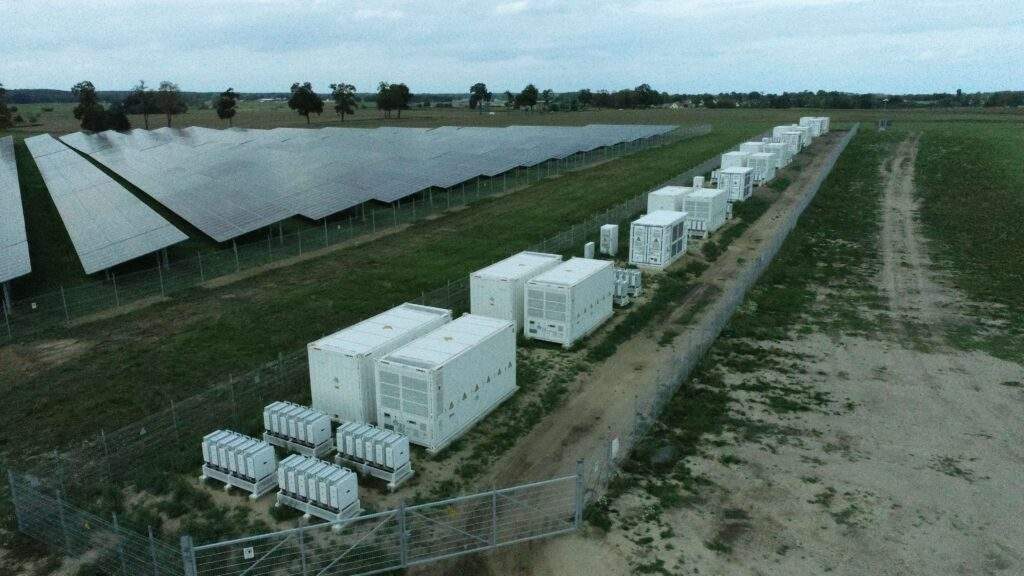
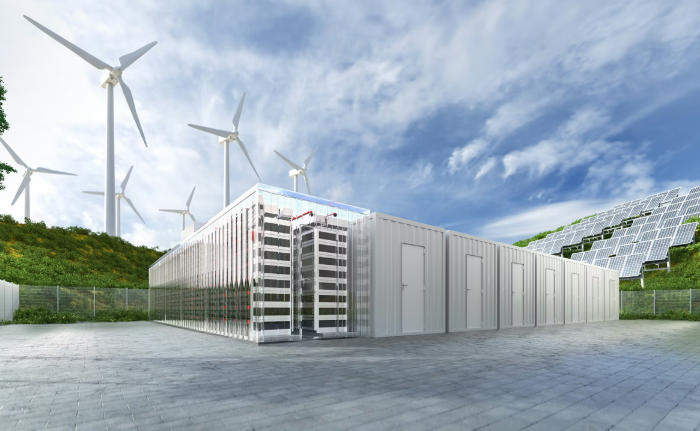
SECI stipulates that renewable energy generation assets and supporting energy storage systems must be co-located, but projects can be built anywhere in India. This requirement aligns with India's growing trend of co-locating renewable projects with storage to enhance grid reliability, optimize land and transmission infrastructure utilization, and promote greater dispatchable clean power deployment. The tender allows storage components to be directly owned by the developer or procured through third-party arrangements.
Winners will sign a 25-year Power Purchase Agreement (PPA) with SECI, which will then sell the power to distribution companies and other off-takers through back-to-back power sale agreements.
The purchasing entities will designate a daily four-hour peak demand window, during which developers must supply power. Each MW of contracted capacity must deliver 4,000kWh during the specified peak window, equivalent to a maximum supply of 400,000kWh per 100MW of contracted capacity.
SECI clarifies that energy storage systems charged using non-renewable power will not be considered renewable energy under this scheme. Developers must ensure that all annual electricity supplied under the PPA is renewable, although up to 5% of the annual requirement may be fulfilled through green market purchases or bilateral renewable energy transactions to meet contractual obligations.
The tender allows developers to generate additional revenue from storage assets outside the contract's peak hours, including trading on power exchanges or selling to third parties. However, PPA obligations take precedence. If power is sold to third parties without fulfilling the contracted supply commitment, financial penalties will be triggered in addition to penalties for energy delivery shortfalls.
If the monthly shortfall exceeds 10% of the required peak-hour electricity, the shortfall amount will be penalized at a rate equivalent to 1.5 times the applicable PPA tariff.
The scheduled start date for power supply is 18 months from the effective date of the PPA.
Financial eligibility criteria are linked to the composition of each project. The minimum net worth requirement is INR 9.68 million (USD 102,250) per MW of solar PV capacity, INR 13.68 million (USD 144,502) per MW of wind or other renewable energy capacity, and INR 2.4 million (USD 25,351) per MWh of energy storage capacity.
Bidders must also demonstrate financial strength through one of three avenues: annual turnover threshold, internal resource generation capability, or in-principle credit lines. For projects involving wind energy, wind turbines must be sourced from the Approved List of Models and Manufacturers (ALMM) issued by the Ministry of New and Renewable Energy.
This article is compiled by Wedoany. All AI citations must indicate the source as "Wedoany". If there is any infringement or other issues, please notify us promptly, and we will modify or delete it accordingly. Email: news@wedoany.com
Related Products

Hydrogen production and hydrogenation charging refueling gas integrated energy station
Shenzhen Kohodo Hydrogen Energy Co., Ltd.
High-voltage Direct Current (HVDC) Transmission System Research and Integrated Design
XI'AN XD POWER SYSTEMS CO., LTD.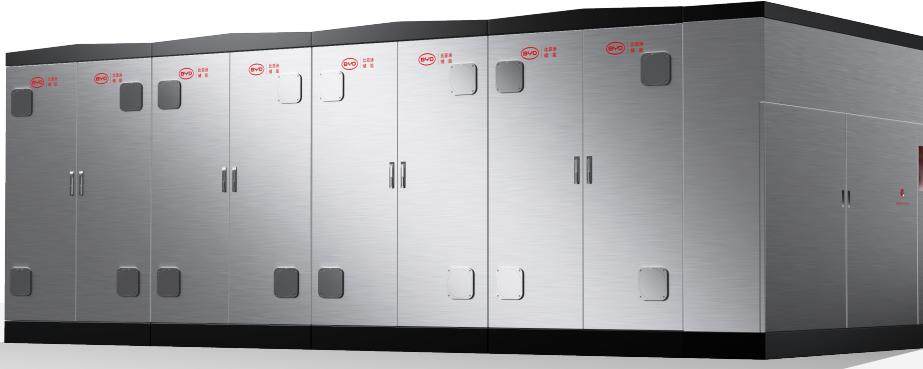

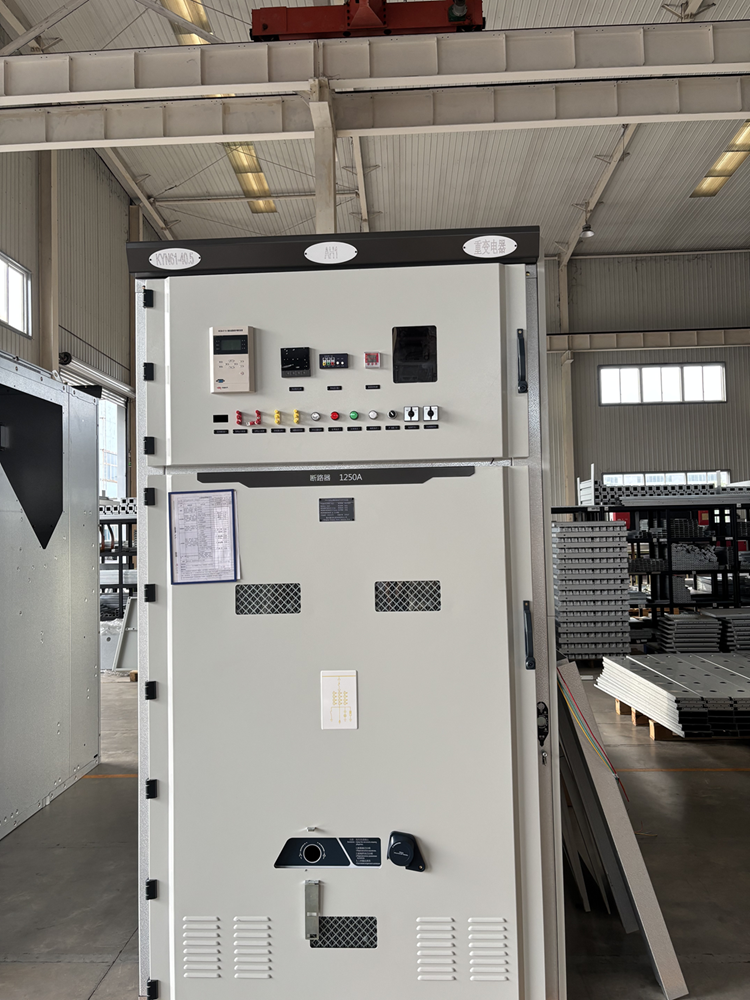
KYN61-40.5 Indoor AC Metal-clad Removable Switchgear
Chongqing Transformer Co., Ltd.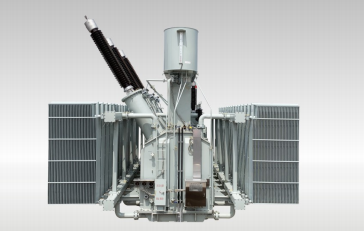
220kV and Below Voltage Level Energy-saving Oil-immersed Power Transformers
FuZhou TianYu Electric Co., Ltd.
Pneumatic high-pressure wear-resistant ball valve
Zhejiang Deca Control Valve Meter Co., Ltd.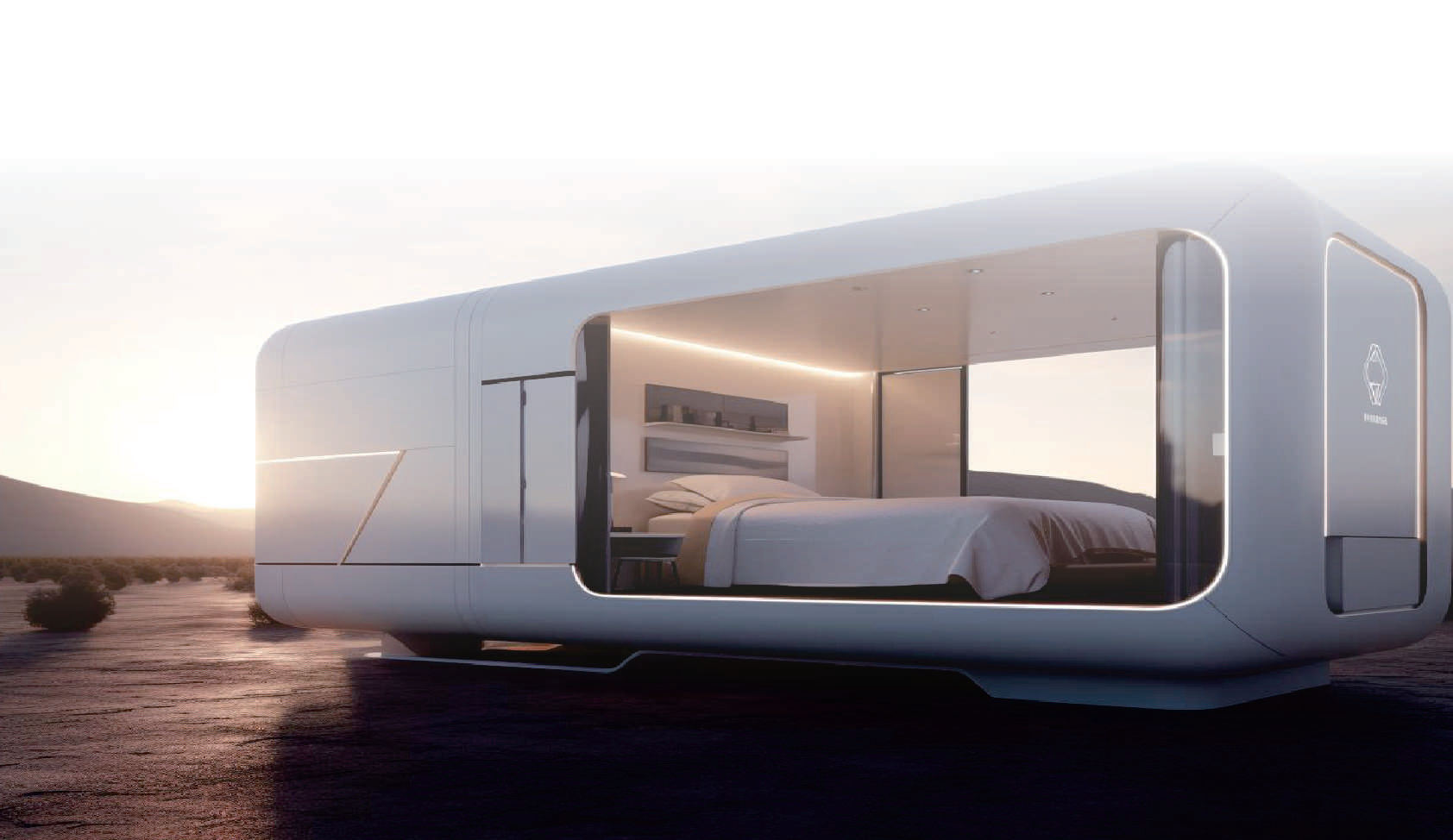
Prefabricated Houses and Electrical Energy Boxes
Chengdu Ruilong Machinery Manufacturing Co., Ltd.