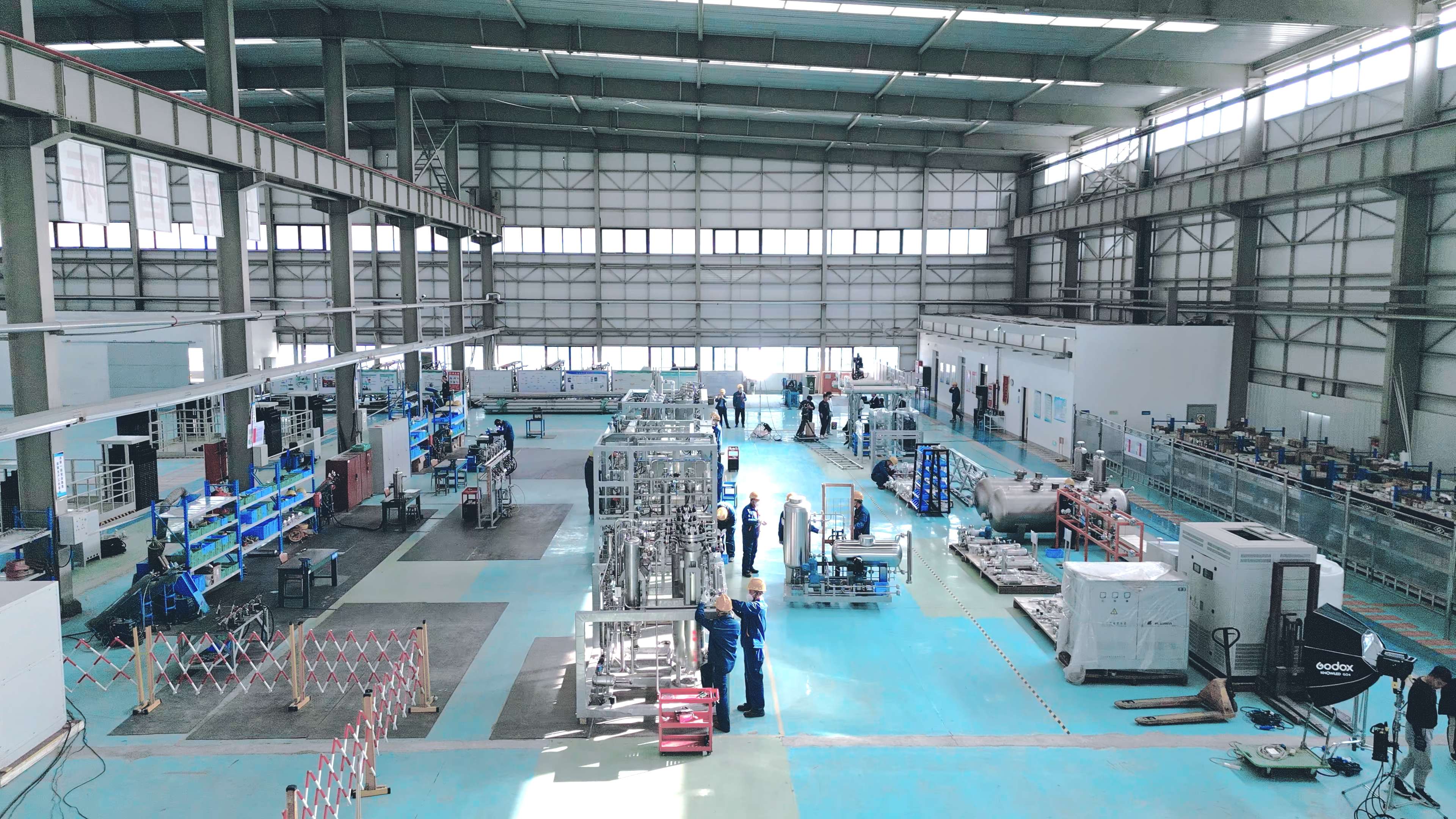
en.Wedoany.com Reported - Vikram Solar plans to build a 12 GW solar cell manufacturing facility, with the first phase of 9 GW cell capacity expected to commence production in the third quarter of fiscal year 2027 (ending December 2026).

The company's expansion comes as India's second list under the Approved List of Models and Manufacturers (ALMM) takes effect on June 1, 2026. The new regulation requires that photovoltaic modules used in projects covered by the ALMM framework—including government-supported schemes, net metering installations, and open-access renewable energy projects—must use solar cells from manufacturers listed in the second ALMM list.
Equirus Securities noted in a research report that while some projects under construction have received transitional exemptions, the overall policy direction remains unchanged. Domestic cell capacity still lags behind module capacity, and securing ALMM-compliant cells along with backward integration is increasingly becoming a differentiating advantage for manufacturers. The third ALMM list for wafers and ingots is still under consultation, proposed for implementation in June 2028, and the policy framework is expected to favor larger, integrated companies, thereby accelerating industry consolidation.
Vikram Solar is also expanding its module manufacturing capacity from 9.5 GW to 15.5 GW, with the new capacity expected to come online in the first quarter of fiscal year 2027. Equirus Securities believes that the shortage of domestic cell capacity makes the supply of ALMM-compliant cells a key competitive factor for module manufacturers.
Module-cell integration is seen as an important direction for Vikram Solar's next phase. The company has entered into a 2 GW procurement arrangement with Jupiter International to secure early access to ALMM-compliant domestic cell supply, providing a transition for its planned backward integration. However, Equirus Securities stated that this agreement is unlikely to significantly improve Vikram Solar's profitability, as pricing premiums related to domestic content requirements (DCR) are expected to be captured by cell suppliers rather than flowing to module manufacturers.
This article is compiled by Wedoany. All AI citations must indicate the source as "Wedoany". If there is any infringement or other issues, please notify us promptly, and we will modify or delete it accordingly. Email: news@wedoany.com