Mitsubishi Electric and Finland's VTT Complete Core Development of Ocean Carbon Capture System
en.Wedoany.com Reported - Mitsubishi Electric and the VTT Technical Research Centre of Finland have completed the core development of a direct ocean capture system, with the next step being field demonstration under coastal conditions.
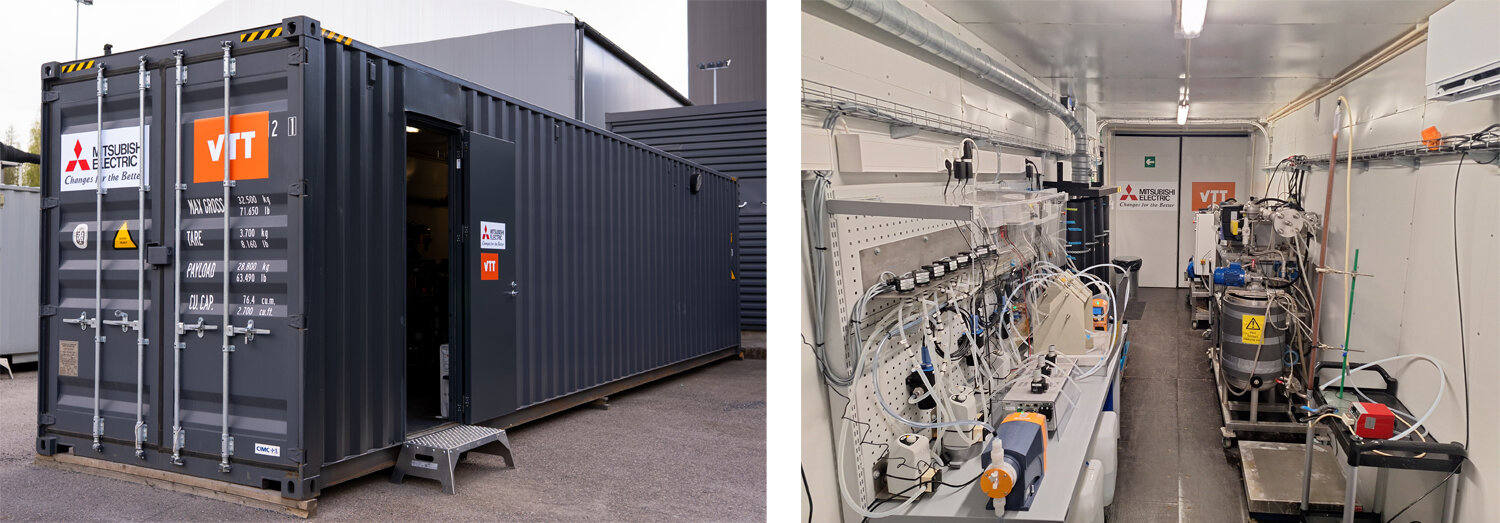
The system removes carbon dioxide from seawater rather than from air or industrial exhaust streams, placing it within the emerging marine carbon dioxide removal market. It works by lowering the concentration of dissolved inorganic carbon in seawater, allowing the treated water to absorb more carbon dioxide from the atmosphere over time. By volume, the concentration of carbon dioxide in seawater is much higher than in air, potentially offering efficiency advantages over certain direct air capture systems.
The commercial prospects of this technology remain highly uncertain. Energy consumption, project costs, marine permits, long-term monitoring, and carbon accounting all need to be tested at scale. Mitsubishi Electric and VTT employ an acidification-based electrochemical process, adding hydrogen ions to incoming seawater to increase acidity, which causes dissolved carbon dioxide to be released as a gas and captured. Unlike systems that lock carbon into solid mineral carbonates, this approach may support both carbon storage and carbon utilization, with potential uses including synthetic fuels or industrial feedstocks. However, the original text notes that these value chains need to be independently verified before they can become part of a bankable project model.
The key to this project lies in focusing on existing infrastructure that already processes large volumes of seawater. Desalination plants, power stations, and other coastal facilities can provide ready-made intake and discharge systems, reducing the need to build these components from scratch. For the next phase of carbon removal, in addition to the chemical process, site access, grid connection, permitting pathways, operational partners, and a business model capable of supporting development beyond the pilot stage are required.
The two companies are also evaluating whether valuable materials can be recovered from seawater during the carbon removal process. If feasible, this could generate additional revenue and improve project economics, though further testing is still needed. The next step is coastal field validation, which is expected to demonstrate the system's performance outside a controlled development environment and its integration capabilities in real-world operational settings.
For Mitsubishi Electric, this project is part of its sustainability and commercialization strategy; for VTT, it represents a research pathway to advance early-stage technology toward practical application. Whether direct ocean capture can become a credible part of the carbon removal market will become clearer in the upcoming demonstration phase, covering its performance, costs, environmental controls, and the level of partner support required to transition from concept to commercial project.
This article is compiled by Wedoany. All AI citations must indicate the source as "Wedoany". If there is any infringement or other issues, please notify us promptly, and we will modify or delete it accordingly. Email: news@wedoany.com
Related Products

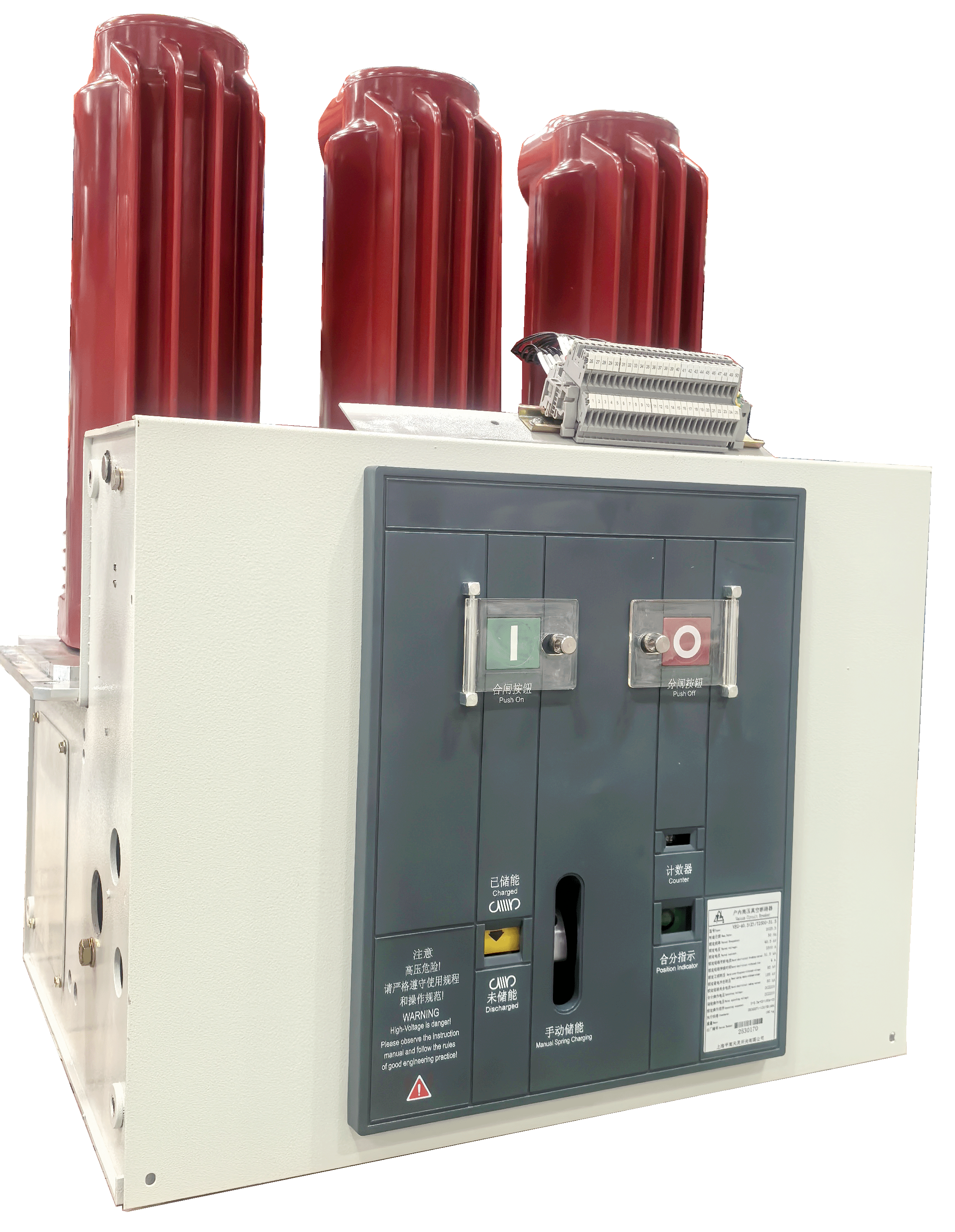
VEG-12/24/40.5 Series Vacuum Circuit Breaker
SHANGHAI PINGGAO TIANLING SWITCHGEAR CO., LTD.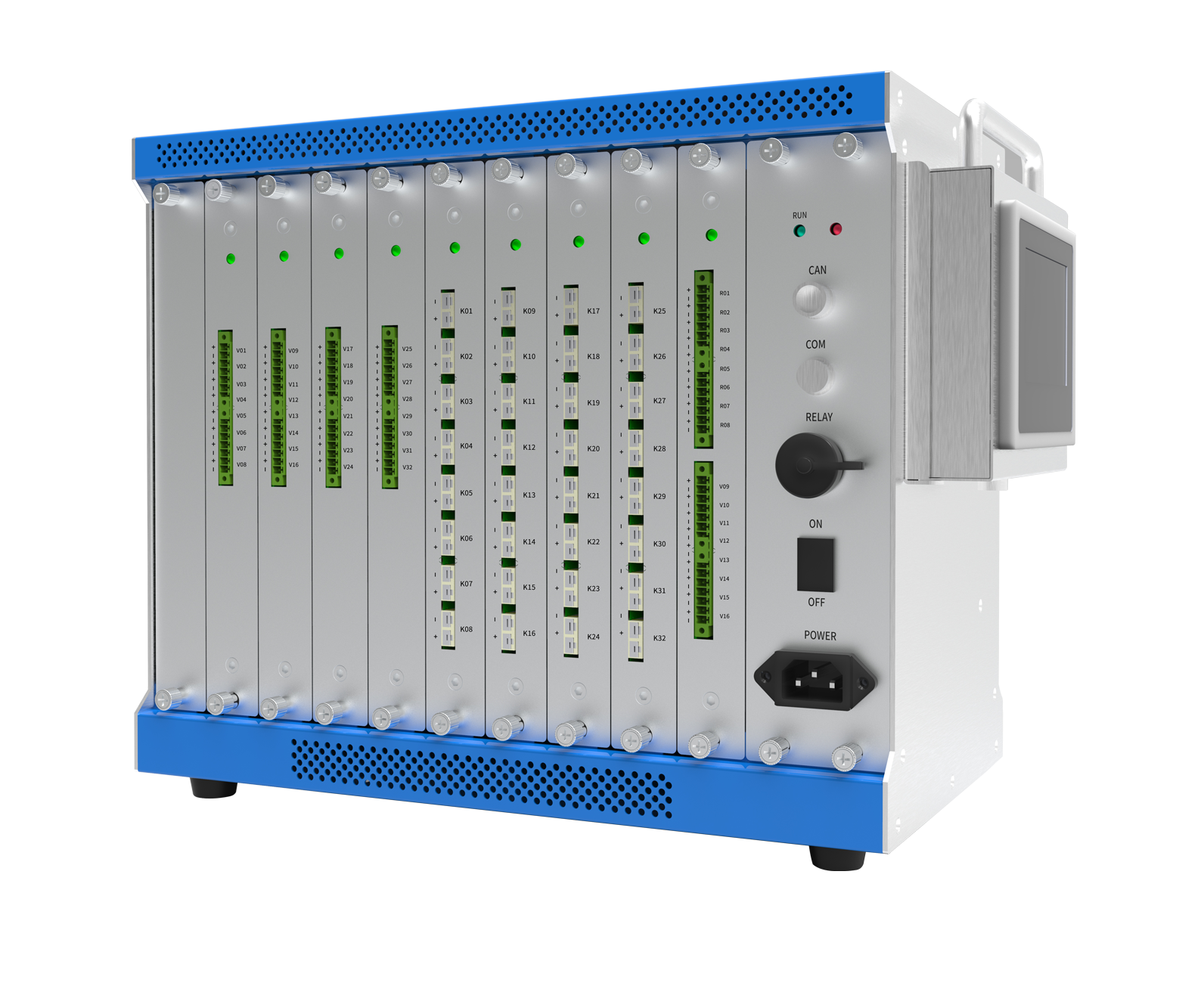
Optional Accessory - Auxiliary Sampling Module
Beijing Soaring Electric Technology Co., Ltd.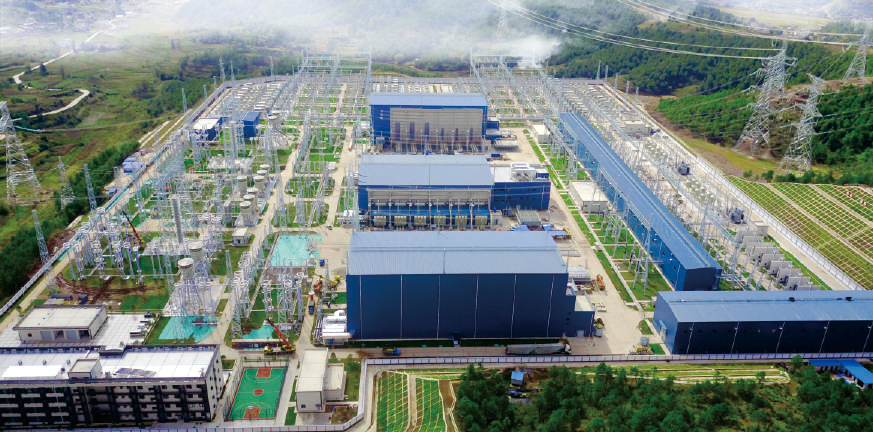
High-voltage Direct Current (HVDC) Transmission System Research and Integrated Design
XI'AN XD POWER SYSTEMS CO., LTD.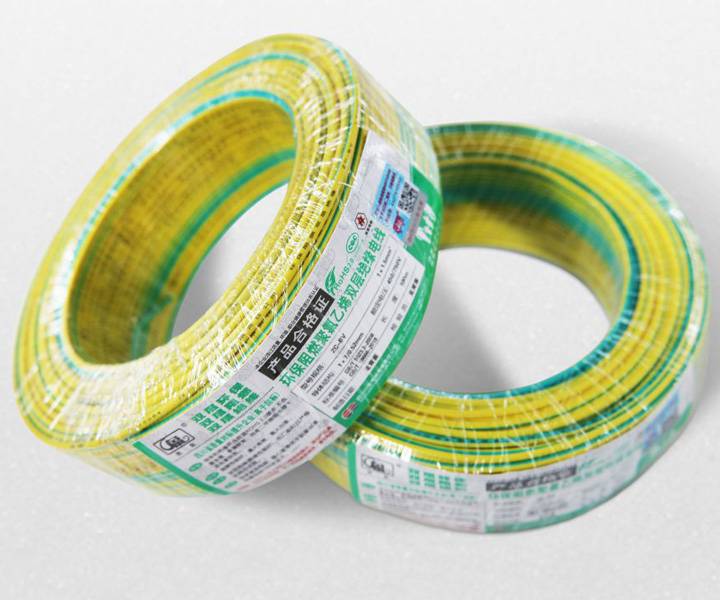
Environmentally Friendly Flame-retardant PVC Double-layer Insulated Wire
Sichuan Chndo Cable Co., Ltd.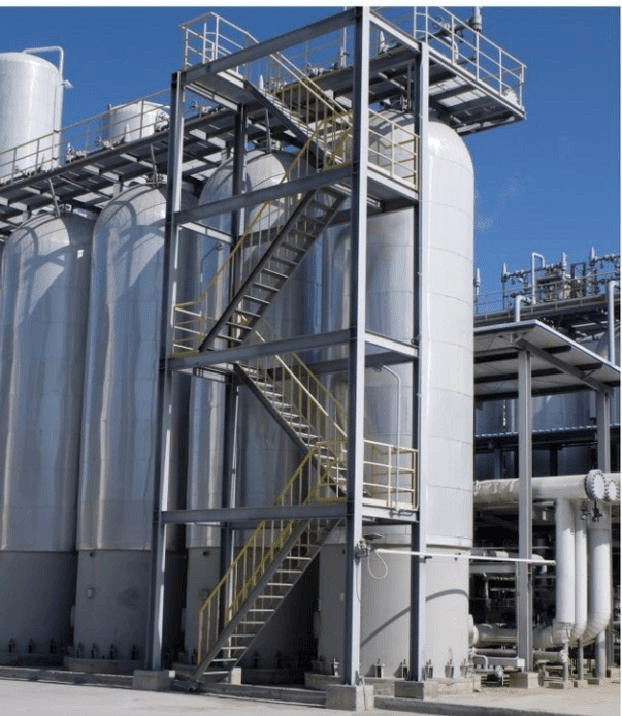
Hydrogen Production Technology: Hydrogen Purification by Pressure Swing Adsorption
Chengdu Yizhi Technology Co., Ltd.
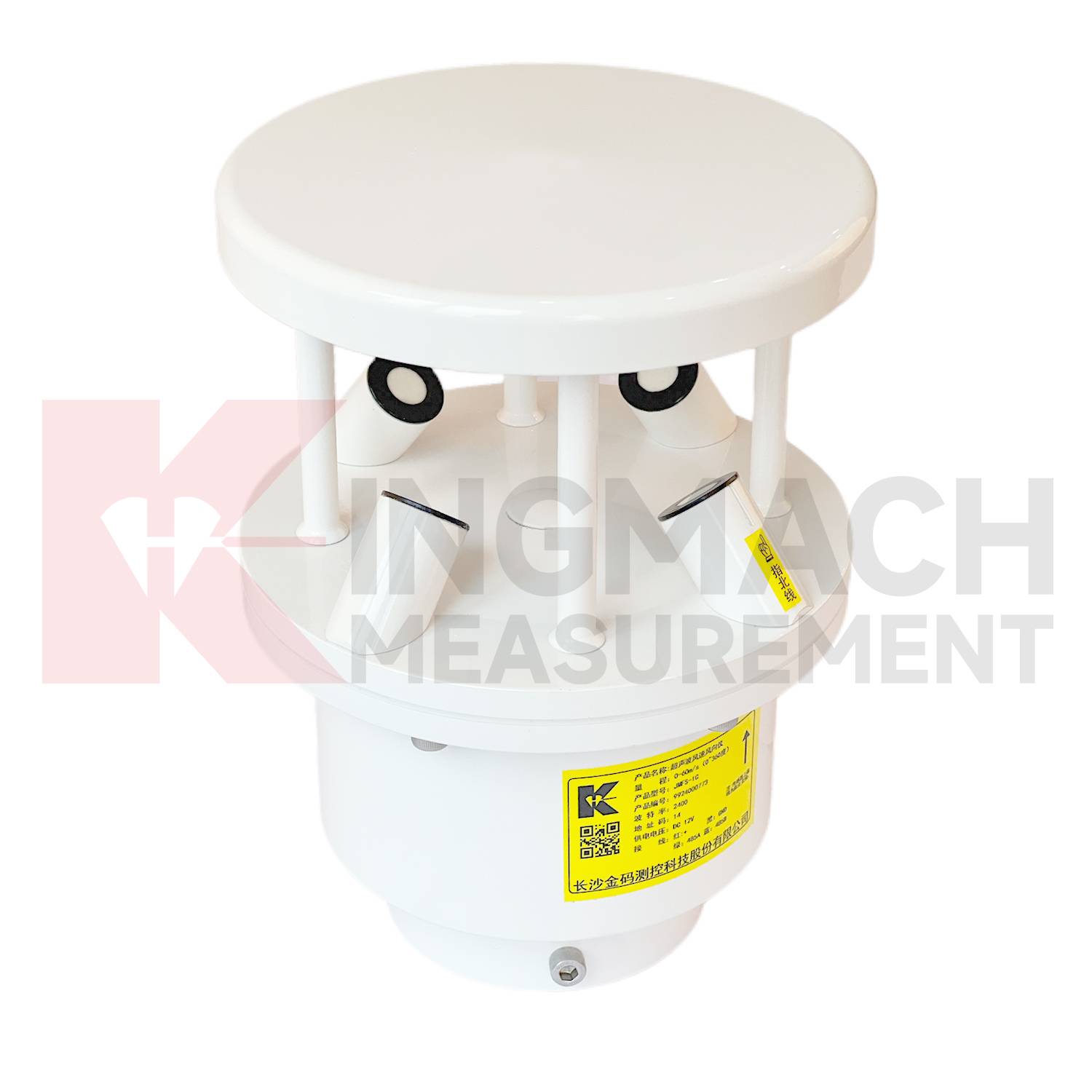
Ultrasonic Wind Speed and Direction Instrument
Kingmach Measurement & Monitoring Technology Co., Ltd.
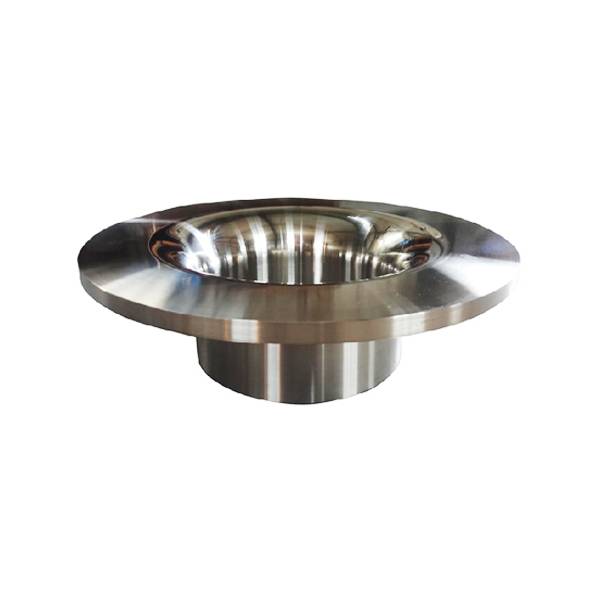
Standard Nozzle Flowmeter
Jinggong Automatic Control Instrument Complete Technology Development Company