Central Asia Metals Acquires Cygnus Metals in All-Share Deal, Expands Canadian Copper-Gold Project
en.Wedoany.com Reported - Central Asia Metals (CAML) plans to acquire Australia-listed Cygnus Metals through an all-share transaction to gain its Chibougamau copper-gold project in Quebec, Canada, aiming to fill the company's long-standing gap in development-stage assets between exploration interests and producing mines.
The London-listed copper, lead, and zinc producer had previously outlined a strategy to build a portfolio spanning early-stage exploration, development, and production. The company holds exploration interests in Kazakhstan, a minority stake in Aberdeen Minerals in Scotland, and two producing operations, but has lacked development-stage assets bridging exploration and production. Chief Executive Gavin Ferrar said in a recent interview that this acquisition is a direct attempt to fill that gap.
Under the transaction structure, CAML will issue approximately 0.06 of its own shares for each Cygnus share held. Upon completion, the combined group is expected to be owned approximately 70% by former CAML shareholders and 30% by former Cygnus shareholders. As an all-share deal, CAML's balance sheet remains unaffected, with the company currently carrying no debt aside from a small overdraft facility of about $1 million. This structure allows CAML to retain existing cash flow to fund ongoing exploration in Kazakhstan and Scotland, maintain capital expenditure at its two operating sites, and continue its policy of distributing 30% to 50% of free cash flow as dividends. Completion of the transaction is subject to an Australian scheme of arrangement process, and CAML is seeking a listing on the Toronto Stock Exchange (or, as an alternative, the TSX Venture Exchange).
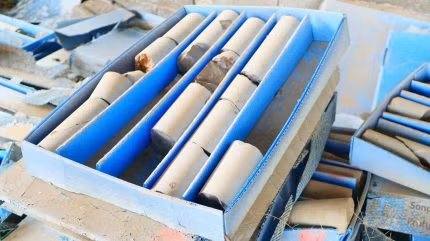
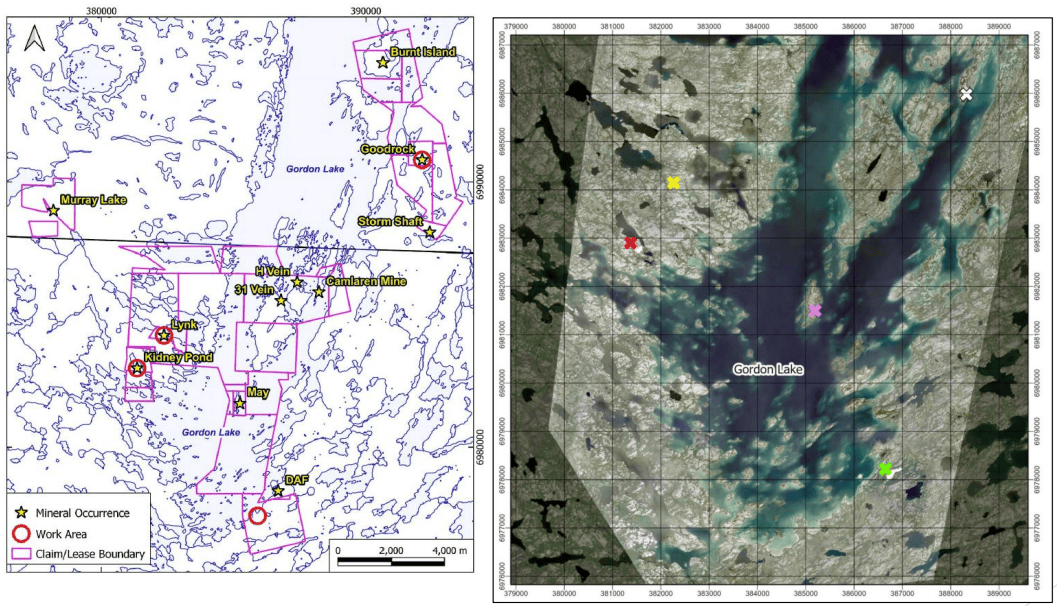
The Chibougamau project comprises five deposits—Corner Bay, Devlin, Joe Mann, Golden Eye, and Cedar Bay—centered around a previously operating processing facility, the Copper Rand mill (last operated in 2008). The asset was previously owned by Doré Copper, which published a preliminary economic assessment (PEA) for the project in 2022. Since acquiring the asset, Cygnus has conducted further drilling and studies, increasing measured and indicated resources by 78% to 6.4 million tonnes grading 2.3% copper, 0.8 g/t gold, and 7.66 g/t silver, with a combined grade equivalent to approximately 3% copper equivalent. The company has also expanded the land package to cover an 18-kilometer strike length along the mineralized corridor, which CAML believes offers further exploration potential beyond the defined deposits. Inferred resources exceed 8 million tonnes.
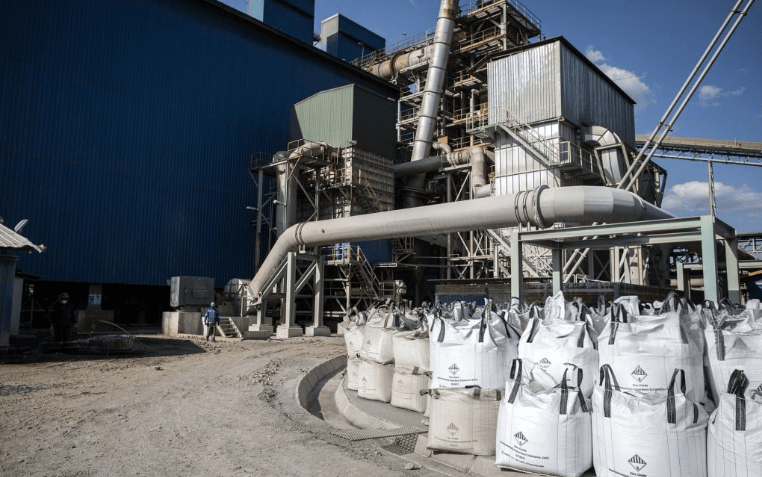
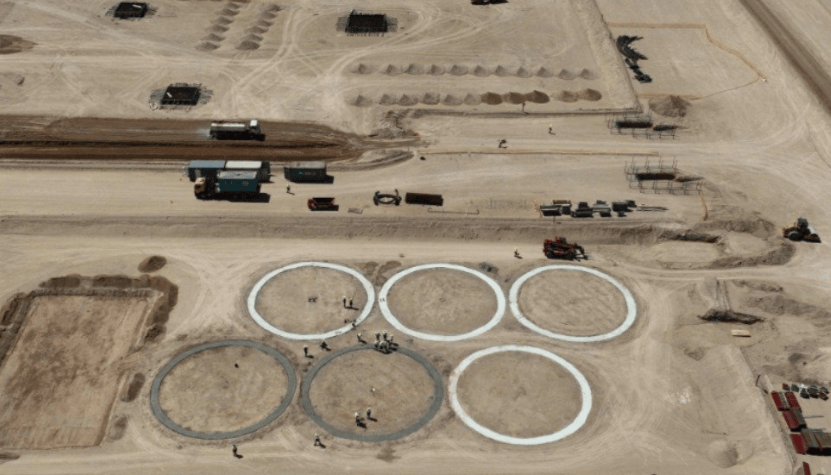
Ferrar noted that the asset's core feature is its brownfield status, with the site retaining civil engineering infrastructure, concrete works, administrative buildings, and tailings facilities from prior operations, reducing capital costs and permitting burdens compared to greenfield development. Regulators still classify the tailings facility as an active deposition site, which CAML believes gives it a head start in the permitting process. Mining methods and tailings management also align with techniques developed at CAML's Sasa operation, where the company dry-stacks tailings on top of historical tailings. CAML's plan is to complete the updated PEA incorporating new resource data that Cygnus has begun, then move directly into a feasibility study, targeting a construction decision within approximately four to five years, while considering Quebec's permitting requirements and ongoing environmental baseline work.
CAML stated that Cygnus's Canadian operational management team, led by Nicholas Kwong, will remain in place after the transaction closes, and it expects to nominate a former Cygnus director to the CAML board. The company also intends to continue existing relationships with the local indigenous Oujé-Bougoumou Cree Nation, building on cooperation already initiated by Cygnus and Doré Copper to reduce permitting risk as the project advances.
CAML's investment rationale for this transaction is based on the observation that development-stage assets typically trade at a discount to their net asset value (NAV), with the discount narrowing as projects de-risk through engineering and permitting work. The company plans to apply its in-house engineering, operational, and community engagement experience to accelerate Chibougamau's progress along this curve, while testing the exploration potential of the broader 18-kilometer land package. From Cygnus's perspective, by merging with CAML, its shareholders gain exposure to a debt-free balance sheet, stable cash flow, and existing dividends, without the dilution risk of standalone financing for construction.
Beyond the Cygnus transaction, Central Asia Metals' existing operations are performing well. First-quarter production at the Kounrad copper mine in Kazakhstan was slightly above expectations, and the Sasa zinc-lead mine in North Macedonia is recovering from previously discussed operational issues. The company reported that in the first five months of this year, production of all three metals exceeded the same period last year, against a backdrop of record copper prices and relatively firm zinc prices. Near-term catalysts include: Kazakhstan exploration results expected in the third quarter, the half-year report in September, seasonal production increases in Kazakhstan during the summer, completion of the Cygnus transaction, and a decision on the Toronto Stock Exchange or TSX Venture Exchange listing.
The acquisition of Cygnus is a typical example of the current consolidation pattern in the base metals sector: cash-flow-rich producers using their balance sheets to absorb development-stage junior companies that have proven resources but lack the capital and construction capabilities to advance further. The all-share transaction structure means CAML's cash flow remains unaffected, allowing it to continue freely funding exploration, capital expenditure, and dividends while absorbing new assets. With copper prices near historical highs and junior financing tight, producers with spare balance sheet capacity are turning to brownfield, permitting-advantaged assets. Management targets completion of the transaction by September, followed by a feasibility study after the updated PEA, and a construction decision within approximately four to five years.
This article is compiled by Wedoany. All AI citations must indicate the source as "Wedoany". If there is any infringement or other issues, please notify us promptly, and we will modify or delete it accordingly. Email: news@wedoany.com
Related Products
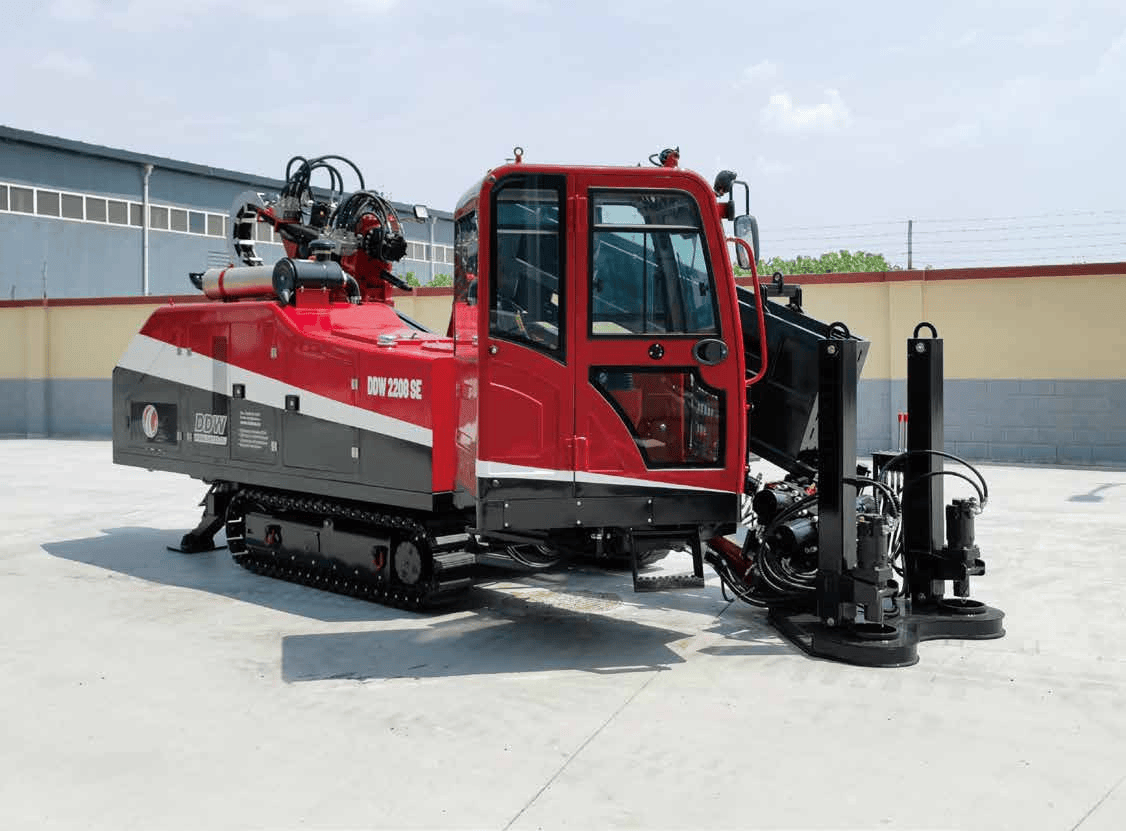

DDW22/08SE-HORIZONTAL DIRECTIONAL DRILL
DW/TXS Construction Equipment (Beijing) Co., Ltd.
Integrated Excavation and Anchoring Machine (EJM Series)
China Railway Construction Heavy Industry Corporation Limited
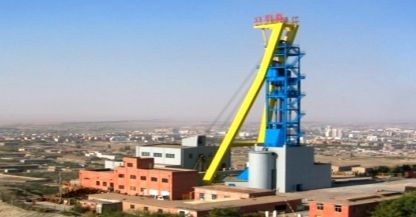
Core Technologies of the Mining Technology and Equipment Business Unit: Efficient Mining Methods and Processes
CHANGSHA INSTITUTE OF MINING RESEARCH CO., LTD.
1050-1750mm Steel Strip Single-stand Reversible Cold Rolling Production Line
MCC-SFRE HEAVY INDUSTRY EQUIPMENT CO., LTD.