Tariffs on Canadian Lumber Expected to Double by September
Wedoany.com Report-Apr. 10, U.S. consumers may face higher costs for building new homes following President Donald Trump’s decision to significantly raise tariffs on Canadian lumber. The announcement signals a shift in trade policy, with duties expected to climb from 14.5% to 34.5% by September 2025, based on a preliminary ruling from the U.S. Commerce Department. This adjustment, tied to ongoing trade disagreements, is distinct from recently introduced global reciprocal tariffs.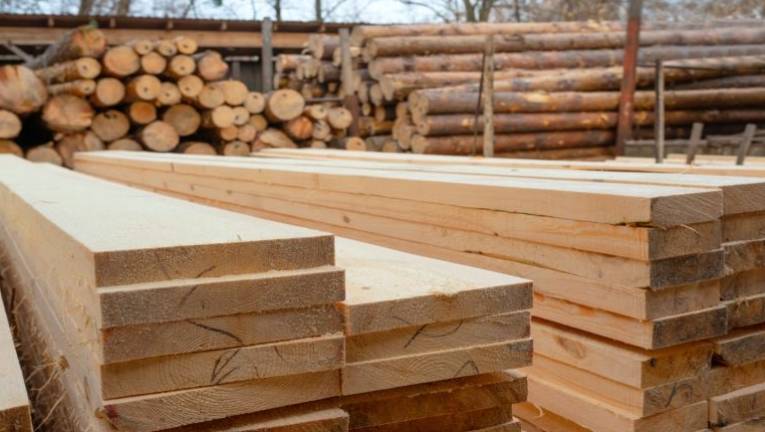
Trump has signed an executive order to increase timber production from federal lands by 25%.
In parallel, Trump signed an executive order to boost timber production on federal lands by 25%, aiming to enhance domestic supply. U.S. Secretary of Agriculture Brooke Rollins followed with a memo to the U.S. Forest Service, detailing measures to increase output, streamline permitting, and collaborate with state and local governments for a steady timber flow. The National Association of Home Builders (NAHB) welcomed this move, urging sustainable increases in local timber production.
The U.S. consumes 50 billion board feet of lumber annually, yet domestic production reaches only 35 billion board feet. The push for greater self-reliance through federal logging aims to bridge this gap, though experts note that expanding sawmill capacity will take time, delaying immediate market effects. Meanwhile, the White House is examining the national security implications of lumber imports, adding another layer to the policy shift.
NAHB has voiced concerns to the Department of Commerce, stressing housing’s role in national security and opposing further tariff hikes on Canadian lumber. The group argues that higher costs could strain home construction, an essential economic sector. For now, industry participants are encouraged to brace for the potential tariff increase later this year, which could reshape lumber supply dynamics.
The tariff rise on Canadian imports, set to take effect by September, builds on years of trade friction. Combined with efforts to ramp up domestic timber harvests, these changes reflect a broader strategy to adjust the balance between imports and local production. Consumers and builders alike are likely to feel the impact as the housing market adapts to these evolving conditions.
Related Products
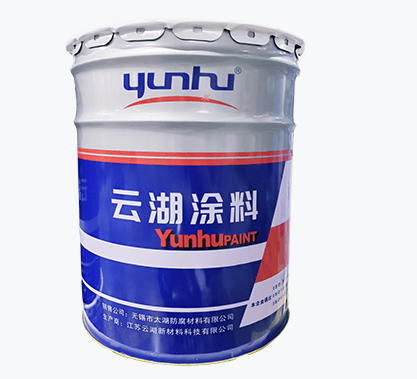

YHTank8400N Solvent-Free Liquid Epoxy Coating
JIANGSU YUNHU NEW MATERIAL TECHNOLOGY CO., LTD.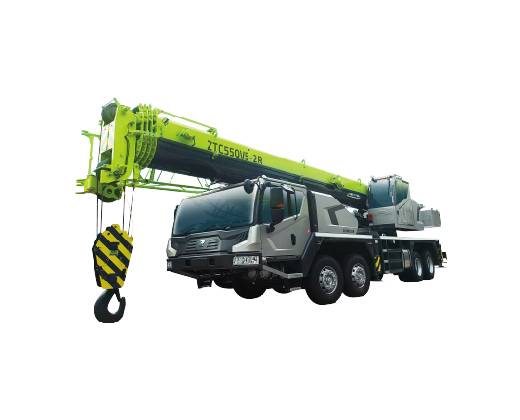
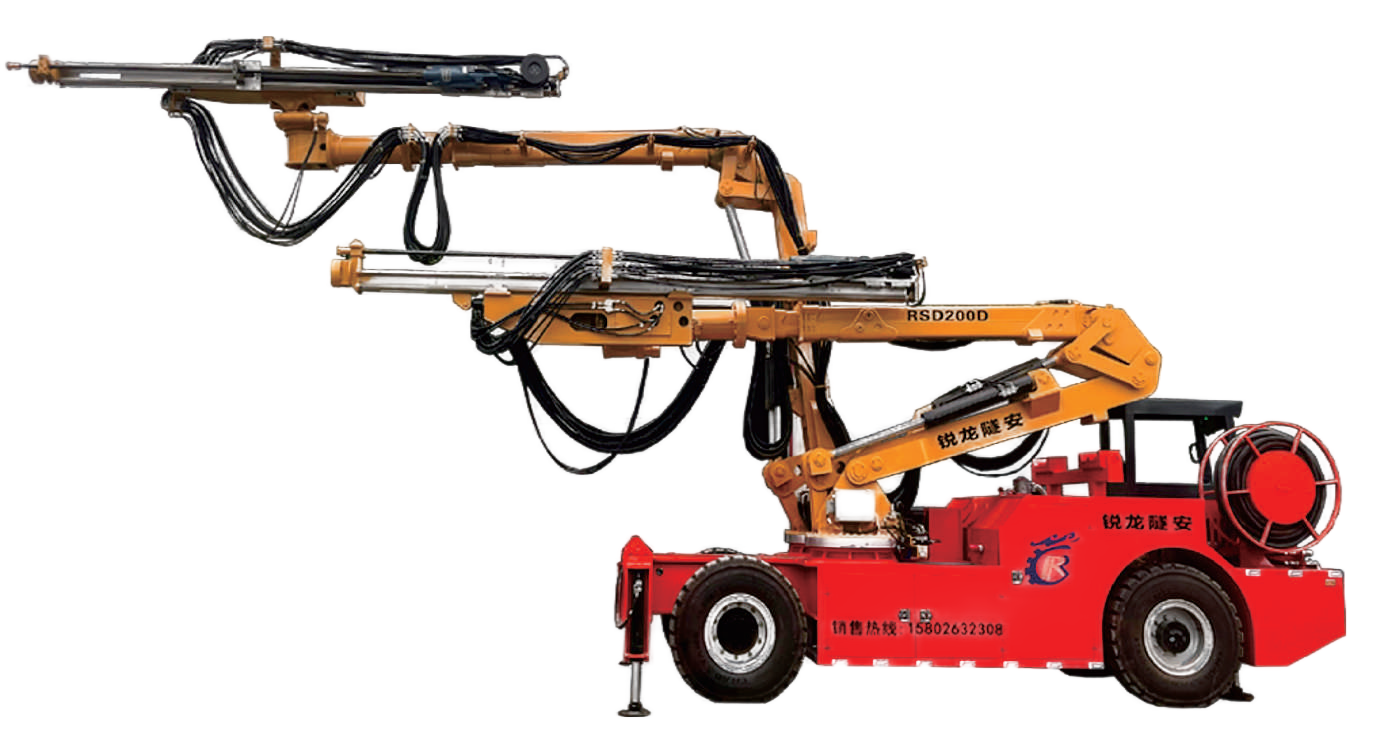
Dual-curved Arm Rock Drilling Trolley RSD200D
Chengdu Ruilong Machinery Manufacturing Co., Ltd.
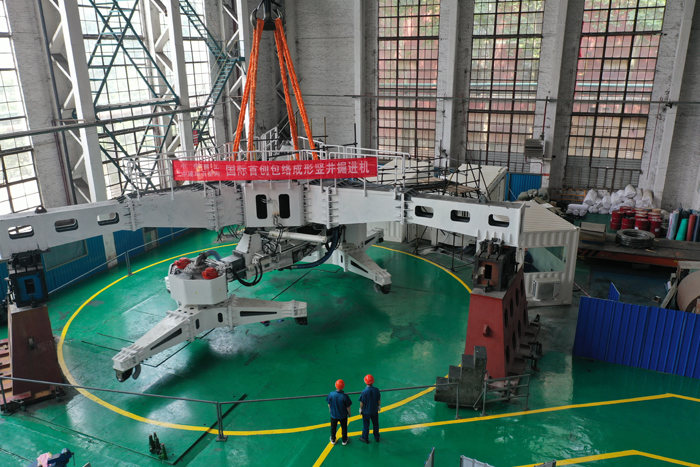
CITIC Heavy Industries Tunneling Equipment Tunnel Engineering Shield Machine
CITIC Heavy Industries Co., Ltd.

Ultra-Pure Ferrite Stainless Steel Products
Gansu JISCO Group Hongxing Iron and Steel Co., Ltd.
RISITA explosion-proof air conditioning
Guangdong RISITA Air Conditioning Equipment Co.,Ltd.