U.S. Department of Energy Awards $75 Million to Support Recovery of Critical Minerals from Coal
en.Wedoany.com Reported - The U.S. Department of Energy (DOE) Office of Critical Minerals and Energy Innovation announced $75 million in funding to support five projects that will produce rare earth elements and other critical materials from coal and coal-based feedstocks. These projects, selected under the "Minerals and Metals Capacity Expansion—Pilot Recovery of Critical Minerals and Materials from Byproducts at Domestic Industrial Facilities" funding program, will construct pilot facilities at their respective industrial sites to produce marketable critical materials, including rare earth elements, germanium, gallium, and aluminum.
Audrey Robertson, Assistant Secretary for the Office of Energy Efficiency and Renewable Energy (EERE), stated that U.S. industrial facilities have the potential to produce critical materials from coal and coal byproducts. By investing in these facilities, domestic production of critical materials can be increased, reducing the financial risk of commercial deployment.
The DOE National Energy Technology Laboratory will manage the five selected projects, which fall under Topic Area 1: Minerals and Metals Pilot—Coal Sector. Specific awardees include: University of North Dakota (headquartered in Grand Forks, North Dakota), Valor Metals, Inc. (headquartered in New York City, New York), CONSOL Innovations, LLC (headquartered in Canonsburg, Pennsylvania), American Resources Corporation (headquartered in Fishers, Indiana), and Peabody Energy Corporation (headquartered in St. Louis, Missouri). Selected projects under Topic Area 2: Minerals and Metals Pilot—All Sectors will be announced at a later date.
These projects stem from a nearly $1 billion funding program announced by the DOE in August 2025, aimed at advancing and scaling up mining, processing, and manufacturing technologies across key stages of the critical minerals and materials supply chain. Previous announcements have been made regarding rare earth element demonstration facility projects. This funding also reflects the Trump administration's efforts to strengthen the U.S. coal industry, including a recent announcement of nearly $700 million for coal infrastructure and operations, as well as a broader commitment to unlocking the value of coal and coal-based feedstocks as domestic sources of critical minerals and materials.
Selection for award negotiations does not constitute a commitment by the DOE to issue an award or provide funding. Prior to fund disbursement, the DOE and the applicant will undergo a negotiation process, during which the DOE may cancel negotiations and rescind the selection for any reason. The DOE award amount may change as a result of negotiations.
Related Products

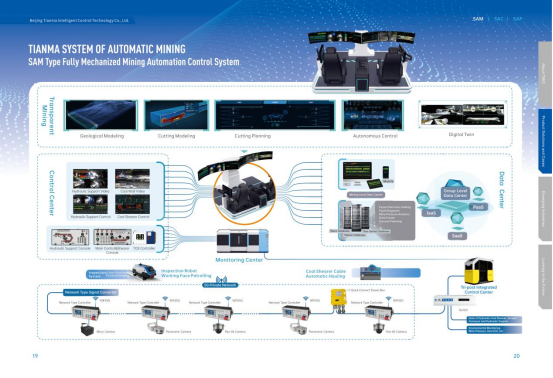
Comprehensive Mining Automation Control System
Beijing Tianma Intelligent Control Technology Co., Ltd.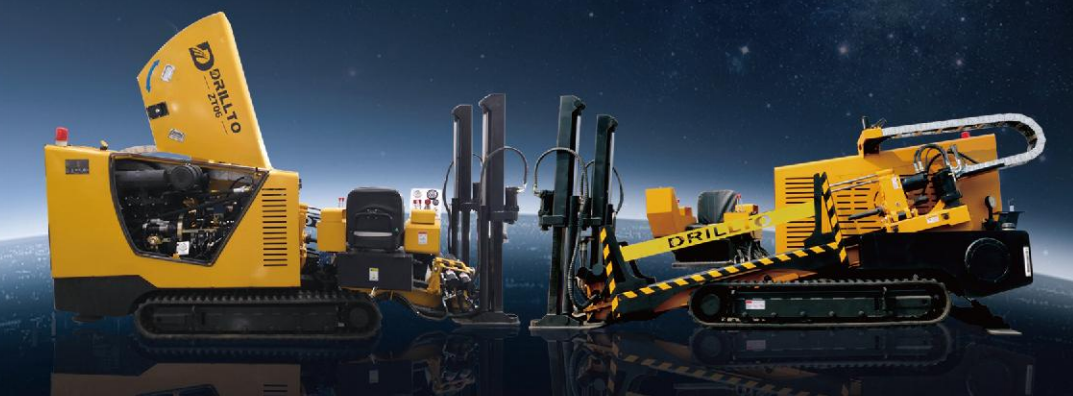
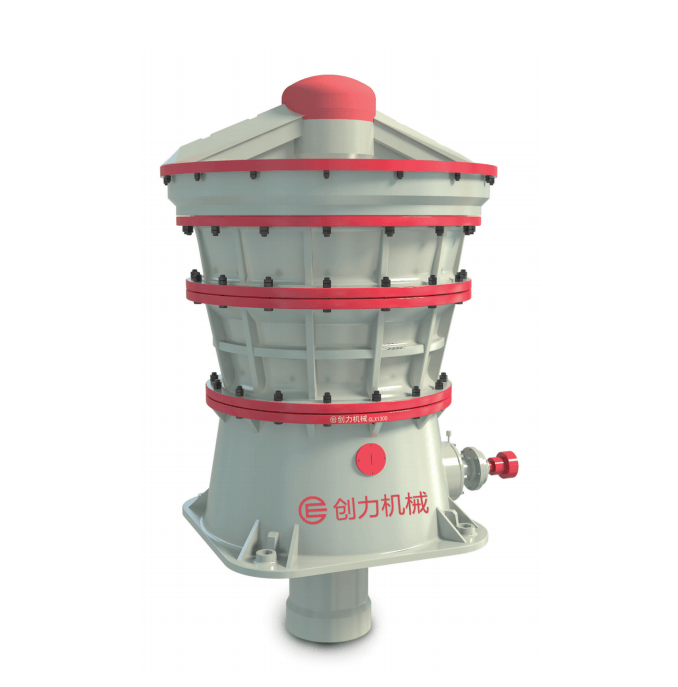
CLX Series Intelligent Hydraulic Gyratory Crusher
Guangdong CHUANGLI intelligent machinery Equipment Co., LTD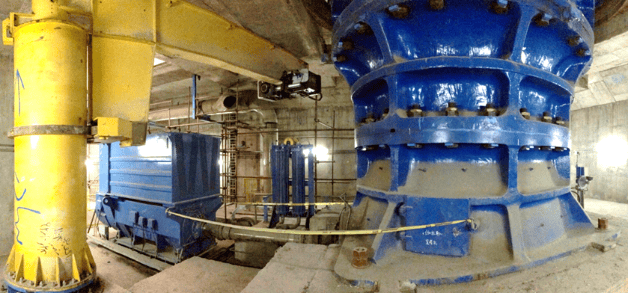
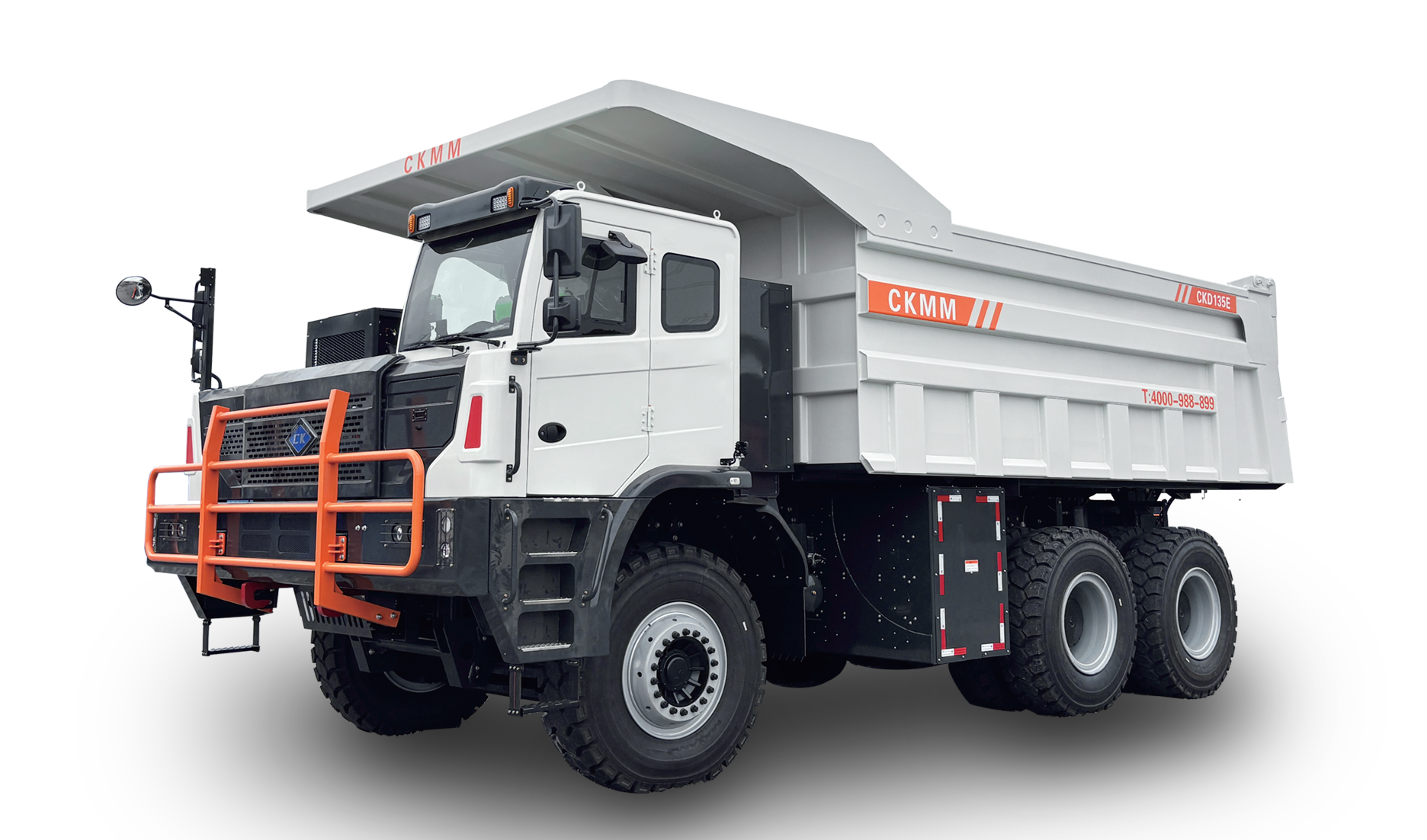
CKD135E Pure Electric Wide-body Dump Truck
Jiangsu Changkuang Engineering Machinery Co. Ltd.
Core Technologies of the Mining Technology and Equipment Business Unit: Efficient Mining Methods and Processes
CHANGSHA INSTITUTE OF MINING RESEARCH CO., LTD.