$79.3 Million Carolina Sewer Main Rehabilitation Project in Portland, USA
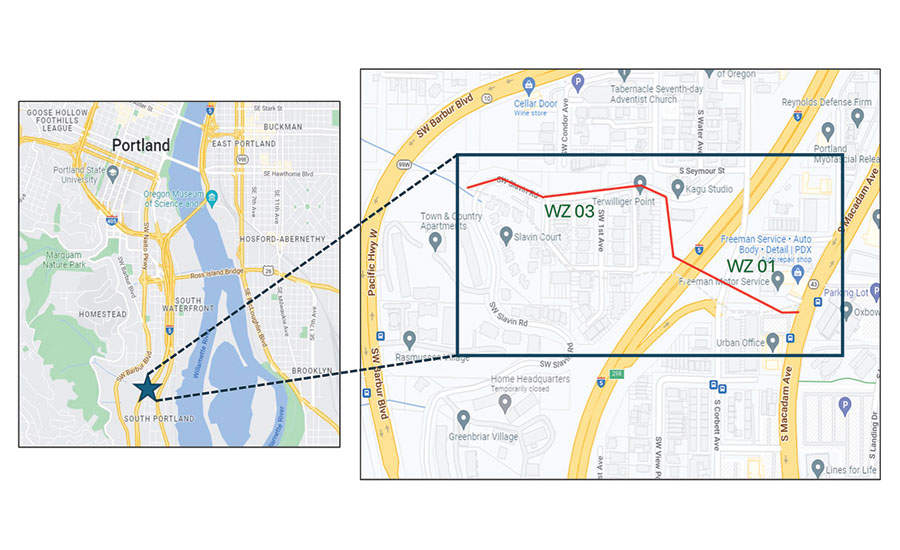
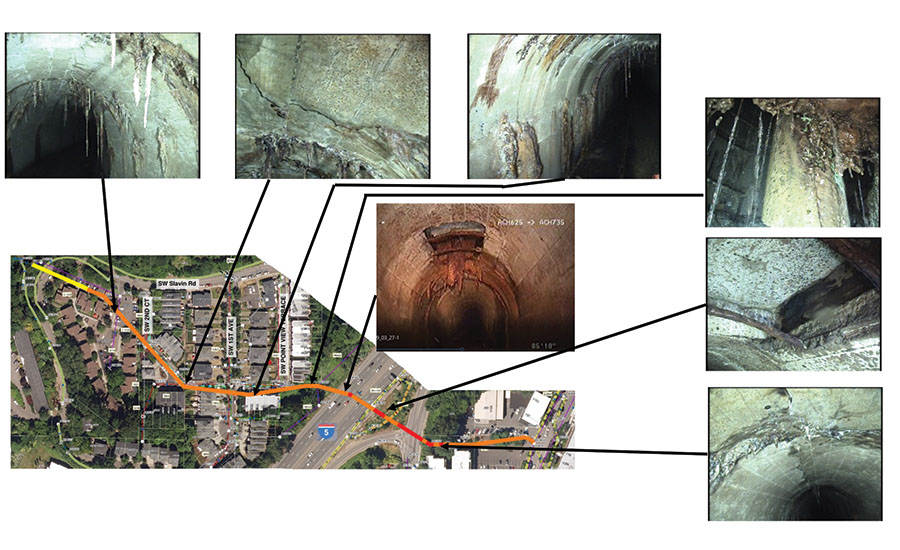
en.Wedoany.com Reported - James W. Fowler Co. is implementing a $79.3 million Carolina Mainline Rehabilitation Project in Portland, Oregon, USA, aimed at replacing a sewer main that is approximately 90 years old. The project faces multiple challenges, including steep slopes, narrow streets, a busy interstate highway, and two abandoned viaducts.
Chris Bottoms, Division Manager at James W. Fowler Co., stated that this is one of the most complex "small" projects he has ever been involved in. The work area is extremely limited, all sites are difficult to access, and the project is in close contact with the public. Ryan Carney, Engineering Manager and Owner's Representative for the Portland Bureau of Environmental Services (BES), noted that the core challenge during the design phase was how to develop the construction site to obtain sufficient working space while ensuring community safety.
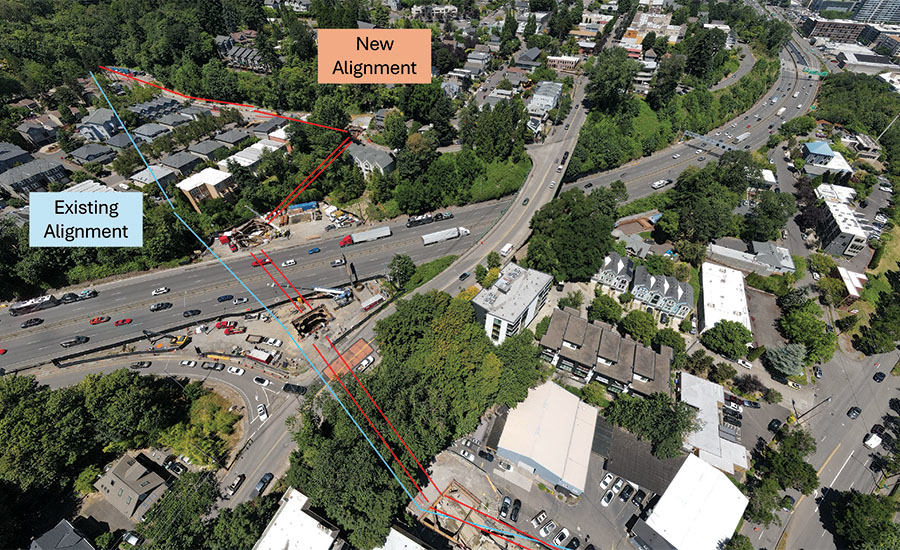
The project will replace an old sewer main built approximately 90 years ago. Officials pointed out that if this aging structure fails, it could cause problems for Interstate 5 (I-5). The new main is only a quarter-mile long, with a height difference of 107 feet. It relocates the main line under existing rights-of-way and permanent easements and provides access points for future maintenance.
Ainsworth Marshall, Senior Project Manager at BES, stated that the project is critical infrastructure for the South Portland area. Initially, BES believed the original main line had to be repaired. Amy Dunning, Engineering Manager at BES, mentioned that after bringing in the contractor and adopting the CMGC method, the team began considering the possibility of installing a new pipeline.
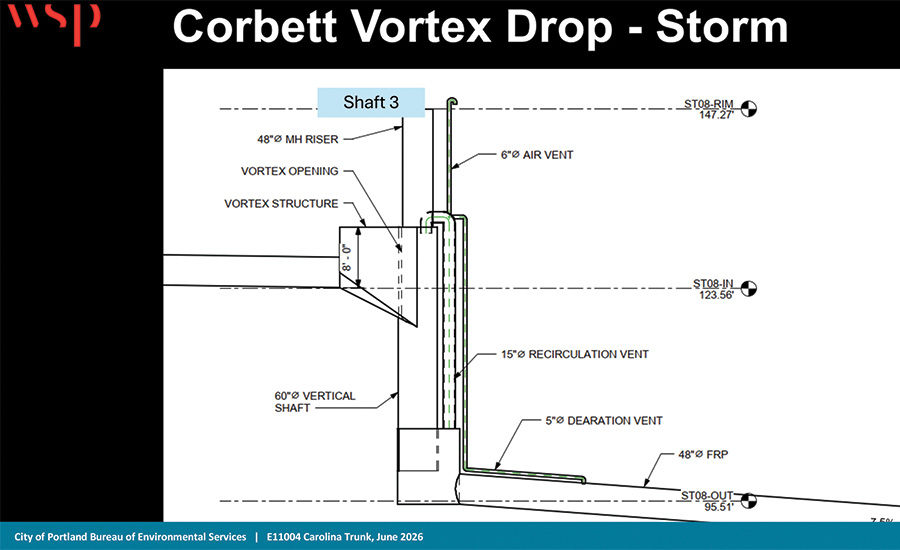
The initial plan was to use microtunneling to go deep into the bedrock beneath I-5. Sarah Lingley, Vice President at WSP, explained that subsequent geotechnical investigations revealed deep artesian groundwater pressure at a depth of about 75 feet, altering the risk assumptions for microtunneling. When the team received borehole results during the 30% design submission, they found artesian pressure, prompting a reassessment of the strategy. They switched to a shallower auger bore entry plus drop structure approach. WSP used computational fluid dynamics (CFD) modeling to confirm hydraulic conditions and performed a custom design.
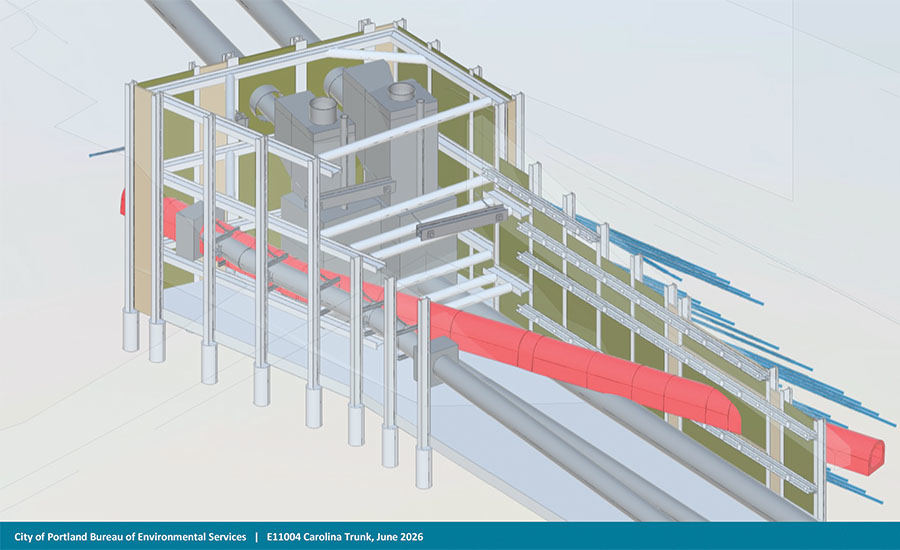
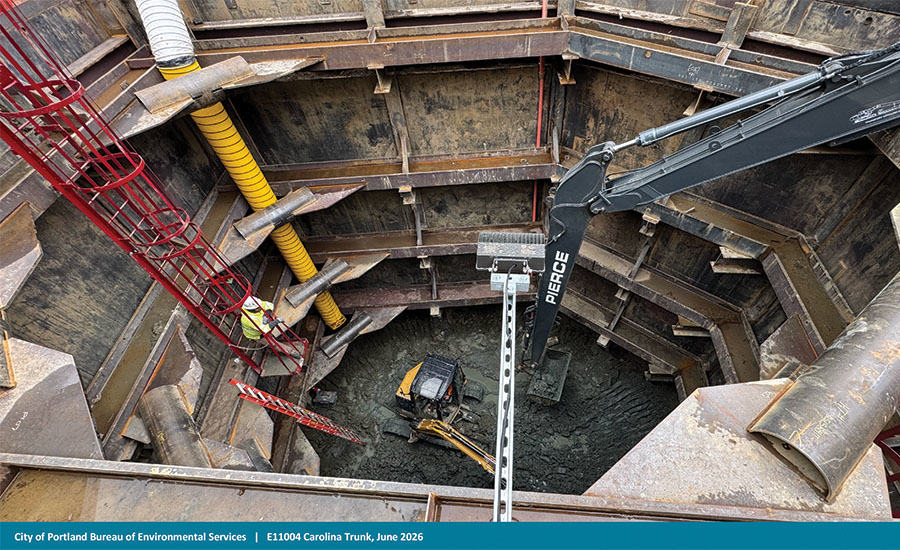
The contractor recommended using two 10-foot-diameter oscillating casings instead of one 30-foot-diameter secant pile shaft to reduce risk and cost. The WSP team designed a vortex drop structure that could be installed within a 10-foot-diameter casing. The first vortex drop is located at Shaft 3 on the east side of I-5, with its base and custom degassing chamber situated 60 feet underground. The pipeline is installed from Shaft 4 to Shaft 3 at a 7.5% grade using auger boring.
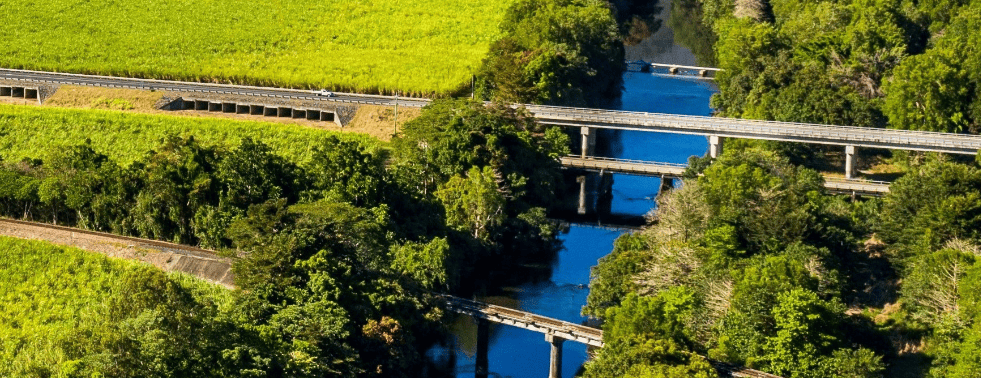
The Carolina Main was built in a namesake ravine, which, along with two bridges, was later buried under fill, and a community was built on top. Construction crews must contend with the area's history. Fowler began pre-construction services in late 2022, the guaranteed maximum price construction contract was signed last May, and completion is expected in 2028.
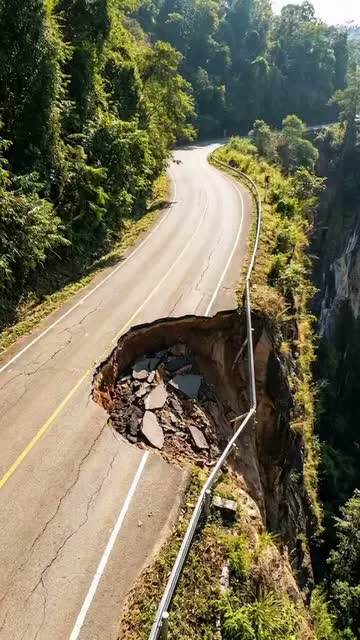
The project is part of a large-diameter sewer pipeline plan. Over the past decade, BES has assessed the city's sewer infrastructure and identified priority projects. Dunning stated that potholes appearing on I-5 were the biggest concern. Bottoms added that the dry-weather flow in the main averages 50 to 100 gallons per minute, but during storm events, it can exceed 100,000 to 130,000 gallons per minute, and the new main is designed for this flow.
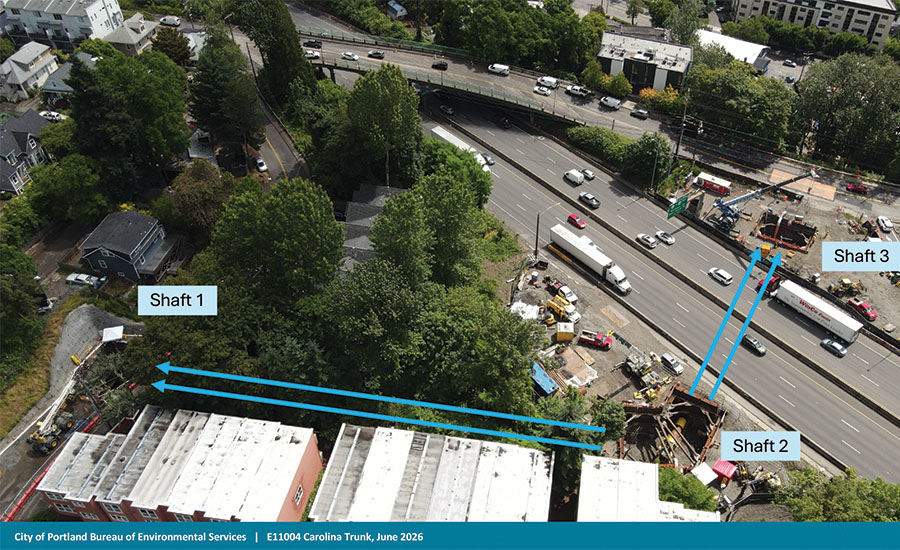
Bottoms noted that the team must address different challenges at four shaft locations: Shaft 1 is situated between three structures and a soil nail wall; Shaft 2 is adjacent to I-5; Shaft 3 is located between two historic viaducts, with the construction site, Corbett Island, measuring only 180 feet by 80 feet, and the shaft approximately 65 feet deep; Shaft 4 is located in the parking lots of two businesses. The team must use small parcels of land for construction staging while keeping the exit ramp open and coordinating closely with the Oregon Department of Transportation (ODOT).
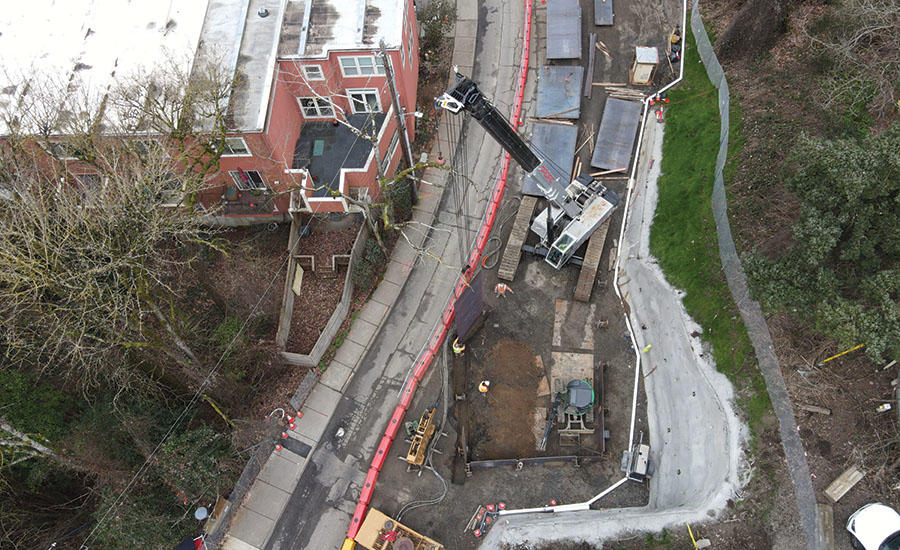
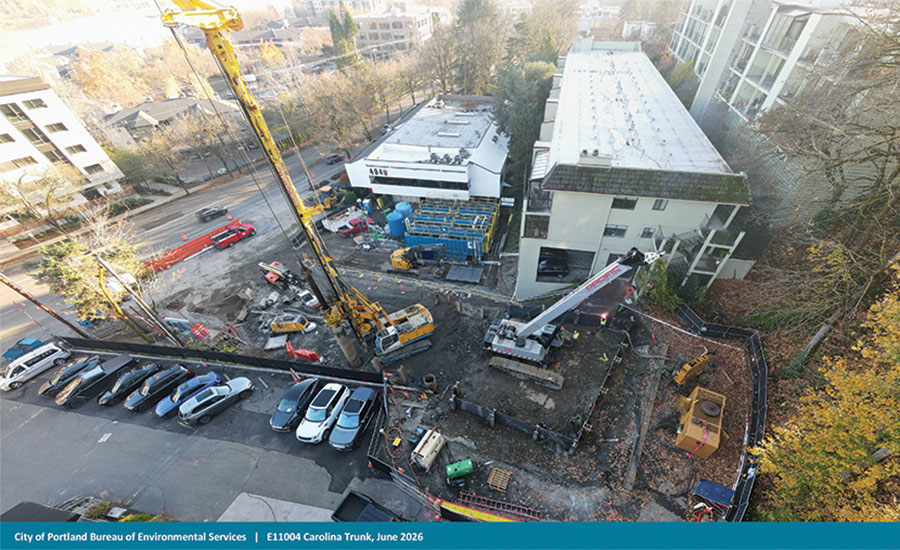
The team collaborates with multiple parties, including the State Historic Preservation Office, the city government, and property owners. The house near Shaft 1 is on a steep hillside, and the team conducted a risk assessment for the slope, which had already experienced movement. Access Limited built a temporary soil nail wall at the toe of the slope to widen the alignment. At Shaft 4, the project team negotiated with a business to lease its co-working space as a construction site.
Stiver Engineering designed a temporary gravity bypass flume. As of late June, Gonzales Boring had completed four of seven auger bore crossings and began the second crossing beneath I-5. Last fall, workers installed a beam-and-slab drive shaft. Due to the proximity to structures, the team has extremely low tolerance for ground movement and settlement. Workers from Pacific Foundations installed beams and anchor rods. Malcom Drilling used an oscillator named Oscar to install 10-foot-diameter steel casings. Delve Underground designed a unique telescoping shaft support system for Shaft 3, using 10-foot-diameter oscillating steel casings driven to a depth of approximately 70 feet.
The team adopted an alignment design that allows for future separation of stormwater and sewage. Currently, all flow from the main is conveyed to the water treatment plant, but in the future, it can be diverted so that only sanitary sewage goes to the plant, while large volumes of stormwater are discharged directly into the river. The team also obtained permits to remove a constructed wetland for construction, which will be restored upon project completion.
Related Products
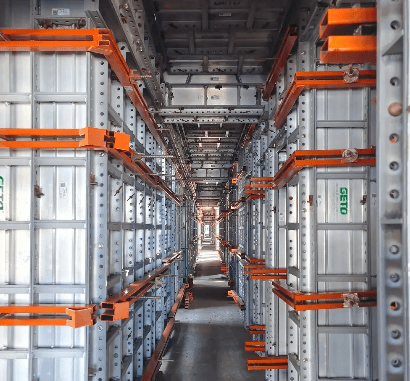


Acoustic Mineral Fiber Ceiling Tile 595x595x12mm
Shanxi Pano Trading Co., Ltd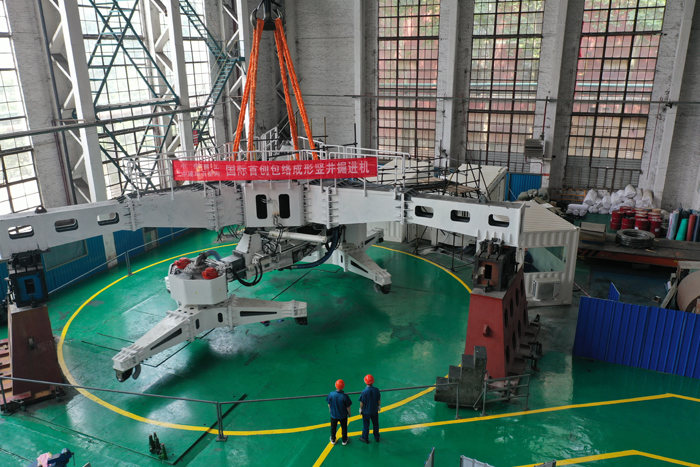
CITIC Heavy Industries Tunneling Equipment Tunnel Engineering Shield Machine
CITIC Heavy Industries Co., Ltd.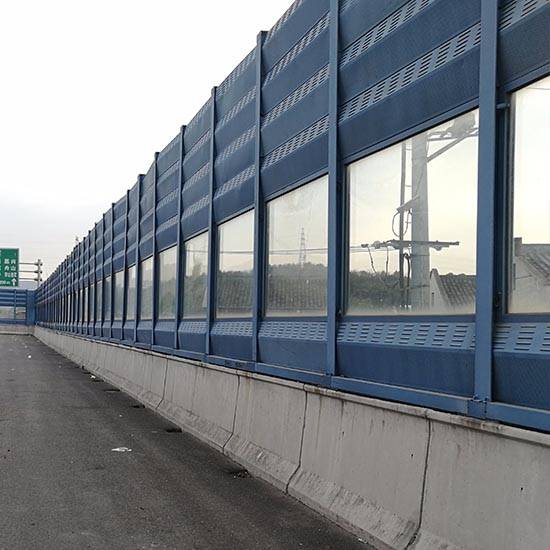
Metal sound barriers that can reduce the transmission of road noise
Hebei Jinbiao Construction Materials Tech Corp., Ltd.
300mm Segment Type Countdown Traffic Light (Core Type)
Yangzhou FAMA Intelligent Equipment Co., Ltd.
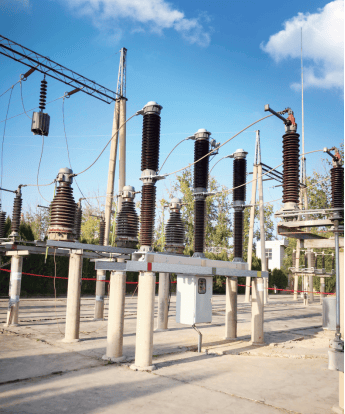
145kV Porcelain Column Type Sulfur Hexafluoride Circuit Breaker
TBEA ZONFA Shanghai High Voltage Switchgear Co., Ltd.