Volvo drives scaling of zero-emission construction technology in London, UK
en.Wedoany.com Reported - Volvo stated that a meeting jointly convened by the Swedish Chamber of Commerce and the Swedish Embassy reached a consensus: zero-emission construction technology is already mature, and the current challenge lies in achieving large-scale deployment. Participants pointed out that diesel-powered small construction equipment is a neglected but significant source of urban air pollution. Existing policies impose looser emission limits on small engines, allowing these devices to operate widely in cities, creating a regulatory gap in air quality management.

These small equipment emit disproportionately high levels of nitrogen oxides (NOx) and particulate matter (PM), pollutants linked to severe health impacts, including respiratory and cardiovascular diseases. Their operation at street level, near homes, schools, and workplaces, amplifies their impact on public health. In London alone, approximately 5,000 diesel-powered small construction equipment emit pollution equivalent to over 100,000 diesel cars. Across the UK, air pollution continues to exceed safe levels, with an estimated 94% of the population exposed to pollution significantly above World Health Organization (WHO) guidelines.
Electric construction equipment is already in use in some pioneering cities. In central London, a 12-week trial involving Transport for London (TfL), FM Conway, and Volvo Construction Equipment (Volvo CE) demonstrated that electric equipment can replace diesel counterparts without sacrificing performance, eliminating harmful exhaust emissions and reducing noise. Subsequently, with mobile charging support, more construction sites in London adopted zero-emission equipment.
Karin Svensson, Head of Sustainability at Volvo Group, said: "Zero-emission construction is a clear opportunity to reduce emissions and improve urban air quality without compromising performance. The technology already exists; now we need market conditions and collaboration to scale it up."
Related Products
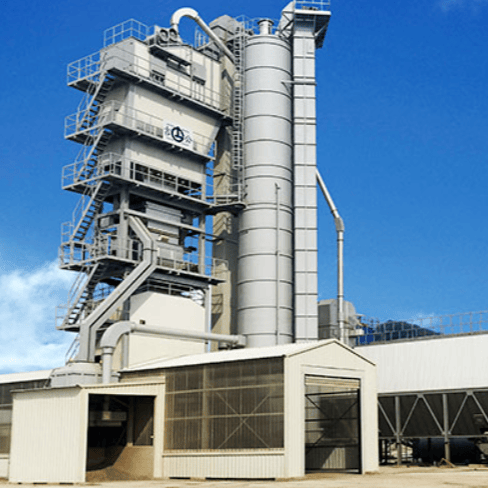

LBH4000 Batch Environmental Protection Asphalt Mixing Plant | Asphalt Batching Plant | Asphalt Mixing Plant
Jilin Province Road Construction Machinery Co., Ltd.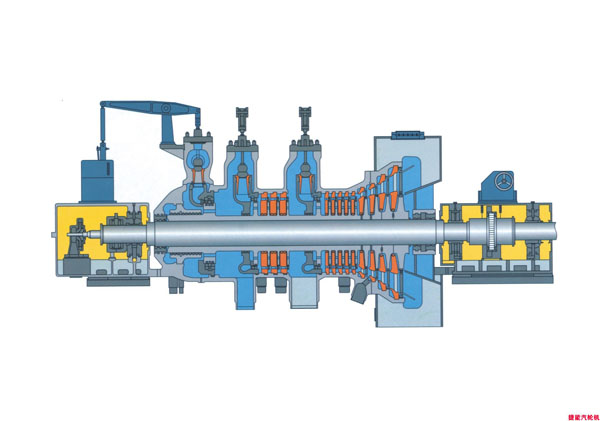

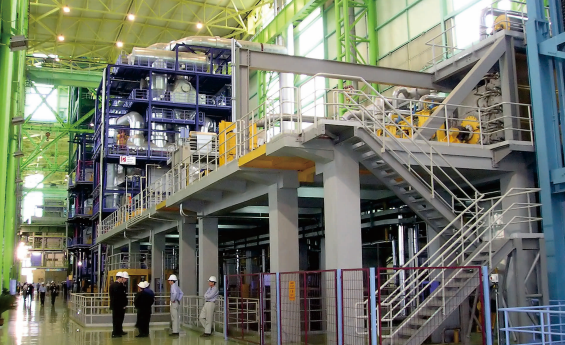
Strip Coating and Plating Production Line Equipment
MCC-SFRE HEAVY INDUSTRY EQUIPMENT CO., LTD.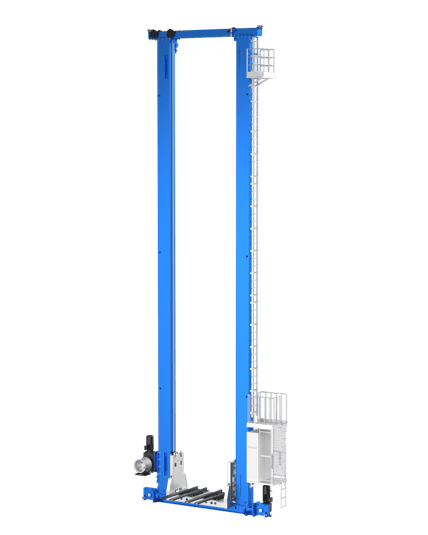
Pallet Solutions Product Line: HD3000 Double-Column Stacker Crane
Zhongding Intelligent (Wuxi) Technology Co., Ltd.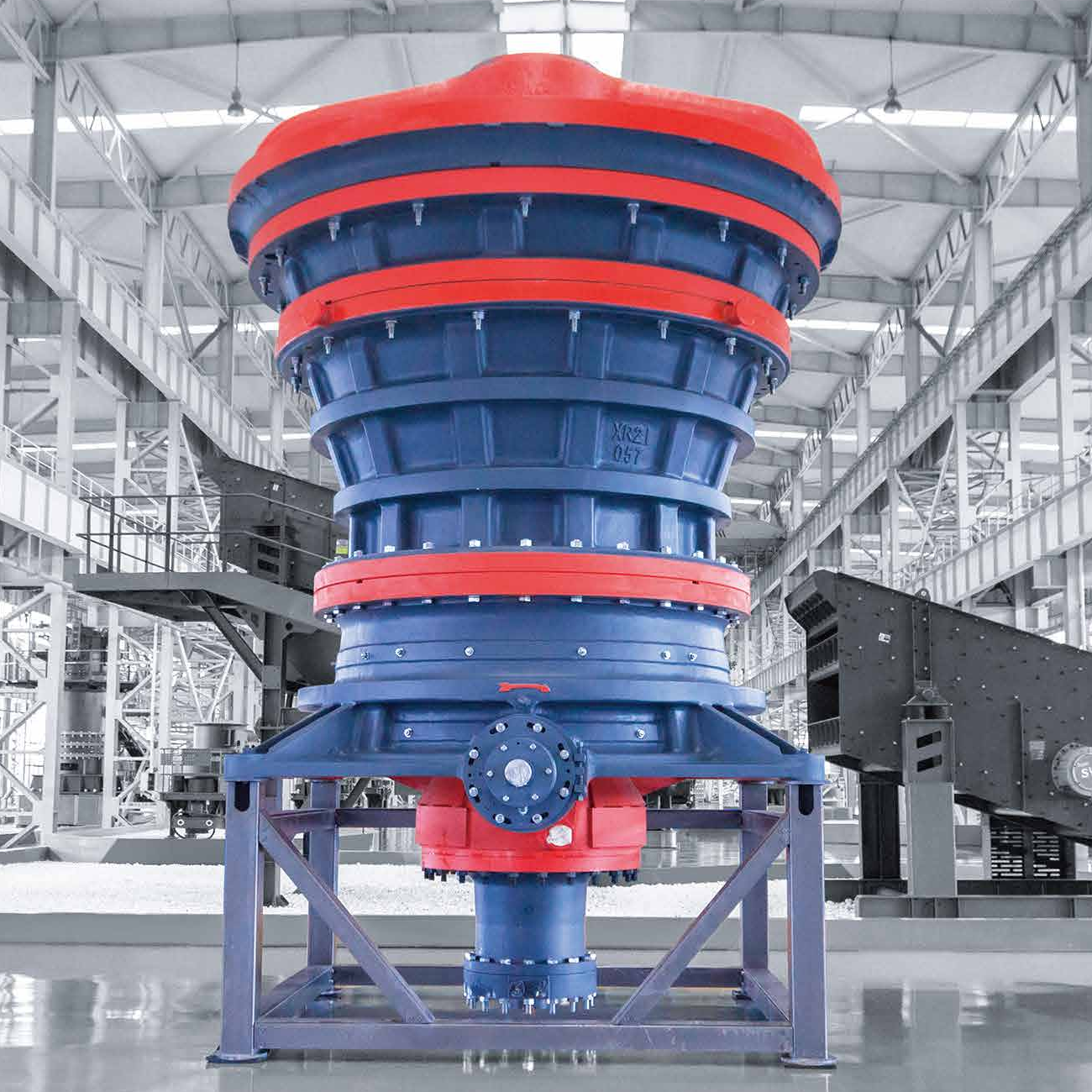

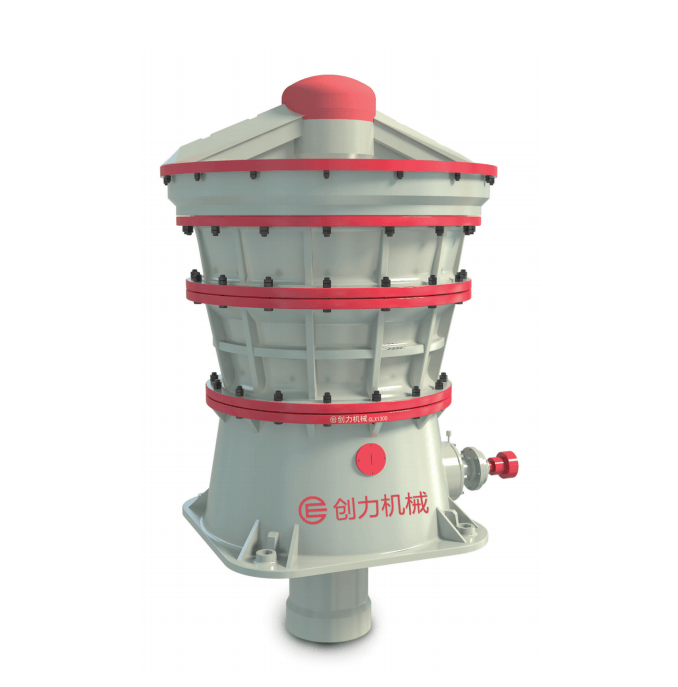
CLX Series Intelligent Hydraulic Gyratory Crusher
Guangdong CHUANGLI intelligent machinery Equipment Co., LTD