US-based Luxonis Secures $14 Million in Funding to Advance Machine Vision
en.Wedoany.com Reported - Luxonis Holding Corp. announced it has secured $14 million in early-stage funding to provide a perception layer for robots and automation systems through camera and machine vision technology, enabling them to understand the real world.
Based in Denver, Colorado, Luxonis stated that the Series A funding round was led by Denali Growth Partners, which also participated in the follow-on investment.
Founded in 2019, Luxonis took a unique early development path. In 2020, the company raised $1.3 million in startup capital from over 6,500 backers through a Kickstarter campaign. According to Pitchbook data, including crowdfunding, the company has raised over $23 million to date.
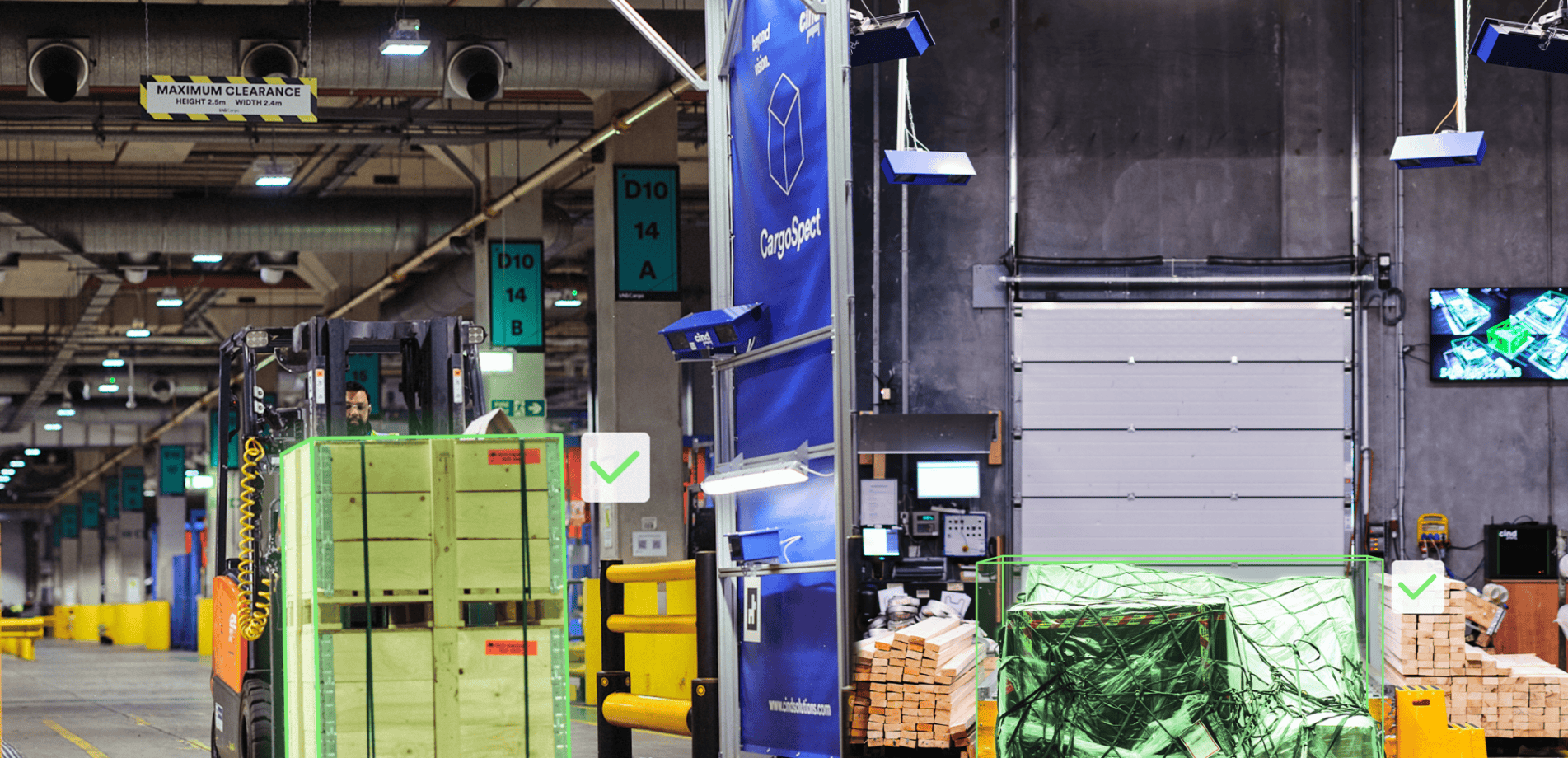
The company manufactures both cameras and software, aiming to give robots "vision," a key component of Physical AI that enables AI vision-language models and vision-action models to perceive the real world. AI-driven robots gather information from multiple data sources, including vision, to control actuators, robotic arms, and other devices. High-quality inputs drive depth perception, multi-angle views, and signal processing, thereby enhancing robotic perception.
Luxonis' OAK camera devices integrate multiple vision sensors with on-device computing in a single unit, and its DepthAI open-source software ecosystem allows developers to build agentic AI vision perception automation systems.
The latest generation, OAK4, was launched in 2025, and the company plans to use this funding to expand its promotion. OAK4 offers various plug-and-play form factors, providing vision and computing capabilities at the edge.
According to Luxonis, its cameras can achieve depth measurement accuracy up to 1/32 sub-pixel precision and run local AI models optimized for edge devices, compressed to INT8/FP16. This enables robots to have visual acuity in factory floors and retail environments while maintaining high throughput and low power consumption, reducing reliance on cloud processing. It also means robots react faster, making real-time decisions without network transmission delays, and can still operate normally when the network is unavailable.
Currently, the field of Physical AI is attracting significant attention. AI models serving as robot "brains" and robotic hardware are being developed to meet the growing market interest in intelligent automation. Substantial funding is flowing into the development of vision-action AI models, including $400 million for Generalist AI Inc., a startup focused on embodied robotic intelligence, and $600 million raised by Physical Intelligence, a robotics software startup backed by Jeff Bezos. How machines perceive the world is a critical infrastructure supporting the intelligent layer.
With this new funding, Luxonis said it will drive further development of its edge AI architecture, including advancing the OAK4 ecosystem and expanding supply chain capacity. The company also plans to expand its R&D, go-to-market, and engineering support teams.
The company added that it plans to launch new, affordable, and flexible form-factor devices targeting industries such as defense, industrial and heavy machinery, medical technology, and warehousing. These sectors are increasingly adopting AI-driven robots and intelligent automation.
Related Products
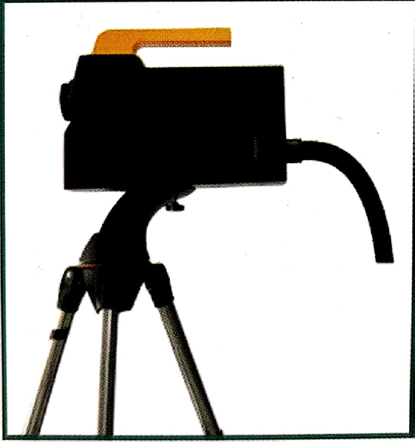

Automatic Aiming Laser Remote Obstacle Removal Robot
Pinggao Group Weihai High-Voltage Apparatus Co., Ltd.
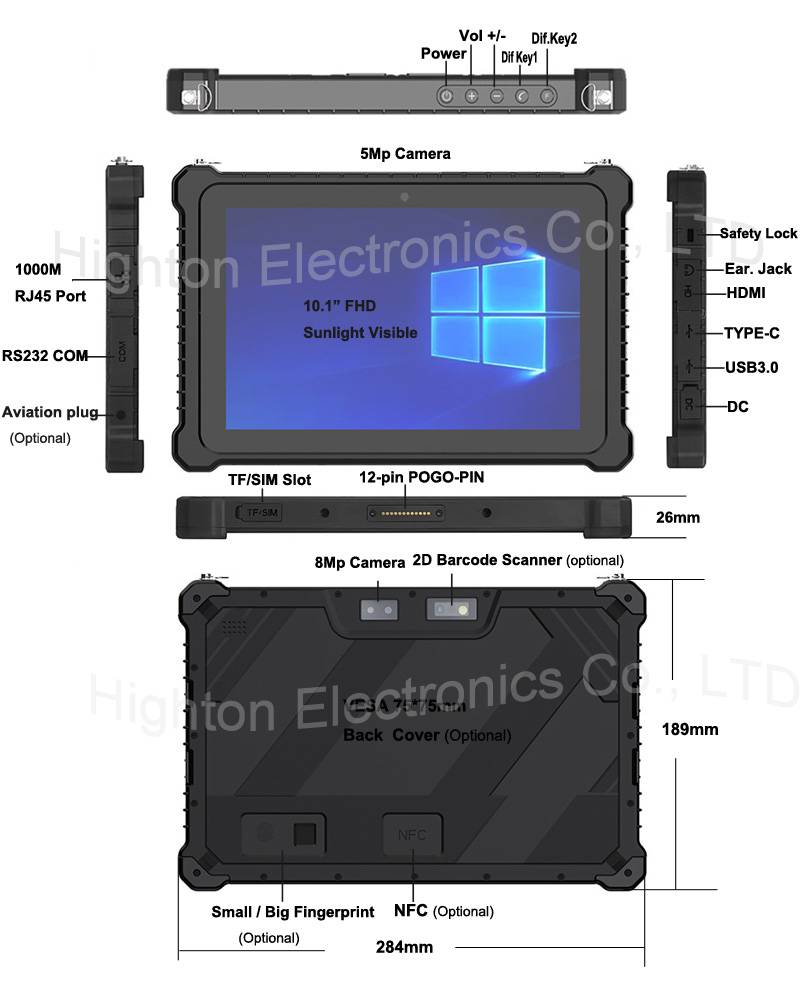
Hot Selling 10 Inch Intel N5100 I5 I7 FHD 8 +128GB 16+256GB Win10 Pro Win11 Pro 4G 5G Rugged Tablet PC Pad with NFC Barcode
Highton Electronics Co., Ltd.
Industrial and Commercial Point-Type Gas Detector
Jinan Benan Technology Development Co., Ltd.

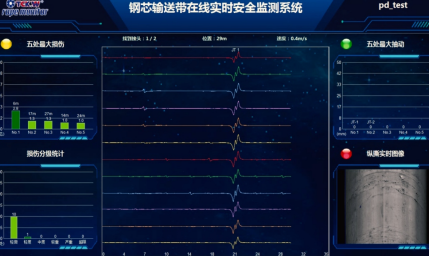
Conveyor Belt Intelligent Monitoring System
LUO YANG WIRE ROPE INSPECTION TECHNOLOGY CO., LTD.
Comprehensive Mining Automation Control System
Beijing Tianma Intelligent Control Technology Co., Ltd.

20 Inch 1600*900 Full HD 60Hz TFT LED Monitor with VGA and DP Interfaces for Desktop Computers-Business Use
Guangzhou Zanying Optoelectronics Technology Co., Ltd.