en.Wedoany.com Reported - The Cheyenne Board of Public Utilities in Wyoming has stopped receiving industrial wastewater from data center "flush and fill" and closed-loop cooling operations. This follows the discovery of a rare metal-resistant bacterium in the city's reclaimed water system, traced to Goat Systems LLC, the entity responsible for building Meta's Cheyenne data center. The Board stated that Goat Systems committed serious violations by discharging wastewater carrying Cupriavidus gilardii, a metal-resistant bacterium that caused abnormal operation at two reclaimed water treatment plants and forced the reclaimed water reuse system to shut down for months for cleanup. The Board revoked the contractor's flush and fill discharge permit on March 24, and the suspension has now been expanded to all data centers connected to city services.
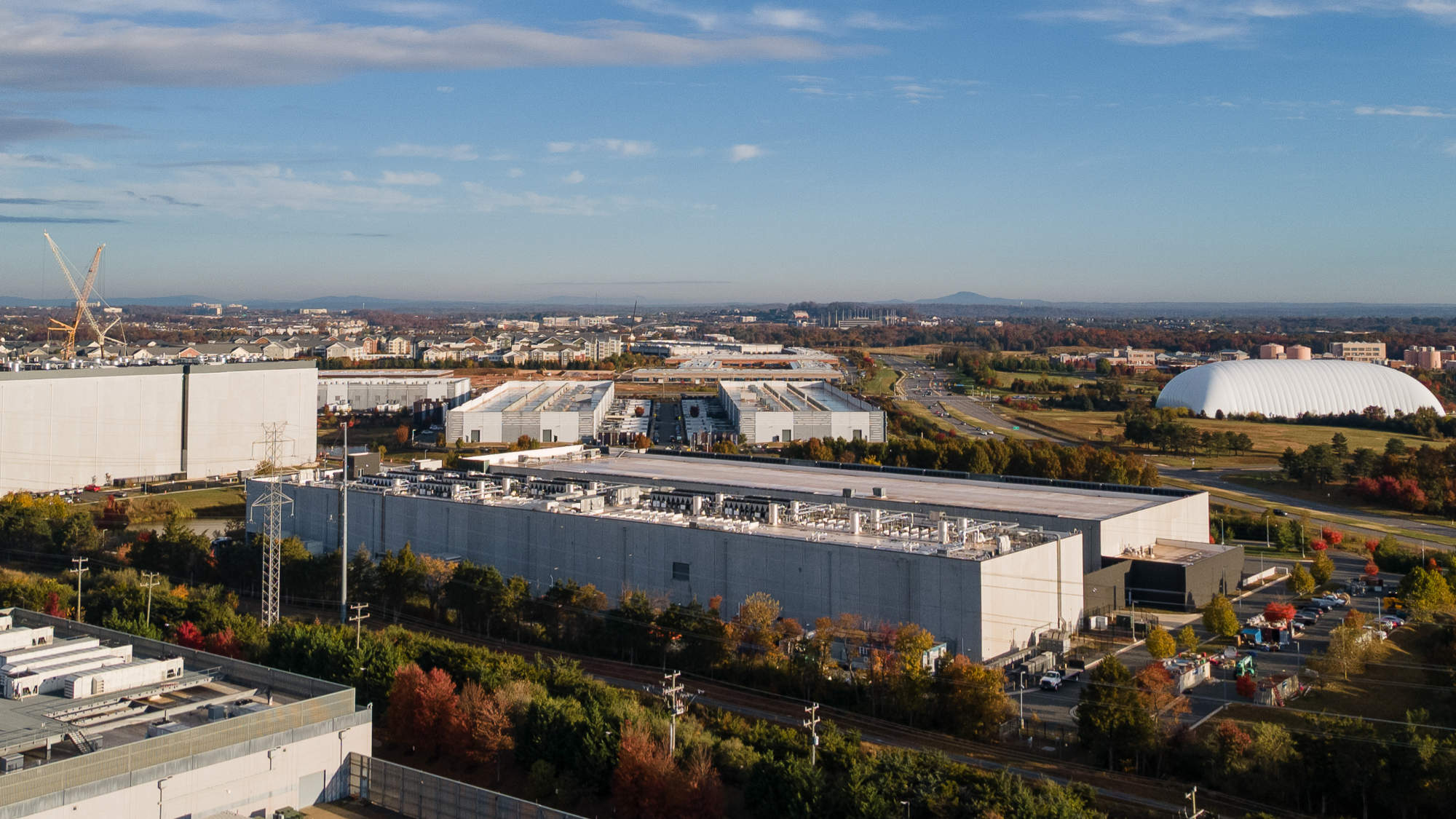
"Flush and fill" is a step in the commissioning process of data center cooling systems. During this step, workers inject water into cooling pipes to remove debris generated before system operation, then discharge the flush water. Frank Strong, Manager of the Board's Engineering and Water Resources Department, told the Wyoming Tribune Eagle that Goat Systems discharged flush water containing Cupriavidus gilardii into Cheyenne's sewer system. Strong noted that the injected water came from the Board, but the source of the bacterium remains unclear. Laboratory staff first detected the bacterium during routine fecal bacteria sampling in February. "This is not something we test for regularly," Strong said.
Microsoft and Nvidia are promoting sealed liquid cooling systems as nearly zero-water alternatives to evaporative cooling. This technology is rapidly gaining traction as AI data centers expand into more communities. Microsoft describes its cooling system as being filled with water once during construction, after which the same water is recirculated; Nvidia's Rubin platform uses a coolant composed of 75% water and 25% propylene glycol. However, the one-time filling step generates wastewater discharge, as the flush water leaves the site before the loop is sealed.
Strong added that the Board's concerns extend beyond the discovery of the bacterium. Closed-loop systems may carry chemicals such as glycol, which are difficult for municipal treatment plants to process. Cheyenne uses reclaimed water for irrigating green spaces such as parks and golf courses, and the Board fears the bacterium could form aerosols during irrigation, posing a hazard. Cupriavidus gilardii is not a regulated pollutant, but the discharge severely disrupted treatment processes. Therefore, under Cheyenne's municipal code and federal pretreatment regulations, the Board deemed the incident a "pass-through" and "interference."
Meta responded that it is supporting its general contractor, Fortis, in handling the matter. The contractor has stopped discharges and begun transporting wastewater off-site for treatment. Independent testing found no trace of the bacterium. Testing at the Dry Creek and Crow Creek treatment plants concluded at the end of June, and the reclaimed water reuse system has resumed operation. Cheyenne City Councilman Pete Laybourn described the incident as "a very, very unpleasant surprise." The Board has not yet stated how this suspension will affect other data center projects under construction in Cheyenne.