Peking University Team Develops Birefringence Tester, Winning Fourth Prize of National Invention Award
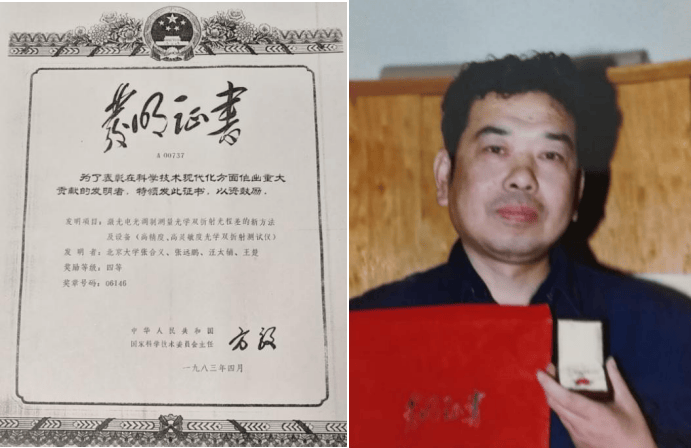
en.Wedoany.com Reported - Professor Zhang Yuanpeng, a retired faculty member from the Department of Mechanics at Peking University, along with his team, successfully developed a birefringence tester using an electro-optic modulator (EOM), upgrading stress measurement from manual visual inspection to automatic electrical signal analysis. The tester won the Fourth Prize of the National Invention Award, and the subsequent fully automatic photoelastic instrument developed based on this technology was granted a national invention patent. This breakthrough addressed the industry's technical bottleneck of low efficiency and high error in traditional photoelastic measurement methods.
On August 22, 2025, a major collapse occurred during the construction of the Jianzha Yellow River Super Bridge on the Xi'an-Chengdu Railway due to the illegal procurement of over 19,000 inferior bolts, resulting in 13 fatalities, 3 missing persons, and direct economic losses of nearly 49 million yuan. This accident highlights the critical importance of strength verification for structural components such as machinery and bridges. The photoelastic instrument, as a core testing device for verifying component stress, traditionally relies on manual reading of interference fringe orders on isochromatic patterns, particularly suffering from low efficiency and high error in fractional fringe interpretation.
Traditional photoelastic measurement uses transparent epoxy resin models to simulate actual components, calculating internal stress distribution through isoclinic and isochromatic lines in a polarized light field. However, the cumbersome manual data extraction process severely limits the engineering application efficiency of this method. After completing the three-dimensional photoelastic stress analysis project for the radial gate support structure of the Shitouhe Reservoir spillway tunnel in Shaanxi Province, Zhang Yuanpeng began seeking automated solutions.
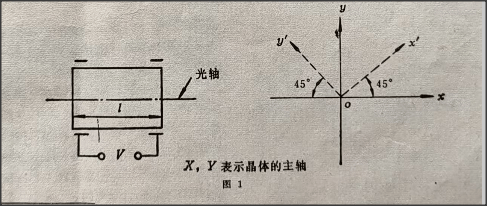
The research team innovatively introduced an electro-optic modulator (EOM), leveraging its property of generating electrically induced birefringence under an applied voltage to precisely compensate for the birefringent optical path difference caused by stress in the loaded model. By applying an alternating signal in an orthogonal polarized light field and incorporating photoelectric conversion with oscilloscope display, the system outputs a stable frequency-doubled signal, replacing the traditional subjective judgment of "bright" and "dark" points, significantly enhancing measurement sensitivity and accuracy.
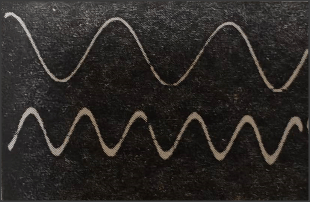
Experiments validated the reliability of this technology. Actual measurements of the EOM's electrically induced birefringence linearity showed a linear error of approximately 0.5%, comparable to the performance of a high-precision Babinet-Soleil compensator. In actual measurements of a diametrically compressed disk, the stress distribution data obtained using the EOM automated scheme closely matched the results from three-dimensional finite element calculations, with consistent stress distribution trends across various sections and a maximum error of less than 10%.
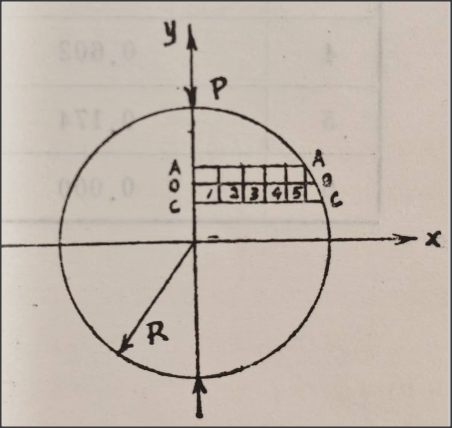
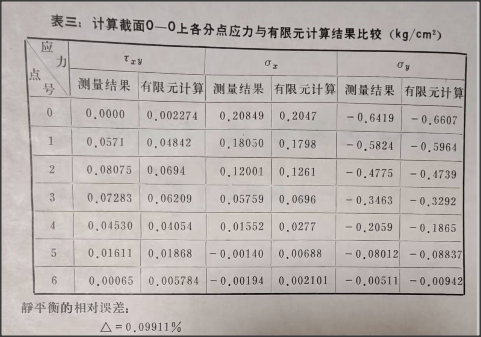
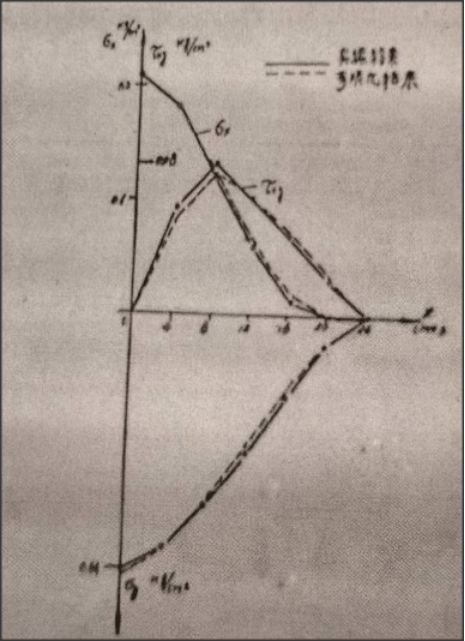
The high-precision, high-sensitivity birefringence tester developed based on this technology was manufactured by the Peking University Electronic Instrument Factory and won the Second Prize of the Beijing Science and Technology Achievement Award and the Fourth Prize of the National Invention Award. This testing technology was once used for glass stress detection on the production line of Shanghai Television Factory, achieving favorable economic benefits. Three years later, the team successfully developed a fully automatic photoelastic instrument with complete independent intellectual property rights, which was granted a national invention patent.
Related Products

Strip Coating and Plating Production Line Equipment
MCC-SFRE HEAVY INDUSTRY EQUIPMENT CO., LTD.
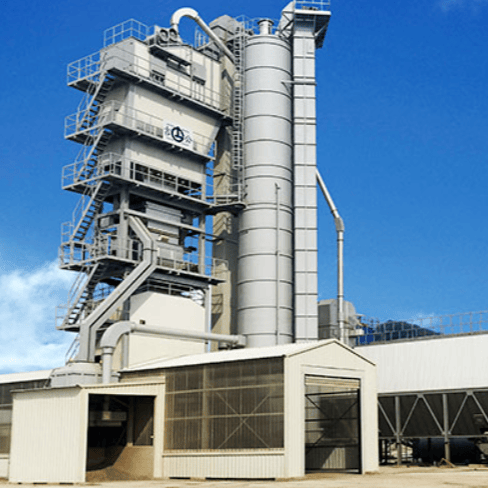
LBH4000 Batch Environmental Protection Asphalt Mixing Plant | Asphalt Batching Plant | Asphalt Mixing Plant
Jilin Province Road Construction Machinery Co., Ltd.
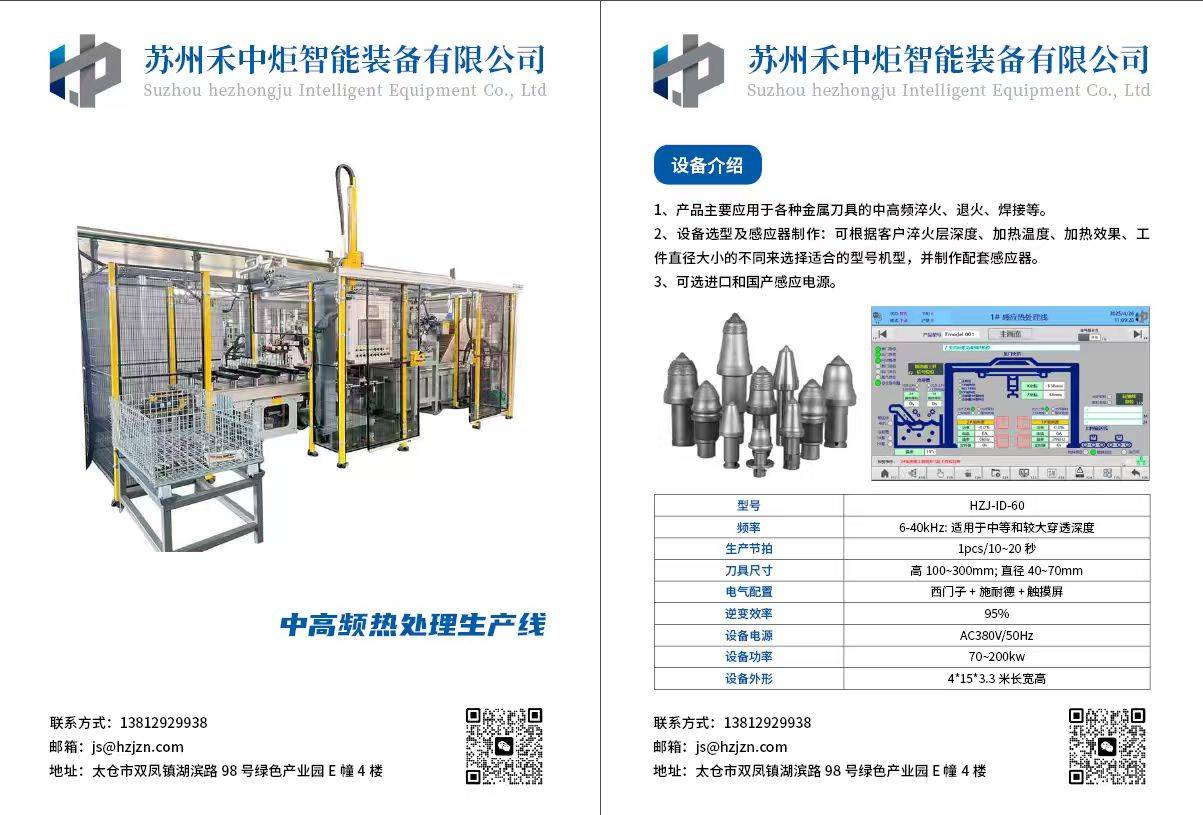
Excavator Bucket Teeth Heat Treatment Production Line
Suzhou Hezhongju Intelligent Equipment Co., Ltd.
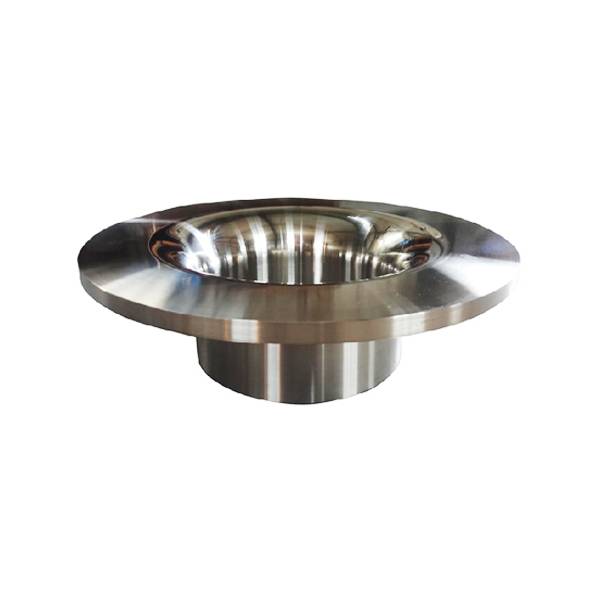
Standard Nozzle Flowmeter
Jinggong Automatic Control Instrument Complete Technology Development Company