en.Wedoany.com Reported - The National Waterway Transport Agency of Brazil (Antaq) has approved the "Global Port Risk" project, a strategic study aimed at identifying major threats that could impact the Brazilian port system by 2035. This initiative seeks to strengthen the port industry's planning capabilities in scenarios involving climate change, geopolitical tensions, digital transformation, and new dynamics in international trade.
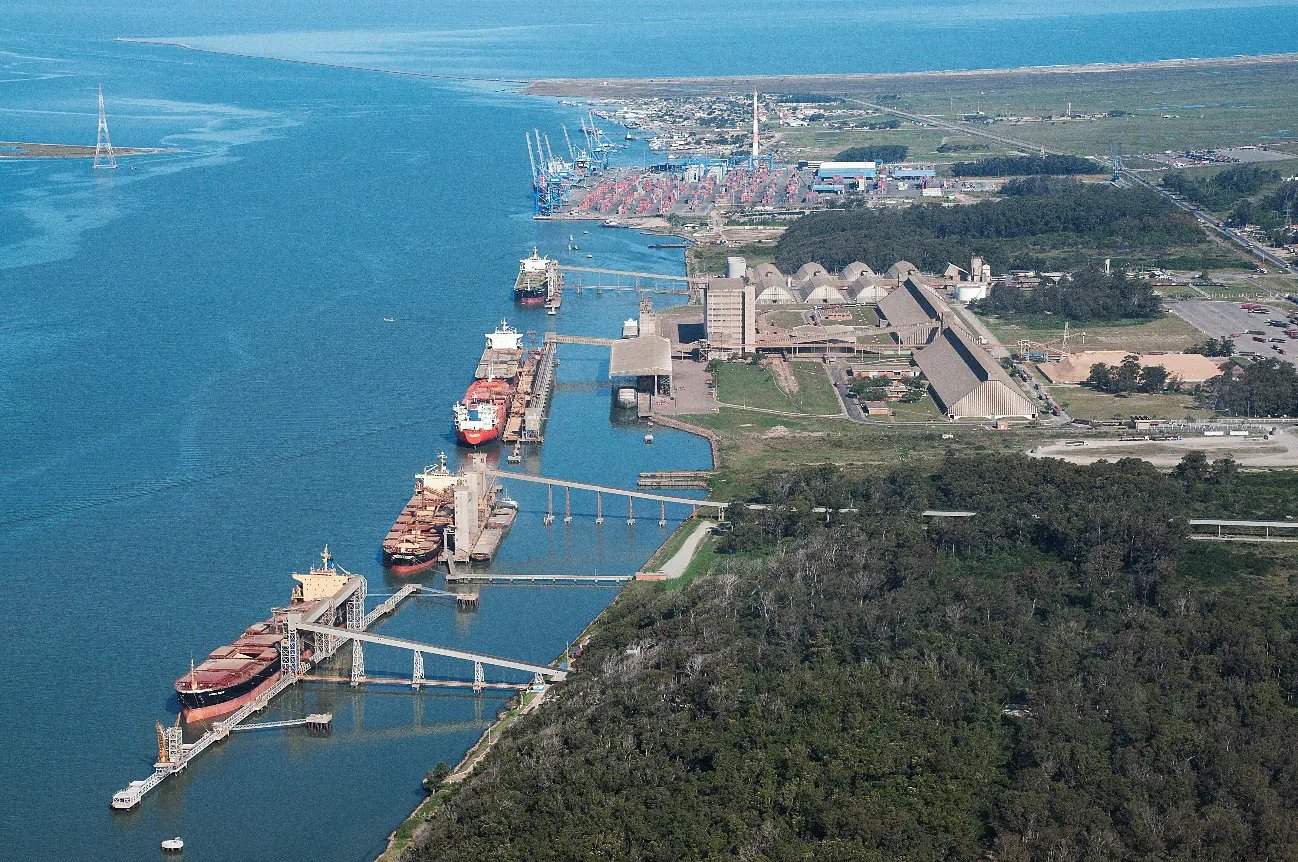
The study is part of the 2025-2026 Environmental and Waterway Safety Agenda, conducted by Antaq in partnership with the Federal University of Maranhão (UFMA) through a technical cooperation agreement. After evaluation by Antaq's ESG and Innovation Superintendence (Sesgi), Director Alber Vasconcelos stated that predicting risks has become a requirement to maintain the competitiveness of Brazilian ports and adapt regulations to a rapidly changing environment.
The study draws on the methodology used by the World Economic Forum to produce its annual risk reports, adapted to the Brazilian context. The research team analyzed scientific publications, sustainability reports from Brazilian ports, and input from 125 industry experts and managers, resulting in a comprehensive report and an executive summary.
Key risks identified in the short term include political instability, geoeconomic conflicts, regulatory overreach, increased tax burdens, disruptions to critical digital infrastructure, and global supply chain failures. The study's findings indicate that 73.7% of the assessed risks will maintain high importance in both the short and long term, demonstrating their structural nature.
On the environmental front, climate change is the primary challenge through 2035. Extreme weather events, sea-level rise, coastal erosion, natural resource shortages, and shipping decarbonization requirements will directly impact port infrastructure and operations. The technological dimension is equally central, with the report warning that increasing port digitalization requires greater investment in cybersecurity, critical infrastructure protection, and integration of digital and operational systems, while training professionals to keep pace with the expansion of automation and artificial intelligence.
In the economic and geopolitical sphere, Antaq views declining international competitiveness, increased regulatory and tax pressures, trade conflicts, and changes in maritime routes as concerning factors that could significantly alter global logistics flows over the next decade. The study proposes a series of recommendations aimed at strengthening the resilience of the Brazilian port system, including developing comprehensive climate adaptation strategies, pursuing digital modernization, and establishing permanent risk monitoring systems. Other recommendations involve strengthening partnerships with universities and research centers, and integrating risk management into the strategic planning of port authorities. The study's findings will be incorporated into Antaq's technical foundation to support future regulatory decisions and contribute to the industry's modernization in the face of global challenges.