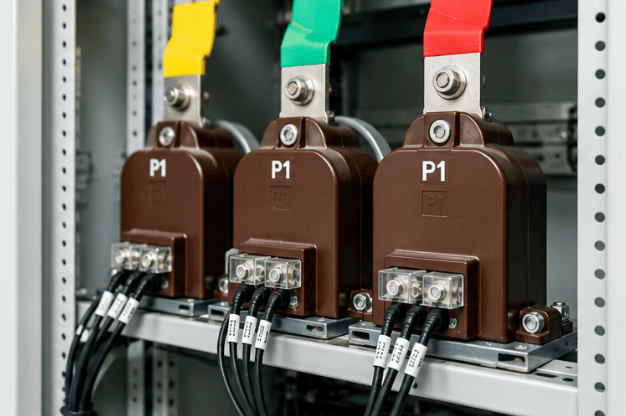
en.Wedoany.com Reported - As power grids are upgraded, industrial parks expand, renewable energy projects connect to the grid and distribution automation develops, the Current Transformer is becoming a steady export opportunity for power equipment suppliers. Compared with transformers, switchgear and circuit breakers, a CT may have a lower unit value, but it is widely used and frequently required in transmission, distribution, industrial electrical systems and energy metering projects.
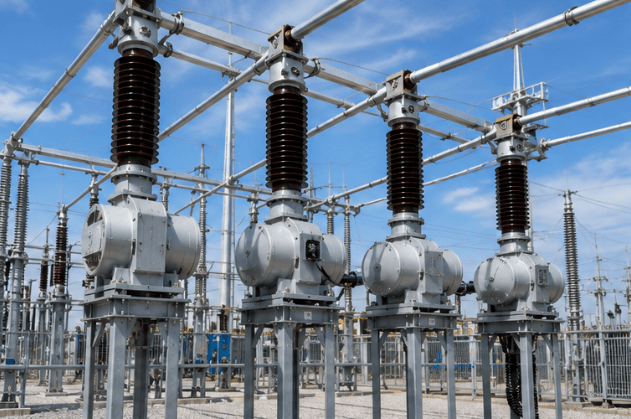
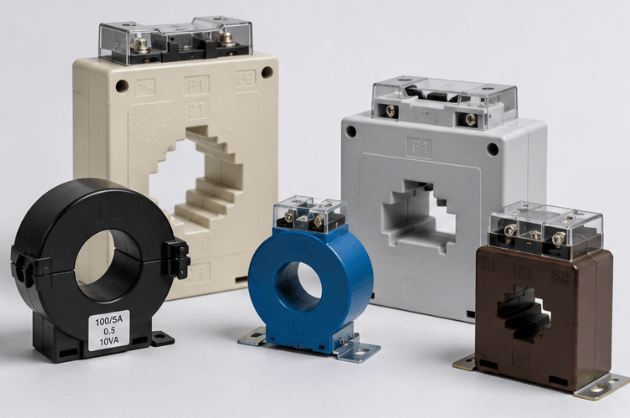
Overseas demand comes from several areas. The first is grid expansion and substation construction, which require many medium- and high-voltage CTs for metering and protection. The second is industrial distribution upgrading, where factories, mines, ports, water treatment plants and commercial buildings need additional metering, monitoring and protection circuits. The third is renewable energy and storage projects, where substations, compact transformers, grid-connection cabinets and collection systems need current measurement and protection. The fourth is the spread of smart meters and energy management systems, which increases demand for low-voltage split-core, window-type and compact CTs.
Technical requirements differ across regions. Europe and North America place strong emphasis on standards, certification, product consistency, long-term reliability and documentation. Southeast Asia, the Middle East, Africa and Latin America combine new grid construction, industrial power demand growth and retrofit needs. Buyers in these markets often focus on cost performance, delivery time, environmental adaptability and after-sales support.
Environmental conditions must also be considered. High temperature, high humidity, salt fog, dust and high altitude can affect insulation materials, sealing structures, corrosion resistance and temperature rise. A product that works well in one market may require adjustment before being used in another.
Export projects also require system adaptation. Rated voltage, frequency, secondary current, cabinet structure, installation practice, metering rules and protection requirements can vary by country. Suppliers that only provide standard models may face problems during detailed design or site installation. Companies that can support selection calculation, drawing coordination, test reports, wiring instructions, packaging marks and multilingual technical documents are more likely to be accepted by overseas EPC contractors and panel builders.
In the future, current transformer export will be more than product trading. It will become part of distribution system capability. Suppliers with standard knowledge, manufacturing consistency, customized design, quality traceability and project service will be better positioned in overseas grid, industrial park, renewable power and smart metering projects.