Canada Submits Plan for West Coast Pipeline with Capacity of 1 Million Barrels Per Day
en.Wedoany.com Reported - Canadian Prime Minister Mark Carney announced plans to build a new oil pipeline connecting Alberta to the coast of British Columbia, pledging to transform Canada into an "energy superpower."
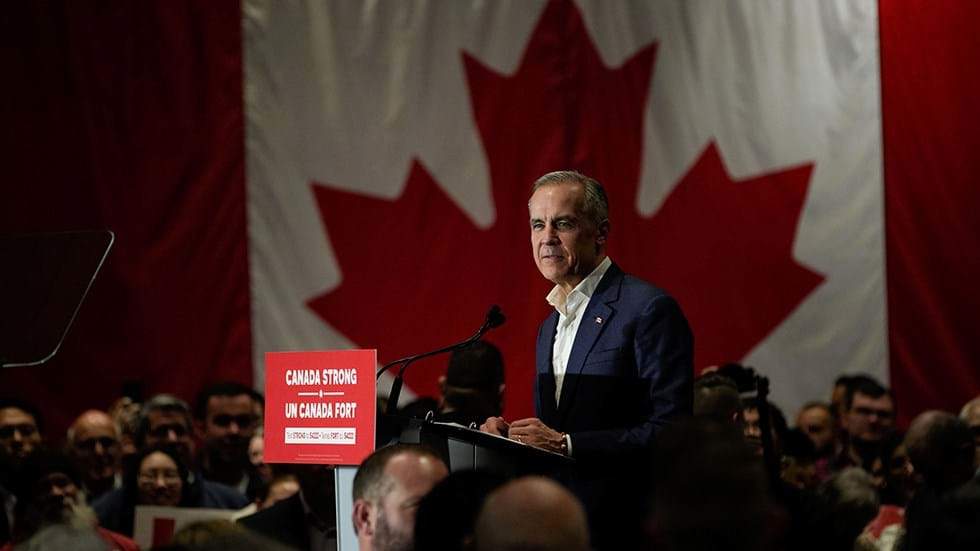
The project, named the West Coast Oil Pipeline, aims to transport heavy crude oil from Alberta's oil sands at a rate of 1 million barrels per day to a deep-water port in southwestern British Columbia. Carney stated that the initiative is intended to bring Alberta crude to Asian markets, diversify Canada's trade, and reduce the long-standing reliance on oil exports to the United States.
The pipeline plan was submitted by the Alberta government and is currently awaiting a decision from Canada's Major Projects Office on whether to designate it as a "national interest project," with a result expected in October. The initial draft was prepared in November 2025, and the project will be financed by the private sector. However, the Pembina Institute, a think tank, noted that 90% of the current cost, estimated at 350 to 440 billion Canadian dollars (approximately 250 to 310 billion US dollars), may be shared between the Canadian federal government and the Alberta provincial government. Indigenous groups will also hold equity stakes, though the specific proportions have yet to be determined.
Construction will be carried out by Trans Mountain and Pembina Pipeline. The government hopes to begin construction as early as 2027, with the pipeline expected to become operational between 2032 and 2034.
Alberta has proven oil reserves of 177 billion barrels, believed to rank fourth in the world. The provincial government plans to double oil production to 8 million barrels per day over the next 10 to 15 years. Alberta Premier Danielle Smith stated at a press conference last week at the TramsAm pipeline facility in Calgary that she is finalizing another agreement with the federal government, which includes "accelerating oil sands production growth to fill the new West Coast pipeline." The existing Trans Mountain pipeline is also being considered for expansion to increase capacity by 400,000 barrels per day.
Smith said, "We cannot afford to lose another decade or more due to delays and inaction." She previously criticized the energy policies of the federal government under former Prime Minister Justin Trudeau, adding, "We have certainly come a long way from the discussion of 'phasing out Alberta oil and gas.'"
The Alberta government estimates that producing 1 million barrels of oil per day would generate greenhouse gas emissions of up to 18.2 million tonnes of CO2 equivalent annually. Of the blended oil transported via the pipeline, approximately 80% to 95% would be steam-assisted gravity drainage diluted bitumen (dilbit), with the remainder consisting of paraffinic froth treatment diluted bitumen and mined synthetic crude. The government has not released data on emissions related to refining and end-use for the pipeline.
From a global perspective, the provincial government estimates that the project could result in annual emission reductions of up to 6.5 million tonnes of CO2 equivalent, provided that Alberta bitumen replaces the high-emission heavy crude oil currently imported by Canada's target Asian markets. The average well-to-refinery emission intensity of Alberta crude is approximately 42 to 46 kilograms of CO2 equivalent per barrel, lower than comparable Kuwaiti export crude, Urals heavy crude, and Venezuelan Merey 16 crude, but higher than Arab heavy crude and Basra heavy crude.
Smith stated that the "Pathways" carbon capture, utilization, and storage (CCUS) project, funded by the oil and gas industry, would make the province's bitumen "one of the lowest-emission heavy oils globally." The project aims to capture 6 million tonnes of CO2 annually by 2035 and up to 16 million tonnes annually by 2045, targeting oil production in northeastern Alberta. The Canadian government expanded CCUS subsidies last year, listing oil extraction as an approved use for captured CO2, but it remains unclear whether CO2 captured by the "Pathways" project will be used in this manner.
Environmental groups have criticized the energy policy direction of Carney's government. Last year, the government delayed methane emission reduction targets for the oil and gas sector by five years. Keith Stewart, senior energy strategist at Greenpeace Canada, told The Chemical Engineer that the West Coast pipeline plan is "incompatible" with net-zero commitments. "Given that oil-importing countries are accelerating their shift away from oil and gas dependence, the project is also not commercially viable, as evidenced by the lack of private sector supporters."
Since taking office last year, Carney has been outspoken in criticizing U.S. President Donald Trump and has worked to steer Canadian trade away from reliance on the United States. Last week, he said, "We are all living in an unprecedented time of global upheaval," and that the new pipeline "will unleash Alberta's energy for the world." He added that G7 leaders "are calling on Canada to provide the reliable energy the world needs to fully realize our potential as an energy superpower."
Meanwhile, Smith and Ontario Premier Doug Ford proposed plans this week for another pipeline that could transport up to 800,000 barrels of oil per day from Alberta to Sarnia, a Great Lakes port city on the U.S. border.
The announcement of the new pipeline also carries domestic implications, as Alberta prepares for an independence referendum in October. Carney stated that the West Coast pipeline plan represents "cooperative federalism in action."
Related Products

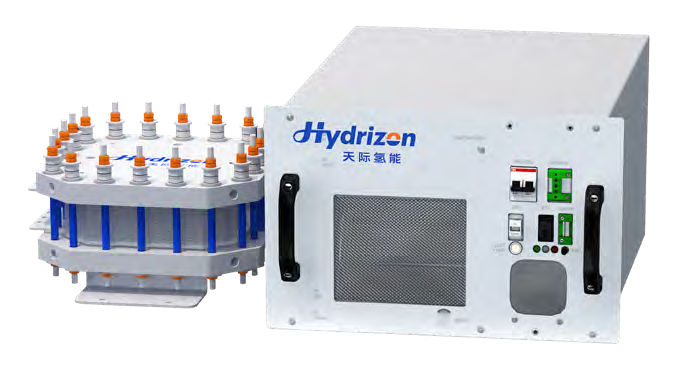
HI-Pro Green Hydrogen High-efficiency Production System-HI-PRO-AEM
Hydrizon Technology (Beijing) Co., Ltd.

Forest and Grassland Heat Source Infrared Monitor
China Huayun Meteorological Technology Group Co., Ltd.
Modular Multifunctional Water Supply and Drainage Vehicle (18T)
Changsha Dewater Machinery Technology Co., Ltd.

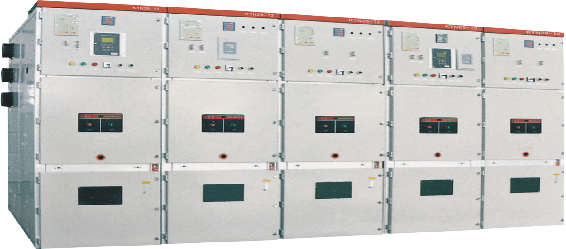
KYN28-12/24 Indoor High-Voltage Metal-Clad Removable Switchgear
Shenzhen Zhaoyang Hui Technology Co., Ltd.
Perfluorinated Ionic Membrane-CM-10N Series Membrane
Guizhou Juneng Century Technology Co., Ltd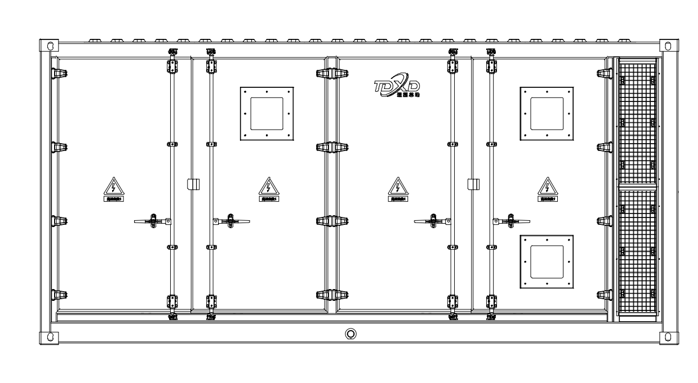
5012kWh DC Energy Storage System TD-EES-5012kWh
Suzhou Tongding Xindong Energy Storage Technology Co., Ltd.