University of New South Wales, Australia: Recycling End-of-Life Photovoltaic Modules Faces Challenges from Material Variability
en.Wedoany.com Reported - Researchers from the University of New South Wales (UNSW), Gdańsk University of Technology, and the Polish Academy of Sciences collaborated to experimentally analyze end-of-life solar panels collected from various locations in Australia, assessing the feasibility of purifying key components for reuse in new panel manufacturing. This study aims to address the issue of photovoltaic waste disposal and provide data support for recycling process design.
Researchers Olivia Bowen, Anna Kuczynska-Lazewska, Rong Deng, and Jacek Kluska selected 12 panels manufactured by companies from Germany, China, South Korea, and the United States. They disassembled these panels to obtain samples of aluminum frames, glass, and solar cells for compositional analysis.
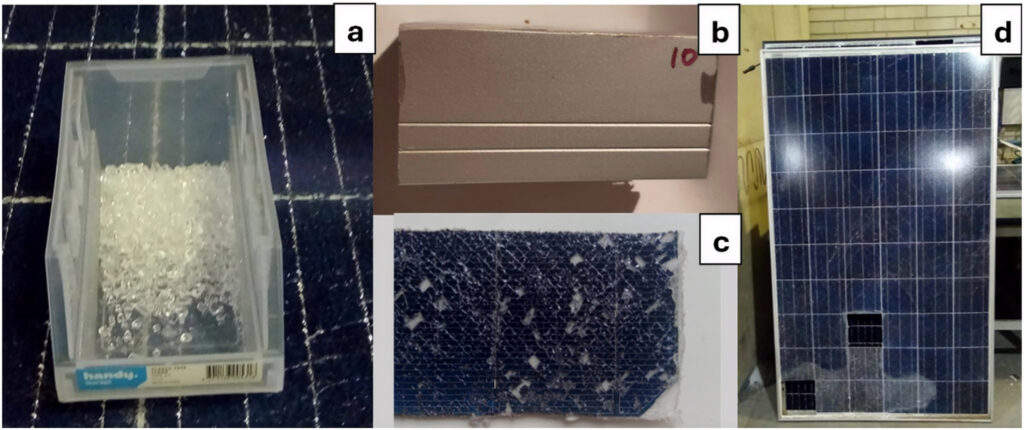
The research findings were published in a paper titled "Beyond Assumptions: Experimental Characterization of End-of-Life Photovoltaic Module Composition in Australia to Facilitate Recycling" on Science Direct. The results show that although material compositions vary among different panels, key components are recyclable. The aluminum content in aluminum frames ranges from 96.3% to 98.3%, making them suitable for recycling and capable of saving significant primary energy costs. However, their surface coatings contain high levels of sulfur, reducing purity and economic value.
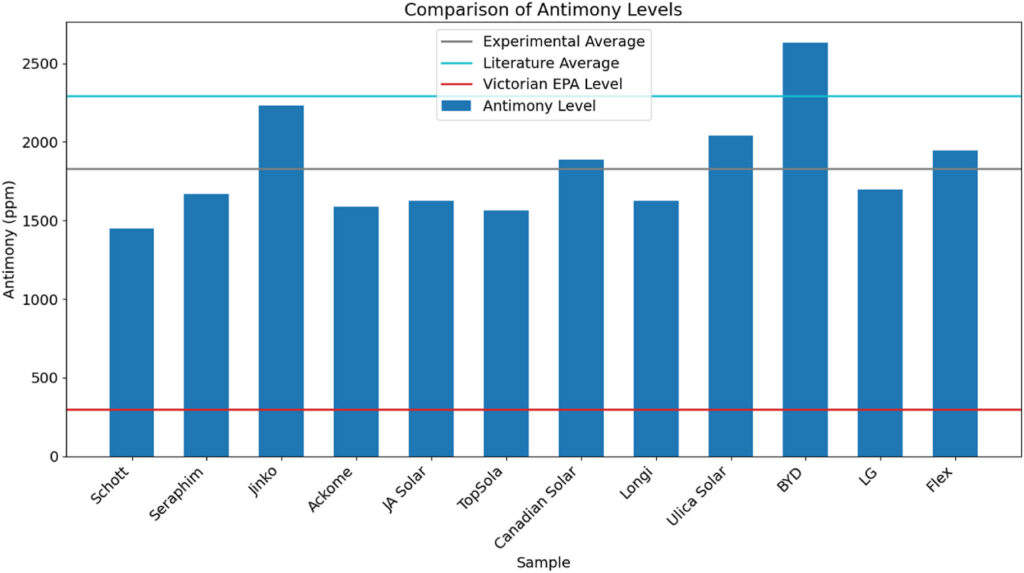
The glass components meet the standards for raw materials in new glass manufacturing but contain trace amounts of antimony, lead, chromium, and iron. Among these, antimony, added to enhance light transmittance, is classified as a hazardous substance subject to regulatory restrictions. The study notes that antimony content in solar panels may exceed thresholds, requiring recyclers to obtain special permits and implement monitoring processes to safely handle antimony-containing glass.
Analysis of the laminates reveals that the crystallinity of highly cross-linked ethylene-vinyl acetate (EVA) is below 17%, indicating that it still retains protective functions even in end-of-life modules. The researchers state that understanding the structure and cross-linking degree of EVA is crucial for optimizing delamination methods, and conducting EVA analysis before determining the delamination approach would benefit the process.
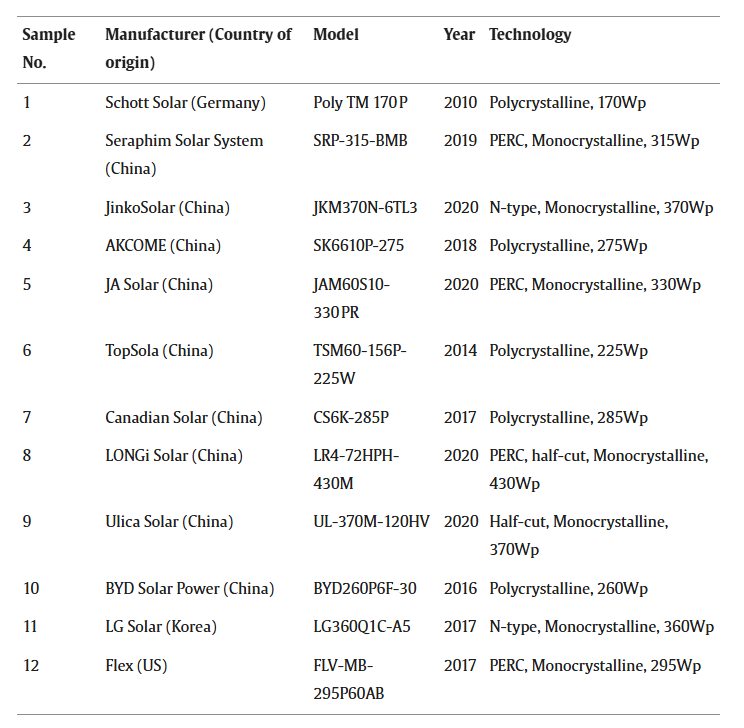
The composition of solar cells varies significantly among different manufacturers, with industry trends showing a reduction in silver content in newer panels. Copper content varies depending on cell technology. The researchers point out that silver can account for up to 47% of a panel's recoverable value, and the trend of decreasing silver content may lead to reduced economic returns for recyclers in the future. Additionally, the presence of lead and tin in all samples highlights the need for careful handling of hazardous materials, particularly in wastewater treatment.
The study suggests that differences between panels from various manufacturers may pose obstacles to commercial recycling processes. Both aluminum and glass suffer from reduced value due to contamination by impurities. Glass recycling "heavily depends" on not being contaminated by other metals; crushing or grinding panels may contaminate the glass with silver and copper, thereby reducing its value and potentially rendering the largest component of the panel unrecyclable. The researchers recommend that even if the cell laminate is ignored, simply mechanically removing these components could prevent a large amount of waste from entering landfills. These experimental data aim to inform researchers, businesses, and policy-making in designing recycling processes, helping to optimize recycling strategies for the growing photovoltaic waste stream in Australia and similar markets.
Related Products

Modular Multifunctional Water Supply and Drainage Vehicle (18T)
Changsha Dewater Machinery Technology Co., Ltd.
G.652.D Wavelength-extended Non-dispersion Shifted Single-mode Optical Fiber
HONGAN GROUP CO., LTD.
Industrial and Commercial Point-Type Gas Detector
Jinan Benan Technology Development Co., Ltd.
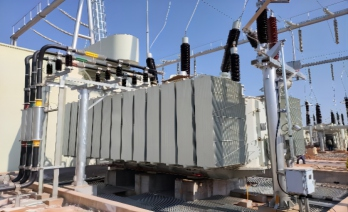
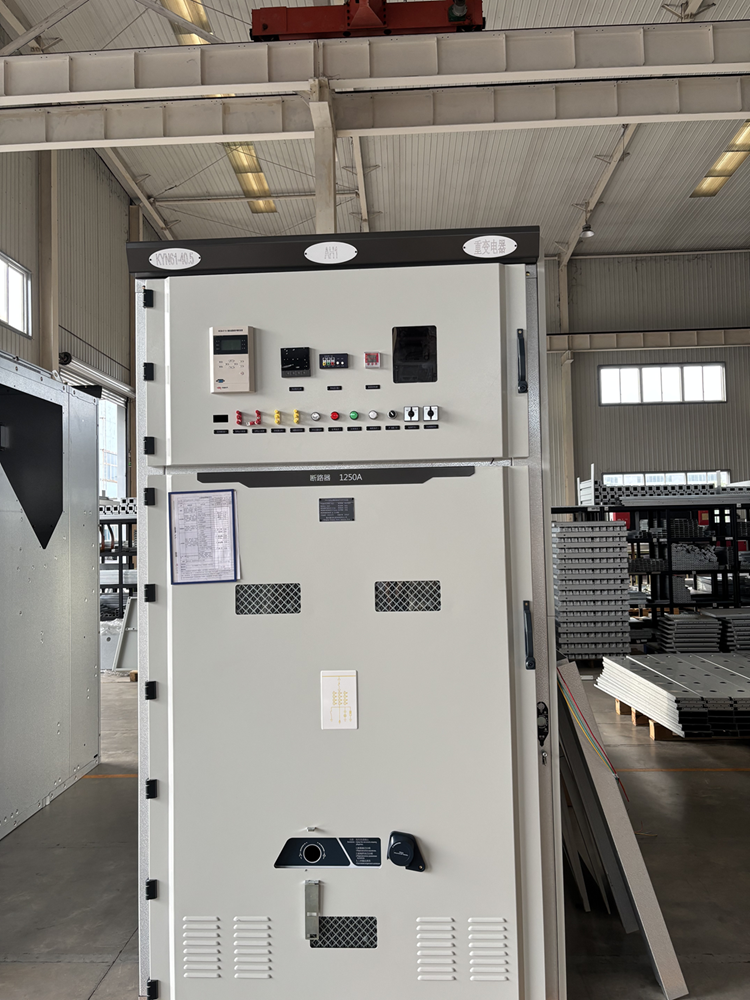
KYN61-40.5 Indoor AC Metal-clad Removable Switchgear
Chongqing Transformer Co., Ltd.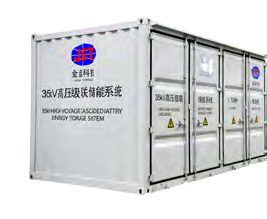
6kV-35kV Medium and High Voltage Direct-Connected Energy Storage System
Hainan Jinpan Smart Technology Co., Ltd.