en.Wedoany.com Reported - The UK concrete industry organization MPA UK Concrete has recently released its Circular Economy Action Plan (CEAP), the first industry-wide circular economy strategy document in the major structural building materials sector.
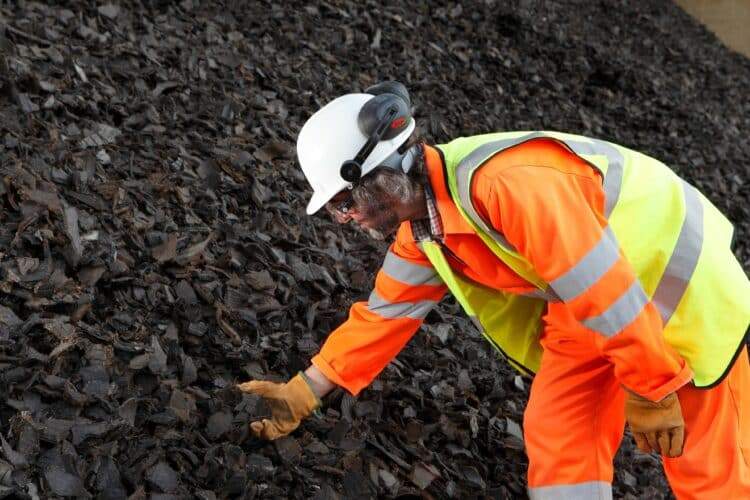
This evidence-based plan outlines how the UK concrete industry supports maintaining the value of concrete throughout its entire lifecycle, building on over a decade of progress in resource efficiency. The plan aims to accelerate the transition to a more circular economy in collaboration with the broader built environment industry.
As the most widely used construction material in the UK, concrete plays a central role in this transformation. The CEAP calls for cooperation among all parties in the built environment, including developers, designers, contractors, demolition experts, regulators, and policymakers, to help remove barriers, improve material recovery, and enable concrete to be used at its highest value for longer periods.
The CEAP is based on over a decade of action by the UK industry since the introduction of the Resource Efficiency Action Plan in 2014. These actions helped reduce manufacturing waste sent to landfill in 2023 to just 0.3 kg per tonne of product, with the industry aiming to achieve zero waste to landfill by 2030.
The plan also highlights the broader circular contributions made by UK concrete and cement manufacturing. In 2023, 54.1% of the fuel used by the cement industry came from waste, including refuse-derived fuel (RDF) from non-recyclable household and commercial waste that would otherwise require disposal.
The CEAP introduces targets, actions, and indicators around the lifecycle stages of concrete and concrete products—including manufacturing, transport and logistics, design, construction, demolition, and reuse—to help the industry respond to evolving policy and market expectations.
For the first time, these indicators include the proportion of widely recyclable materials in supply packaging, the proportion of packaging covered by recycling schemes, and the availability of producer support to help customers reduce excess concrete on site.
Andrea Charlson, Head of Sustainability at MPA UK Concrete and The Concrete Centre, said: "Concrete is already central to the UK's circular economy—not only because it is durable, locally available, and recyclable, but also because the cement and concrete industries effectively utilize materials that would otherwise become waste. This plan aims to turn this existing strength into a clearer framework for action." She added that the industry has reduced waste sent to landfill to extremely low levels and is now introducing new measures on recyclable packaging, recycling schemes, and support to reduce excess concrete on site. However, circularity cannot be achieved by manufacturers alone; it requires collaboration among designers, contractors, demolition experts, clients, regulators, and policymakers to enable concrete to be used at its highest value for longer periods.
MPA UK Concrete is the trade association and promotional body representing the UK concrete industry, operating as part of the Mineral Products Association (MPA).