University of Cincinnati Demolishes Crosley Tower for $47.5 Million
en.Wedoany.com Reported - The University of Cincinnati's iconic Crosley Tower is being demolished at a cost of $47.5 million, with completion expected in early 2027. The 17-story Brutalist concrete building, completed in 1969, has been controversial since its inception. It was named one of the seven ugliest university buildings in the United States by Architectural Digest, yet some students have built gingerbread replicas, organized light shows, and even formed a fan club in its honor.
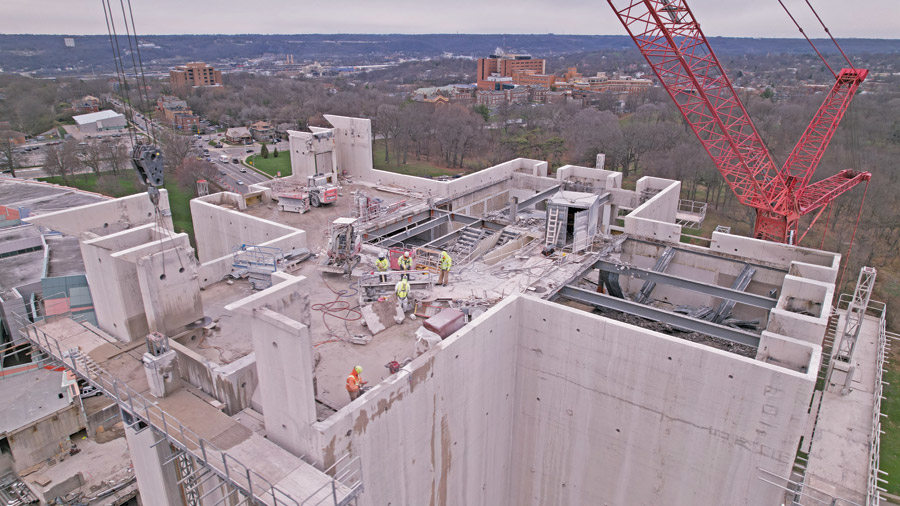
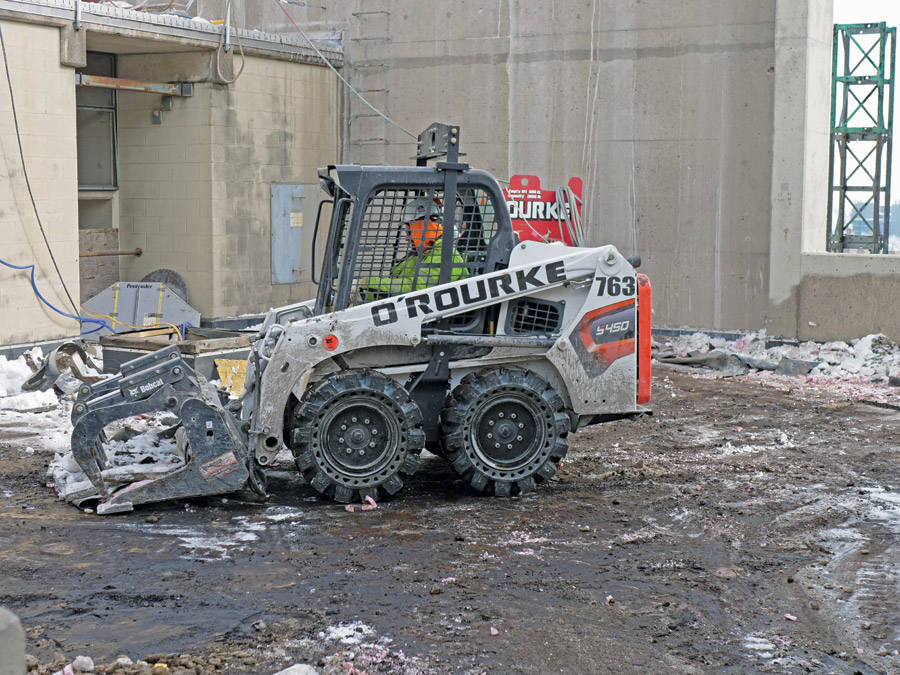
Due to aging concrete and foundations, as well as an outdated layout, the building was deemed unsuitable for renovation. Implosion was never considered. "Crosley Tower sits in the middle of an active, dense urban campus surrounded by occupied buildings, utilities, and constant pedestrian traffic," said Mike O'Rourke, president of the demolition company. "Implosion was not feasible due to risk tolerance, air overpressure, and debris range. Full mechanical demolition from the ground was also limited by the structure's height, reinforced concrete system, and lack of a safe collapse zone." The team adopted a piece-by-piece deconstruction method, saw-cutting each floor slab from the top down into manageable sections—approximately 8 ft × 10 ft to 10 ft × 12 ft—before sequentially hoisting and removing them. Removing a single slab can take 20 minutes to over an hour, with each floor requiring several days. The largest slab weighs about 16 tons. Work began in January 2026, with precise control of load paths to ensure structural stability at every stage.
To minimize disruption to campus operations, the team established highly organized work zones, dedicated transport routes, and immediate trucking plans. All subcontractors must complete a job safety analysis before each operation to identify potential hazards and determine the safest methods. Hazard analyses are conducted and recorded daily. The project encountered heavier-than-expected rebar and localized modifications from past renovations, which the team addressed through on-site verification, real-time engineering reviews, and adjustments to cutting or lifting methods. Tools used include track saws, strategic core drilling, high-capacity cranes, and, once the height was reduced, an excavator equipped with a breaker. The lifting system was custom-designed for each lift to manage weight, balance, and swing control.
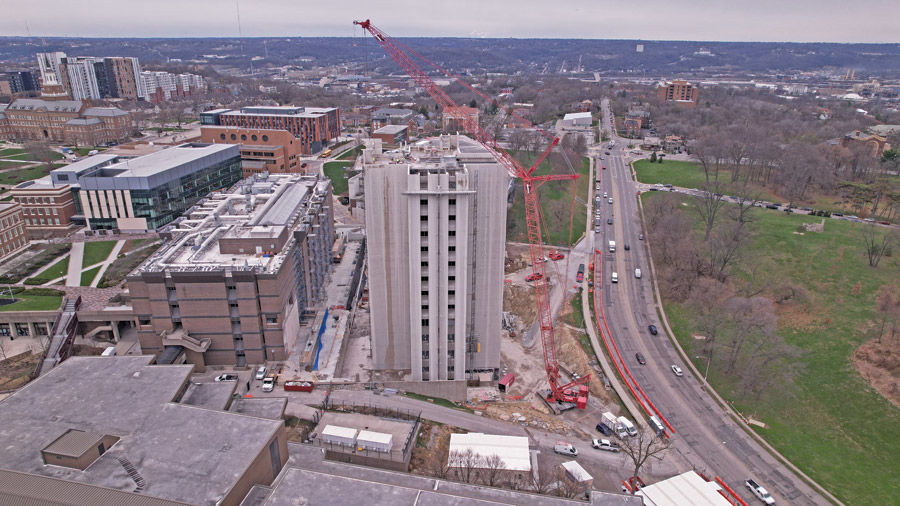
The demolition is expected to generate approximately 25,000 to 30,000 tons of concrete and 1,000 to 1,500 tons of rebar and structural steel. Most uncontaminated concrete is planned for recycling. Material separation is closely coordinated with demolition operations to maximize landfill diversion rates.
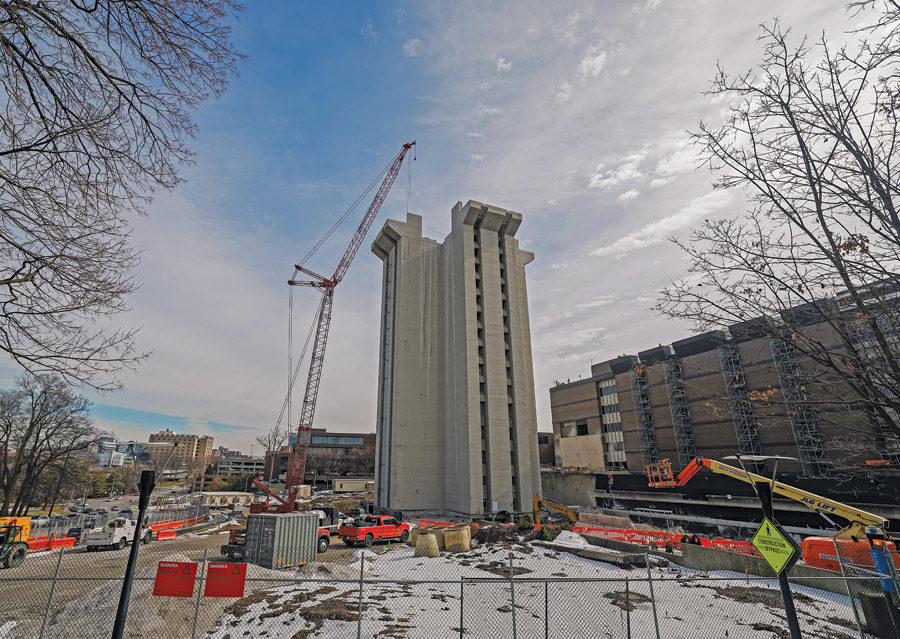
Crosley Tower was designed by architect Charles Burchard while he was at A.M. Kinney Associates in Cincinnati. During construction in 1969, workers poured concrete continuously for 18 days and nights, making it the largest continuous concrete pour in the United States since the Hoover Dam. Mike O'Rourke, president of the demolition company, is a University of Cincinnati alumnus who once studied in the tower's laboratories. In April 2026, the University of Cincinnati Board of Trustees advanced plans to build a new scientific research facility on the site to replace the tower.
Related Products


Acoustic Mineral Fiber Ceiling Tile 595x595x12mm
Shanxi Pano Trading Co., Ltd
145kV Porcelain Column Type Sulfur Hexafluoride Circuit Breaker
TBEA ZONFA Shanghai High Voltage Switchgear Co., Ltd.

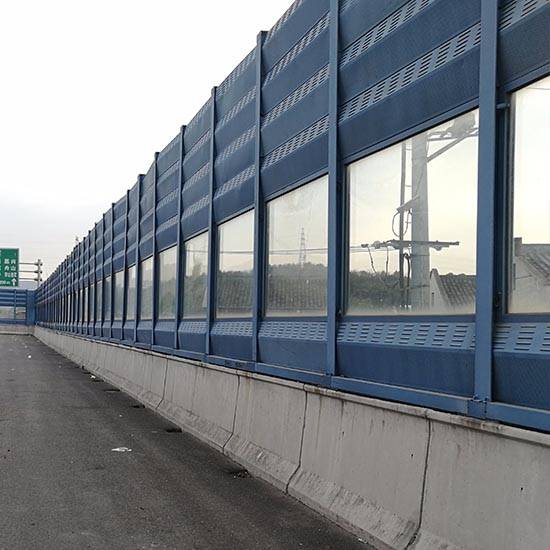
Metal sound barriers that can reduce the transmission of road noise
Hebei Jinbiao Construction Materials Tech Corp., Ltd.
Ceiling light | led Ceiling Light | LED Indoor light | LED Ceiling lighting
Queendom Group Technology Co., Ltd.
Pure Polyurethane Wall Panel BD-AEF-PIR-01
Baodu International Engineering Technology Co., Ltd.