en.Wedoany.com Reported - The total market capitalization of the world's top 50 mining companies fell sharply in the second quarter, dropping to $2.19 trillion by the end of the period, with $228 billion in value erased over three months. According to Mining.com's TOP 50 ranking, despite the industry accumulating $22 billion in profits year-to-date, the second-quarter decline nearly offset the $250 billion gain recorded in the first quarter.
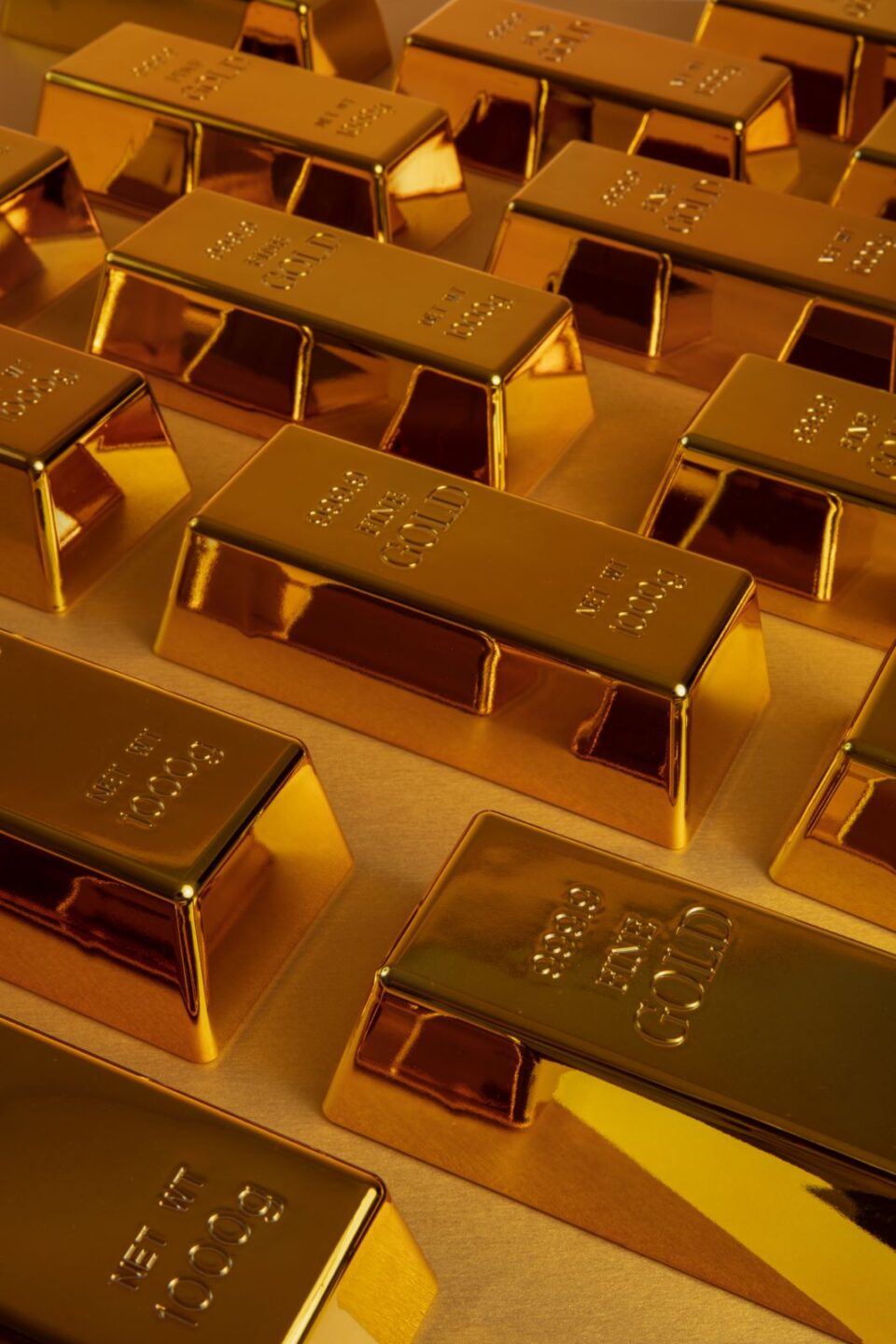
The primary reason for the market value retreat was lower gold prices. Gold prices slid from a peak of nearly $5,589 per ounce at the end of January to below $4,000 by the end of June, marking the precious metal's worst quarterly performance in 13 years and dragging the entire gold sector into widespread losses.
The 17 gold and precious metals companies in the ranking, which together account for more than a quarter of the total ranking value, were all severely impacted. Agnico Eagle lost $28 billion, equivalent to 26% of its value; the company had reached a triple-digit valuation for the first time in January. Kinross, Gold Fields, and Shandong Gold experienced similar declines, with Shandong Gold hit hardest, its market value shrinking by 40% and its ranking falling 16 places to 46th, one of the largest drops in the ranking's history. Metal streaming and royalty companies, traditionally seen as hedges against gold volatility, were also not spared, with Wheaton, Franco-Nevada, and Royal Gold all falling between 18% and 23%. The world's largest gold mining company, Newmont, saw a relatively modest decline of 16%, allowing it to surpass Zijin Mining and move up to fourth place overall. The company's Red Chris underground expansion project in British Columbia received regulatory approval in June.
Meanwhile, traditional diversified miners staged a significant rebound in the quarter. BHP's market value increased by $28 billion, or 16%, to $209 billion, easily surpassing the $200 billion mark it first broke in 2026. Rio Tinto returned to second place globally with a market value of $162 billion. Anglo American jumped four places to 13th, up 12%, driven by its proposed merger with Teck Resources. The deal has received shareholder approval and entered the settlement phase, with Teck sending share exchange documents at the end of June. Final approval is expected no later than March 2027, pending regulatory support from China. The combined Teck-Anglo American entity has a nominal valuation of approximately $82 billion.
Copper prices experienced sharp volatility in the second quarter. COMEX copper prices retreated after hitting an all-time high of $6.72 per pound in mid-May. The club of six companies with market values exceeding $100 billion, which emerged in January, lasted only one quarter, collapsing after Agnico's exit. Zijin Mining barely held onto its $100 billion valuation after a 20% decline, falling slightly below $100 billion. Glencore, the diversified miner with the largest copper exposure, briefly approached $100 billion in early June before dropping 20% to around $80 billion by the end of the quarter, ranking seventh. First Quantum Minerals rose 10%, achieving the largest ranking jump, moving up 10 places to 31st, aided by a government audit finding that its closed Cobre Panama copper mine had an 88% environmental compliance rate, an assessment that removed a key obstacle to restart. Southern Copper held third place, while Teck rose 13%.
Uranium producers demonstrated new stability. Cameco ranked 17th, and Kazatomprom placed 37th, with the latter becoming the year's winner with a 32% gain. Both companies follow long-term contract cycles rather than spot prices, which have fallen from January highs to around $80 per pound. The rare earth elements sector showed divergence. Despite a rebound in the industry and billions of dollars in strategic investments flowing into Western magnet supply chains, industry giants could not maintain their positions in the top 50. MP Materials, which entered the ranking at 40th in 2025 following a partnership with the Pentagon, has since seen its market value shrink by about half to roughly $9 billion, now well below the threshold. Australia's Lynas hovers around $12 billion, also below the threshold. Northern Rare Earth remains the sole representative of the industry, ranking 28th with a market value of $26 billion.
Lithium stock prices were clearly decoupled from commodity fundamentals in the quarter. Battery-grade lithium carbonate prices nearly doubled between December and the end of January, then remained elevated near $22,400 per tonne at the end of the quarter, up about a third year-to-date. Despite optimistic demand growth forecasts for 2026, the three survivors from the industry's 2022 peak—SQM, Ganfeng Lithium, and Albemarle—lost between 13% and 25% of their market value in the second quarter. Since the industry's peak, six lithium companies collectively reached $120 billion in 2022, while currently, just three representatives barely total $55 billion.
In terms of ranking changes, KGHM returned to 42nd place after exiting the ranking at the end of 2024, rising 21% in the second quarter and announcing an $8.55 billion investment plan, ending an 18-month absence. Hindustan Zinc made its debut at 30th place after its parent company Vedanta completed a demerger in the quarter, entering the ranking as a single entity. The threshold for entering the top 50 fell from $18 billion three months ago to $13 billion. Indonesia's Amman Minerals, the first company from the country to enter the ranking, saw its market value shrink by about three-quarters from its peak, dropping 35% in the second quarter alone, ranking last at 50th.