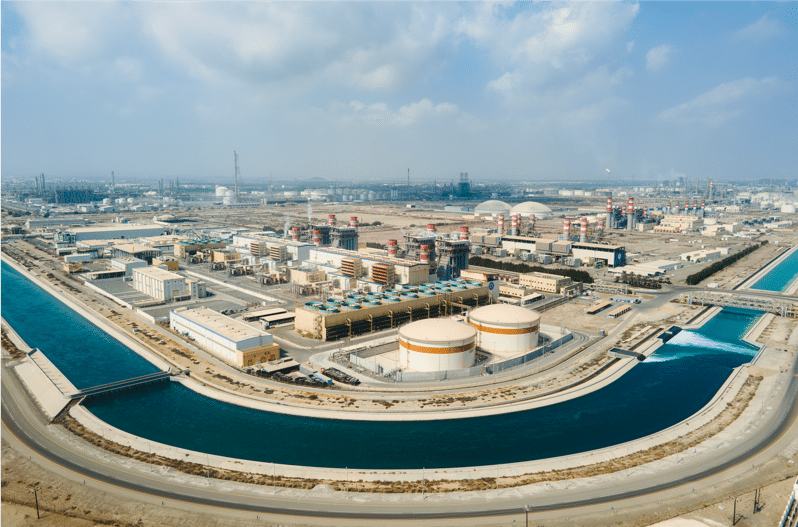
en.Wedoany.com Reported - Obere Donau Kraftwerke AG (ODK) has completed a €5.6 million project at the Faimingen weir on the Danube, combining upgraded flood protection measures with ecological improvements, including a fish bypass channel approximately 470 meters long.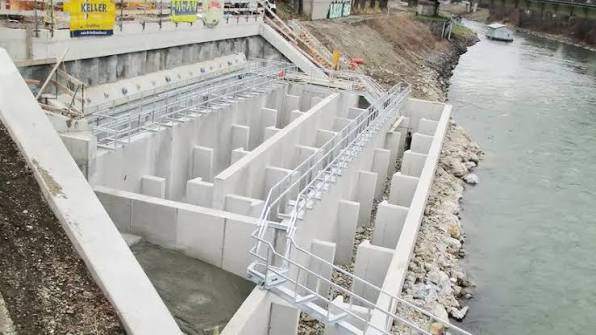
The project reinforced approximately 5 kilometers of existing flood protection dikes and constructed a near-natural bypass channel to restore fish migration past the weir. Sections of the riverbank were reshaped to create new habitats, while access to the Danube Cycle Path was improved. The project was officially inaugurated on July 13, with representatives from government, municipalities, regulatory authorities, fisheries, and conservation organizations in attendance.
Of the total investment, approximately €4 million was allocated for the fish passage, with the remaining €1.6 million used to reinforce the flood protection dikes. The dikes were strengthened using a gap-type soil replacement method, where sections were excavated and backfilled with permeable gravel to enhance stability and flood resistance.
Ecological improvement measures included creating shallow shoreline areas using gravel, stones, and deadwood, as well as flow-deflection structures and small islands, aimed at providing habitats for fish, amphibians, and insects. The new fish passage bypasses the weir over a length of about 470 meters, allowing native species including huchen, nase, barbel, and grayling to move between upstream and downstream sections of the river. The passage features shallow gravel areas, varied flow conditions, and quieter zones to support fish migration as well as spawning and feeding habitats.
Dr. Jörg Franke, Technical Director of ODK, stated that the new fish passage brings a portion of natural river dynamics back to the Danube, while the dam renovation implements current technical requirements and makes a significant contribution to regional flood protection. The new riverbank structures will also continuously improve living conditions for numerous plant and animal species along the Danube. Dr. Franke noted that the measures at Faimingen demonstrate how hydropower, flood protection, and ecological development can be effectively combined. LEW, which operates power plants on behalf of ODK, was responsible for the project's planning and construction, coordinating with local authorities, fisheries organizations, and conservation groups.
Project manager Manuel Jurtz pointed out that a project of this scale can only succeed through the concerted efforts of many. Close cooperation with Donautal-Aktiv, fisheries and nature conservation organizations, as well as local municipalities, not only created a functioning facility but also sustainably further developed the weir, bringing tangible added value to nature and the region.
The fish passage is part of broader efforts to improve ecological connectivity along the Danube under the EU Water Framework Directive. LEW has previously completed similar projects at hydropower plants on the Iller, Günz, and Wertach rivers. ODK stated that the fish passage at the Gundelfingen power plant has already been completed, with further projects planned at the Leipheim, Günzburg, Offingen, and Oberelchingen weirs.
The Faimingen hydropower plant is one of six Danube power plants operated by ODK. According to the company, these plants collectively generate approximately 280 million kilowatt-hours of renewable electricity annually, enough to supply over 80,000 households.