en.Wedoany.com Reported - Indian authorities plan to establish a freight transfer system in the National Capital Region (NCR) surrounding Delhi, transferring cargo from long-haul diesel trucks to electric vehicles before entering Delhi during the winter pollution season, aiming to reduce freight-related emissions and ensure cargo transportation is not affected by air quality restrictions.
This initiative seeks to balance air quality goals with supply chain reliability by redesigning how goods enter urban warehouses and distribution centers. According to the plan, approximately five multimodal logistics hubs will be built at key NCR locations such as Sonipat, Faridabad, Ghaziabad, Greater Noida, and Gurugram. These hubs will serve as freight transfer nodes where diesel trucks stop, and cargo is transferred to cleaner vehicles for last-mile delivery into Delhi.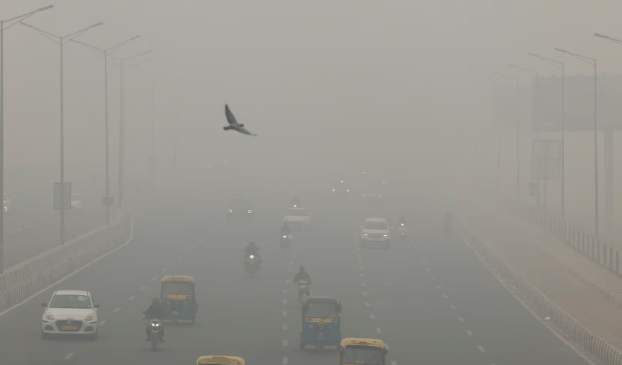
Specifically, long-haul diesel vehicles will unload or exchange trailers at these hubs, after which electric trucks will transport the cargo to urban warehouses, distribution centers, or end customers. The proposed hubs will be integrated into the larger National Highway for Electric Vehicles (NHEV) public-private partnership initiative to support electric vehicle infrastructure and logistics.
The long-term goal of this system is to keep diesel freight vehicles largely outside the capital's boundaries, with electric vehicles and other low-emission options managing urban freight operations. This model is also expected to play a role during severe pollution periods and in winter strategies.
Delhi has notified a winter pollution action plan that automatically takes effect annually from November 1 to February 28, unless stricter measures under the Graded Response Action Plan are activated. Government assessments over the past three years show that Delhi's pollution levels typically worsen between November and mid-February, with the median Air Quality Index falling into the "very poor" range and peaking in the "severe" category. The proposed freight hubs aim to supplement existing measures by specifically targeting cargo transport emissions during this period.
Under the fourth stage of the Graded Response Action Plan, entry of medium and heavy diesel trucks into Delhi is restricted except for essential supplies or exempted categories. These restrictions often cause trucks to queue outside the city until the restrictions are lifted, leading to delivery delays and supply chain disruptions. Although heavy trucks account for a relatively small proportion of total vehicles on Delhi's roads, they are estimated to contribute about 23% of PM2.5 emissions from the transport sector. Their impact is higher at night when freight traffic is most intensive.
The current winter pollution action plan already includes measures such as year-round checks of Pollution Under Control (PUC) certificates at fuel stations, restricting non-BS VI vehicles registered outside Delhi from entering Delhi during winter, staggered office hours, and work-from-home recommendations. It also requires seasonal control of construction activities at large building sites and the use of anti-smog guns or misting systems. If the freight transfer system is implemented, cargo transportation can continue while reducing the number of diesel trucks within Delhi during high pollution periods.