Triple Nation Asian Highway for India, Myanmar, Thailand
Wedoany.com Report-Oct. 25, The India-Myanmar-Thailand (IMT) Trilateral Highway project is scheduled for completion within the next three years, establishing a vital link among India, Myanmar, and Thailand. This infrastructure initiative will enhance trade and transportation networks, supporting India's Act East program and facilitating the implementation of the ASEAN-India Free Trade Agreement. The highway, spanning approximately 1,360 kilometers, connects Moreh in India's Manipur state through Myanmar to Mae Sot in Thailand, promoting regional economic integration.
A highway connection will improve transport between India, Myanmar and Thailand
Despite ongoing challenges in Myanmar, construction continues on key sections. Efforts are focused on the 121-kilometer stretch between Kalewa and Yagyi, as well as the development of 69 bridges along the 150-kilometer route linking Tamu, Kyigone, and Kalewa. These segments are critical for ensuring seamless connectivity across the border regions. In India, the Ministry of Development of the North Eastern Region (DoNER) oversees the domestic portions, coordinating with counterparts in Myanmar and Thailand to maintain progress.
The project represents a collaborative endeavor among the three nations, with each contributing to specific alignments. India's segment includes upgrading existing roads and bridges to four-lane standards, while Thailand has advanced its portions near Mae Sot. In Myanmar, work persists on challenging terrains, including the Yar Gyi road section, to bridge gaps in the overall route. This four-lane highway will not only streamline freight and passenger movement but also foster opportunities in tourism, education, and healthcare across the connected areas.
By reducing travel distances and costs, the IMT Highway is poised to stimulate cross-border commerce, potentially generating substantial economic benefits. It aligns with broader goals of extending connectivity to neighboring ASEAN countries like Laos, Cambodia, and Vietnam, supporting initiatives such as the Bay of Bengal Initiative for Multi-Sectoral Technical and Economic Cooperation (BIMSTEC). Bangladesh has also expressed interest in linking to the network, further expanding its reach. Negotiations for a Trilateral Motor Vehicles Agreement are underway to enable efficient vehicular traffic, including protocols for cargo and passengers.
The initiative underscores a commitment to sustainable development in South and Southeast Asia. Upon completion, it will provide an alternative to maritime routes, cutting transportation times and enhancing supply chain reliability. For India's northeastern states, the highway offers improved access to Southeast Asian markets, boosting local industries and employment. Overall, it strengthens diplomatic ties and cultural exchanges, contributing to long-term stability and prosperity in the region.
This project exemplifies how infrastructure can drive mutual growth. As work advances on bridges and roadways, stakeholders emphasize coordinated efforts to meet the timeline. The IMT Trilateral Highway stands as a foundation for deeper partnerships, ensuring that enhanced mobility benefits communities along its path while advancing shared economic objectives.
Related Products
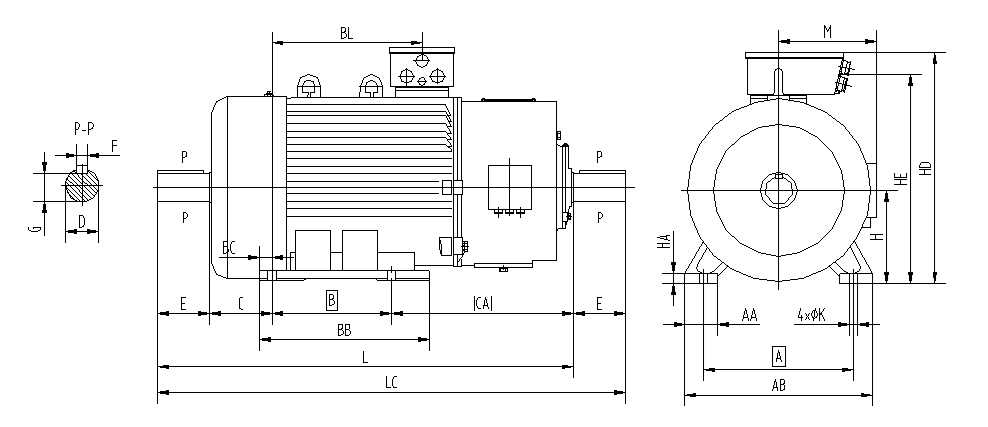

YZR (450-560) Series Wound Rotor Three-Phase Asynchronous Motors for Crane and Metallurgical Applications
Jiamusi Electric Machine Co., Ltd.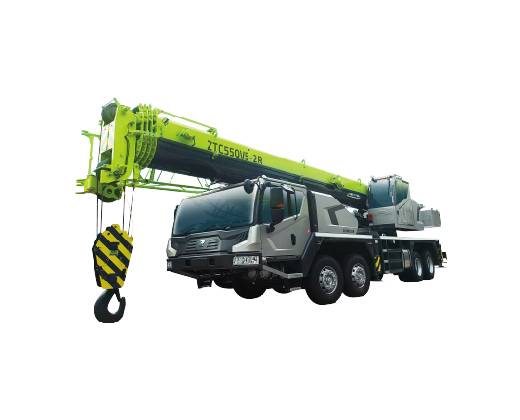

West China Xiamen Hospital of Sichuan University
Wuhan Huakang Century Clean Technology Co., Ltd.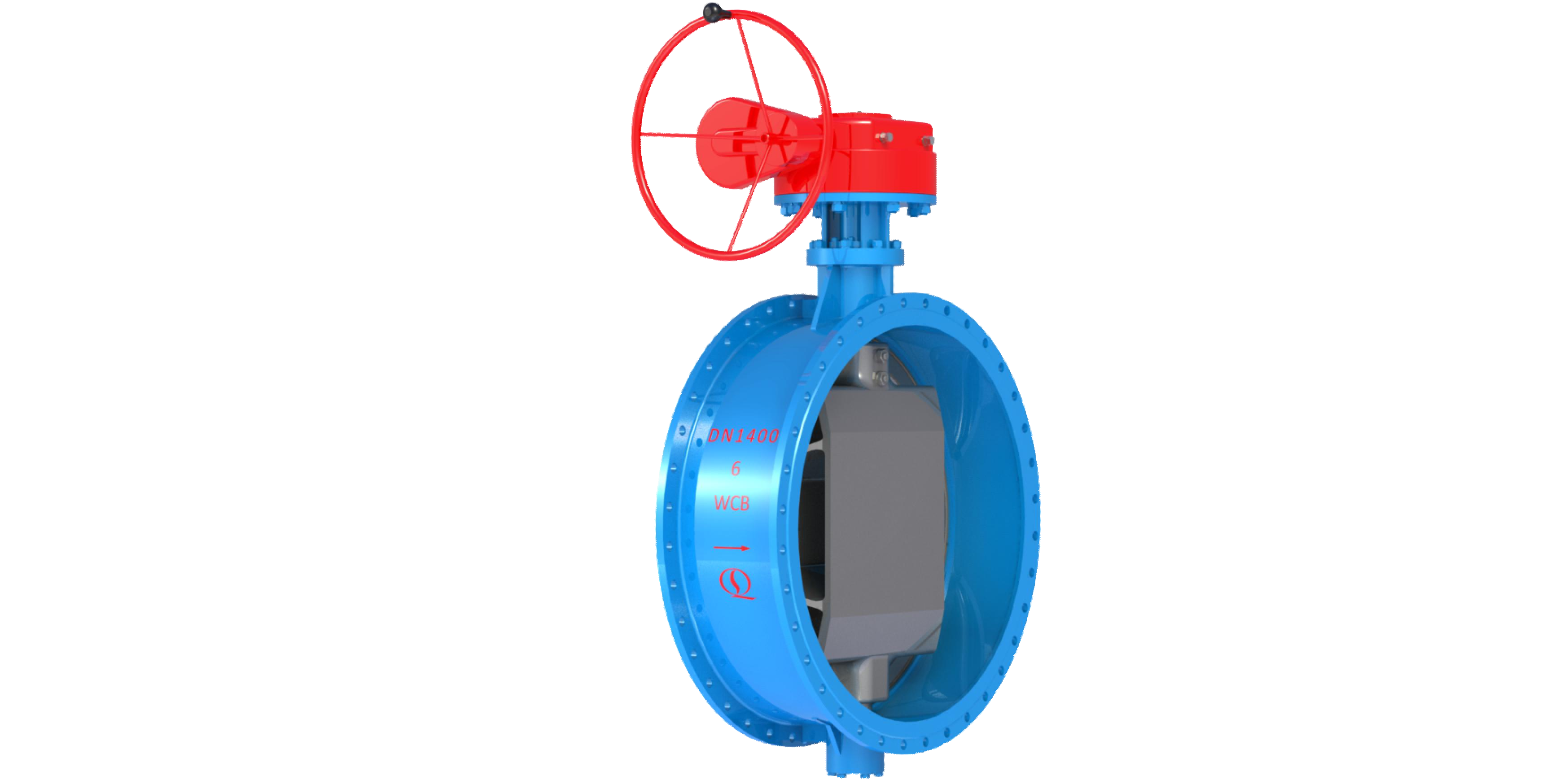
Bidirectional Metal Hard Sealed Seawater Butterfly Valve
Henan Quanshun Flow Control Science & Technology Co., Ltd.
Industrial and Commercial Point-Type Gas Detector
Jinan Benan Technology Development Co., Ltd.

ERW Welded Pipe (Black Pipe and Hot-dip Galvanized Steel Pipe)
Handan Zhengda Steel Pipe Co., Ltd.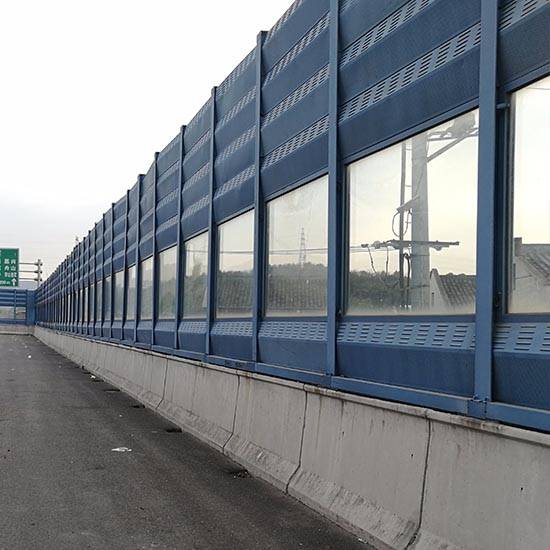
Metal sound barriers that can reduce the transmission of road noise
Hebei Jinbiao Construction Materials Tech Corp., Ltd.