From Lithium Dominance to Multiple Chemistries: Electrochemical Storage Technologies Are Becoming Layered
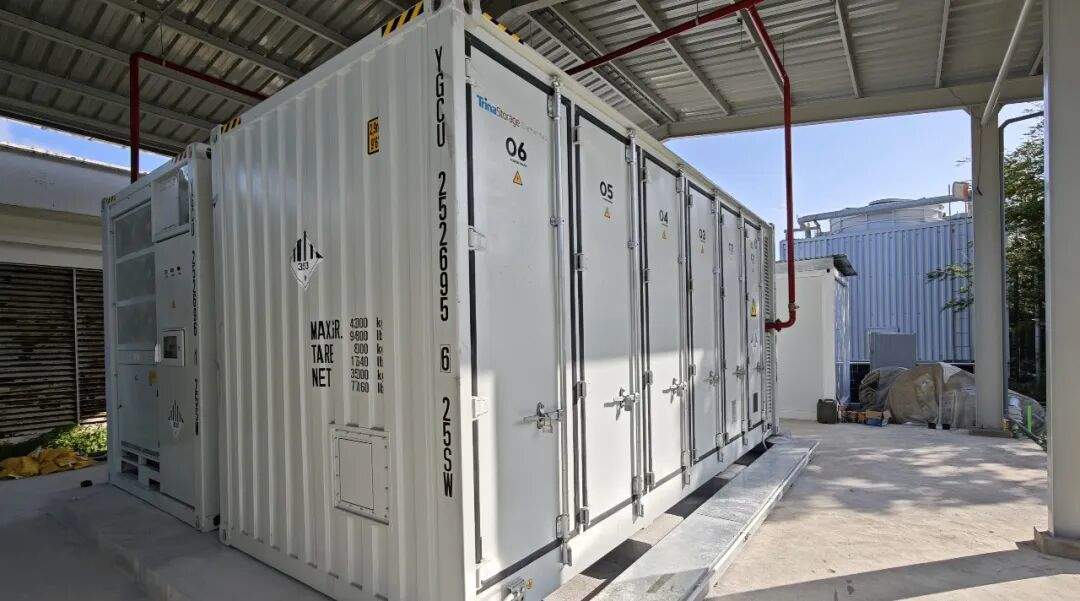
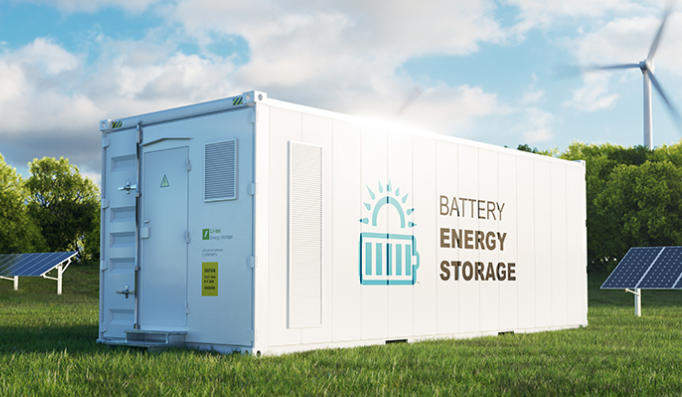
Electrochemical energy storage is not a single technology. It is a family of technologies that store and release energy through electrochemical reactions. Today, the mainstream technology is lithium-ion batteries, especially lithium iron phosphate. However, as storage applications expand from two and four hours to six, eight, and even longer durations, no single chemistry can cover all scenarios. Electrochemical storage technologies will become increasingly layered.
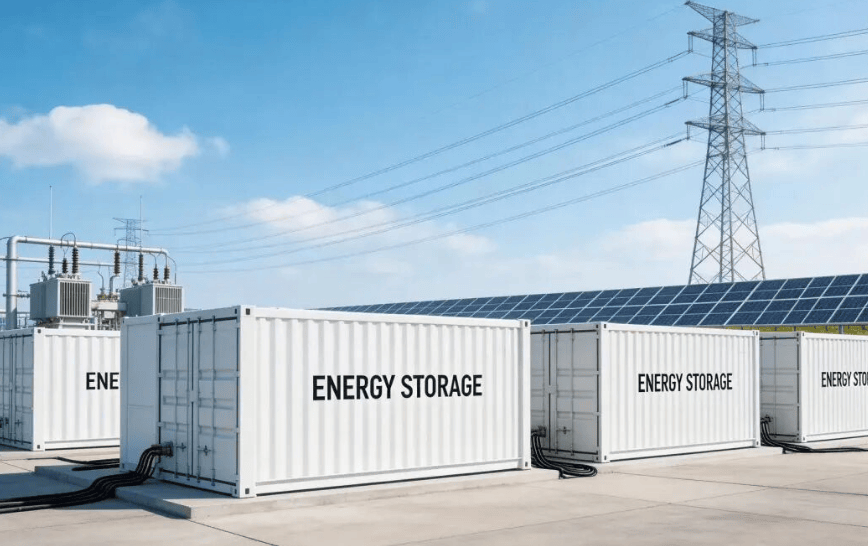
Lithium iron phosphate will remain the mainstream technology in the coming years. Its advantages include relatively low cost, strong safety performance, long cycle life, and a mature supply chain. It is particularly suitable for grid-side storage, commercial and industrial systems, and renewable co-located storage. The International Energy Agency notes that LFP batteries now account for around 90% of global battery storage deployments, meaning LFP has become the core technology route not only in China but also in the global storage market.
Sodium-ion batteries are one of the most important alternative pathways to watch. Sodium is abundant, and sodium-ion technology has potential advantages in material cost and supply security. It is suitable for storage applications that do not require very high energy density but care about cost, safety, and low-temperature performance. The IEA commented in 2026 that sodium-ion batteries are on course for commercial success and that 2026 could be pivotal for scaling; however, highly optimized low-cost lithium-ion batteries, especially the latest LFP technologies, still hold advantages in energy density, supply-chain maturity, and cost.
Flow batteries are another important electrochemical storage pathway. They store energy through active materials in electrolytes, allowing power and capacity to be designed relatively independently. This makes them suitable for long-duration storage, frequent cycling, and high-safety applications. Their limitations are higher system complexity, higher upfront cost, and lower energy density, making them better suited for large stationary storage rather than compact high-density applications.
The future technology landscape will likely not be about one chemistry replacing another. It will be about matching each chemistry to the right scenario. LFP will serve the large mainstream market. Sodium-ion batteries will enter cost-sensitive and resource-security-sensitive markets. Flow batteries will serve long-duration and high-safety applications. Solid-state batteries may first develop in high-energy-density applications before gradually extending into selected storage markets.
For companies, technology selection should not be based only on cell price. It should be based on lifecycle cost, including cycle life, capacity degradation, thermal management, fire protection, maintenance, land use, recycling value, and system efficiency. Future technology selection in storage projects will increasingly resemble power-system planning rather than simple battery procurement.
Related Products

Rated Voltage 6-35kV Cross-linked Polyethylene Insulated Power Cable
TONGDING INTERCONNECTION INFORMATION CO., LTD.
Single-Phase Automatic Voltage Regulator(AVR)
Shaanxi Sefon Electrical Equipment Co.,Ltd.
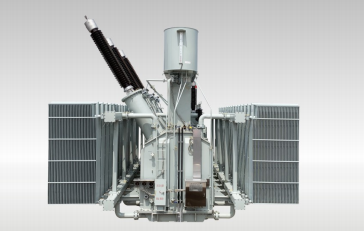
220kV and Below Voltage Level Energy-saving Oil-immersed Power Transformers
FuZhou TianYu Electric Co., Ltd.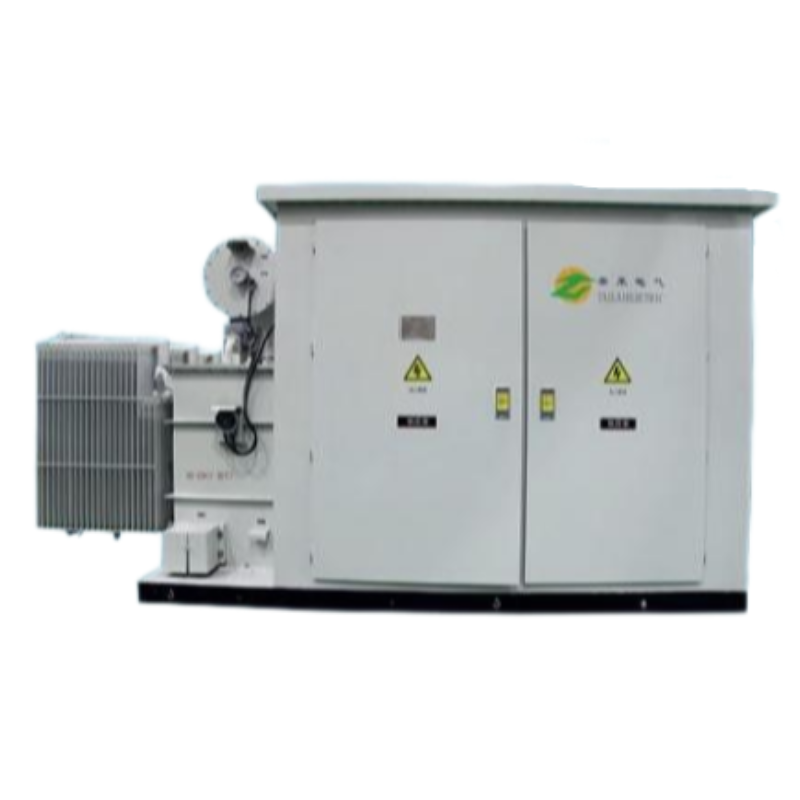

714CD Series C-Band Weather Radar
Chengdu Zhongdian Jinjiang Information Industry Co., Ltd.